
 Войти
Войти


Decapower Курированная информация для профессионалов, хоббистов и педагогов.
Оставайтесь в курсе последней информации о новых технологиях продукции, инновациях и многом другом от промышленности сварочных машин.






Можно ли разрезать медь плазмой? Чистая резка цветных сплавов.
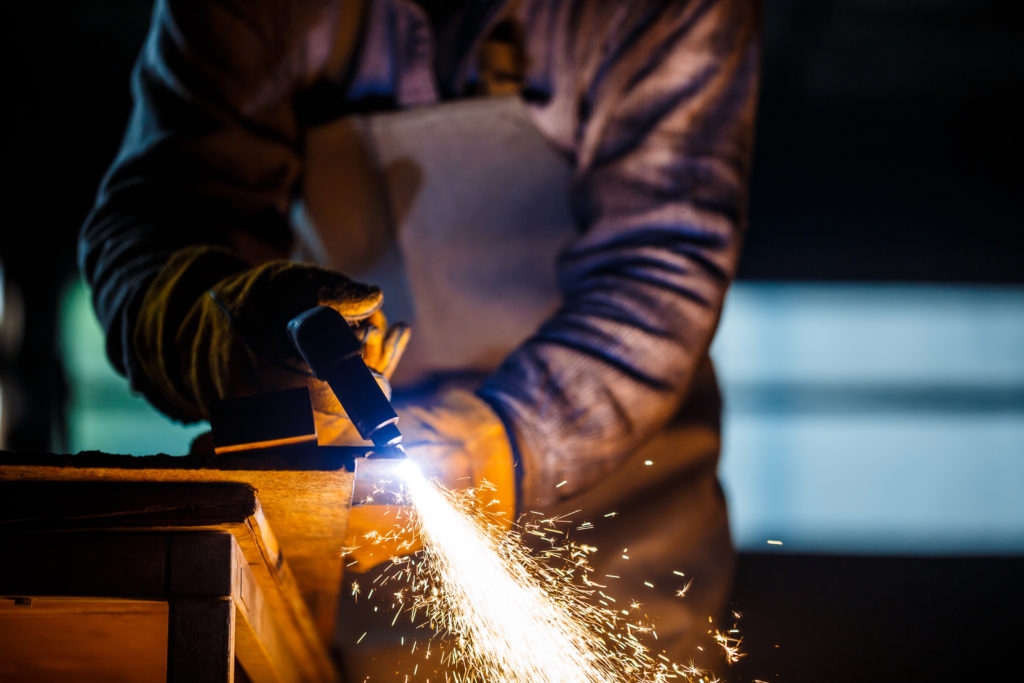
Производители металлоконструкций хорошо знакомы с этой проблемой. Они начинают использовать горелку на толстом слое меди или алюминия морского класса и часто получают деформированные края, толстый слой окалины и быстро изнашивающиеся расходные материалы. Цветные металлы реагируют на тепло и энергию иначе, чем углеродистая сталь. Поэтому стандартные настройки оказываются неэффективными. Декапоуэр сборки многопроцессные промышленные системы Эти системы сочетают в себе технологии ручной дуговой сварки (SMAW), механической дуговой сварки (GMAW), дуговой сварки трением с перемешиванием (GTAW) и мощной плазменной резки. Они решают распространенные проблемы в цехах. Как производитель, ценящий практичность и производительность, мы создаем инструменты, обеспечивающие чистые и воспроизводимые результаты при обработке сложных материалов.
Понимание сложностей плазменной резки цветных сплавов
Для качественной резки меди и алюминия необходимо знать, как эти металлы реагируют на нагрев и электрическую дугу.
Высокая теплопроводность и теплоотвод
- Быстрое рассеивание тепла: медь передает тепло почти в десять раз быстрее, чем низкоуглеродистая сталь. Энергия дуги распространяется по всей детали, а не концентрируется под горелкой.
- Риски деформации: Тепло распространяется быстро, поэтому операторы часто повышают уровень мощности. В результате тонкие алюминиевые листы могут гнуться и скручиваться.
- Износ расходных материалов: При распространении тепла плазменная дуга с трудом обеспечивает чистое пробитие. Поэтому сопла и электроды изнашиваются быстрее обычного.
Высокая отражательная способность и образование шлака
Поверхность этих металлов создает дополнительные трудности при удалении расплавленного материала.
- Низкое поглощение дуги: Алюминий отражает много света и тепла, поэтому плазменный столб должен оставаться плотно и стабильно расположенным, чтобы правильно начать резку.
- Вязкий шлак: Расплавленная медь быстро остывает после выхода из разреза, оставляя на нижнем крае толстый, липкий окалину, требующую дополнительной шлифовки.
- Образование оксидов: На поверхности алюминия образуется твердый оксидный слой с гораздо более высокой температурой плавления, чем у нижележащего металла. Это может привести к нестабильности дуги при неправильном обращении.
Передовые решения Decapower для резки цветных металлов
Компания Decapower сочетает в себе передовые инверторные технологии и интеллектуальные системы управления, чтобы преодолеть естественные сложности, связанные с этими металлами.
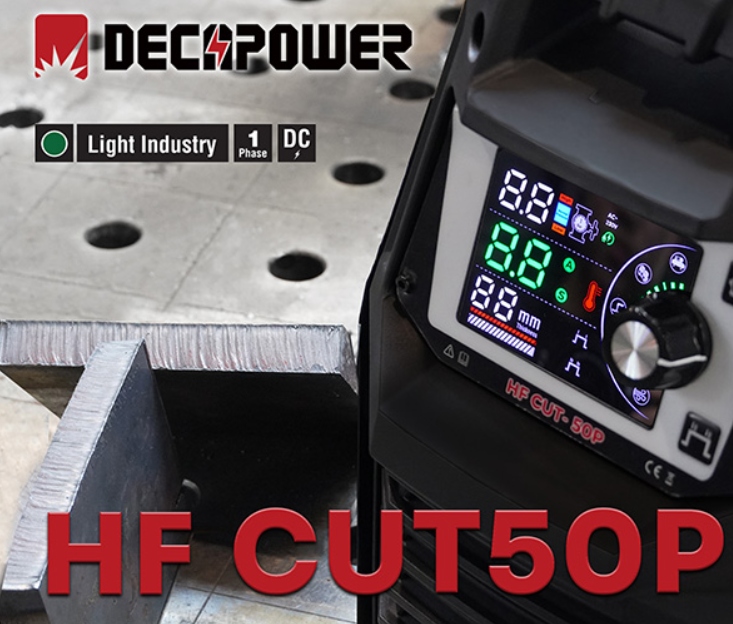
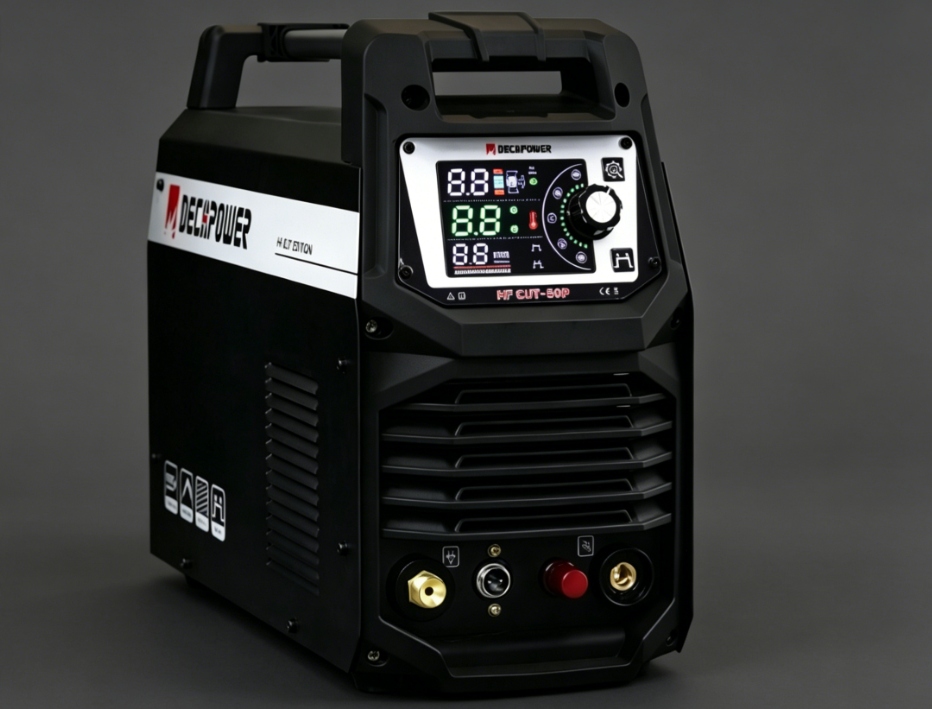
Профессиональный плазменный резак HF CUT-50P
Этот высокочастотный станок предназначен для обработки материалов с высокой проводимостью в реальных производственных условиях.
- Бесконтактное пилотирование с нанесением удара по дуге: HF CUT-50PЗапуск пилотной дуги происходит без касания заготовки. Это позволяет операторам резать окисленный алюминий или медную сетку без сбоев при запуске.
- Концентрированная плотность дуги: благодаря использованию высококачественной инверторной технологии IGBT создается узкий плазменный столб, который обеспечивает фокусировку тепла и уменьшает деформацию тонких сплавов.
- Оптимизированное охлаждение после резки: система автоматически подает газ после резки для охлаждения горелки. Это защищает расходные материалы от дополнительного тепла, отражаемого медью.
Таблица технических характеристик
В таблице ниже показаны основные отличия наших станков для резки.
| Технические характеристики | HFCUT-40P | HFCUT-50P |
| Напряжение подключения (50/60 Гц) | 1~, 230V (±10%) | 1~, 230V (±10%) |
| Номинальная мощность (кВА) | 4,8 кВА | 6 кВА |
| Ток питания (I1max / I1eff) | 28.7A / 15.7A | 36А / 16А |
| Соединительный кабель | 3G 2,5 мм² медный сердечник (с вилкой) | 3G 2,5 мм² медный сердечник (с вилкой) |
| Диапазон выходного напряжения CUT (ток/вольт при 40 °C) | 20A/88V – 40A/96V | 20A/88V – 50A/100V |
| Рабочий цикл (при 40°C, 230 В) | 30% = 40A, 100% = 20A | 20% = 50A, 100% = 20A |
| Напряжение холостого хода | 296В | 296В |
| Дуговое зажигание | Бесконтактный пилот, удар по дуге дуги | Бесконтактный пилот, удар по дуге дуги |
| Максимальная толщина резки | 16 мм | 22 мм |
Рекомендации по чистой резке меди и алюминия
Для получения ровных кромок с минимальным количеством шлака необходим тщательный контроль скорости, мощности и потока газа.
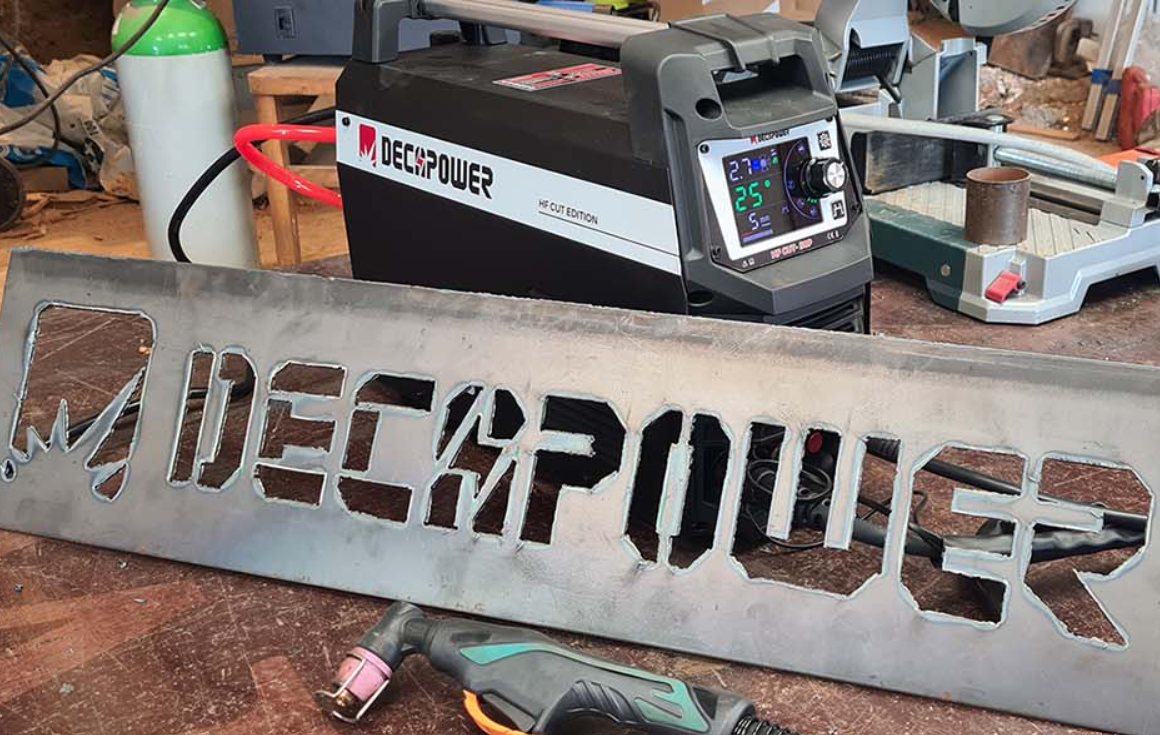
Оптимизация скорости и силы тока в пути
Наибольшее значение имеет правильный баланс между силой тока и движением горелки.
- Высокая скорость перемещения: перемещайте горелку на 30% быстрее при резке алюминия по сравнению со сталью. Это предотвращает расширение дуги и закругление верхнего края.
- Согласование силы тока: Использование HF CUT-50P на максимальной выходной мощности 50 А позволяет мгновенно преодолеть порог высокой теплоотдачи цветных сплавов.
- Контроль расстояния до сопла: Поддерживайте постоянный, небольшой зазор между соплом и материалом. Это уменьшает смещение дуги и обеспечивает более ровную кромку реза.
Выбор правильной комбинации защитных газов
Выбор газа влияет на эффективность резки и удаления расплавленного металла дугой.
- Сжатый воздух: Этот вариант хорошо подходит для повседневных работ в мастерской. HF CUT-50P эффективно работает на стандартном сжатом воздухе, обеспечивая достаточное пневматическое давление для чистого выдувания расплавленного алюминия с пластин толщиной до 22 мм для разделения.
- Азот в качестве газа: Для более чистой промышленной обработки азот в качестве плазменного газа уменьшает окисление меди и подготавливает кромки к сварке.
- Аргоново-водородные смеси: Используйте эту смесь для толстых медных деталей. Она обеспечивает дополнительный нагрев, необходимый для эффективной работы с плотными металлами.
Соответствие требованиям безопасности и индивидуальные опции
Все наши машины проходят тщательное тестирование, чтобы соответствовать жестким промышленным требованиям по всему миру.
- Строгое соответствие стандартам: производство осуществляется в соответствии со стандартами CE, поэтому каждая единица продукции соответствует региональным правилам безопасности, так как сварщик имеет сертификат CE для Европы.
- Конструкция, обеспечивающая электробезопасность: Сварочный аппарат HF CUT-50P оснащен надежной защитой от перегрузки по току и перенапряжения, что соответствует стандартам ЕС.
- Электромагнитная совместимость: Каждый блок функционирует как сварочный аппарат, сертифицированный по стандартам LVD/EMC, с надлежащей защитой от помех, предотвращающей взаимодействие с другим оборудованием цеха.
- Разработка индивидуальной инженерной архитектуры: Мы предлагаем изготовление корпусов нестандартных цветов, регулировку рабочего цикла и настройку кабельной инфраструктуры для крупных дистрибьюторов и специальных проектов.
Вывод
Чистая резка меди и алюминия становится намного проще при наличии подходящего оборудования и настроек. Компания Decapower объединяет свой опыт в области сварки и плазменной резки, чтобы помочь предприятиям работать более эффективно.
- Для глобальных дистрибьюторов промышленного оборудования: Сотрудничайте с нами, чтобы получать цены напрямую от производителя, надежные поставки и индивидуальные OEM/ODM-линии, соответствующие правилам вашего рынка.
- Для профессиональных мастерских по изготовлению металлоконструкций: добавьте наши мощные станки, чтобы сократить объем отделочных работ и повысить ежедневную производительность.
- Для небольших специализированных подрядчиков: используйте наши стабильные сварочные дуги и сертифицированное оборудование для выполнения детальных архитектурных работ с использованием меди или проектов по монтажу морского алюминиевого оборудования.
Контакты Декапоуэр сегодня Обращайтесь по адресу info@decapowerwelder.com. Получите решение, соответствующее вашим потребностям, или обсудите изготовление продукции на заказ под вашу марку.
Часто задаваемые вопросы
В: Почему расходные материалы плазменного резака изнашиваются гораздо быстрее при резке меди?
А: Медь отражает больше тепла обратно в сторону горелки, что требует более высоких настроек мощности. Дополнительное тепло, в свою очередь, ускоряет износ гафниевой вставки в сопле.
В: Безопасно ли использовать стандартный сжатый воздух для плазменной резки алюминиевых сплавов морского класса?
А: Да, сжатый воздух без проблем справляется с большинством стандартных задач. Однако он все же может вызывать легкое окисление поверхности, поэтому азот часто обеспечивает более чистые результаты, когда качество подготовки сварного шва имеет первостепенное значение.
В: Каким образом бесконтактная система пилотной дуги предотвращает задержки при поиске неисправностей на окисленных пластинах из цветных металлов?
А: Система создает дугу через внутреннюю цепь и исключает необходимость касания материала. Такая конструкция обеспечивает стабильную резку даже при наличии на плитах толстых слоев окалины, грязи или оксидов.
В: Может ли сварочный аппарат или плазменный резак, сертифицированные по стандартам LVD/EMC, предотвратить помехи от автоматизированного стола ЧПУ?
А: Да. Сертифицированные станки снижают уровень высокочастотного излучения. Таким образом, они не создают помех для расположенных рядом цифровых элементов управления, датчиков или компьютеров, находящихся в мастерской.