
 تسجيل الدخول


Decapower معلومات مخصصة للمهنيين والهواة والمعلمين.
ابقى على علم بأحدث المعلومات حول تكنولوجيا المنتجات الجديدة والابتكارات وأكثر من ذلك من صناعة آلات اللحام.







هل يمكن للبلازما قطع النحاس؟ تقطيع السبائك غير الحديدية بدقة
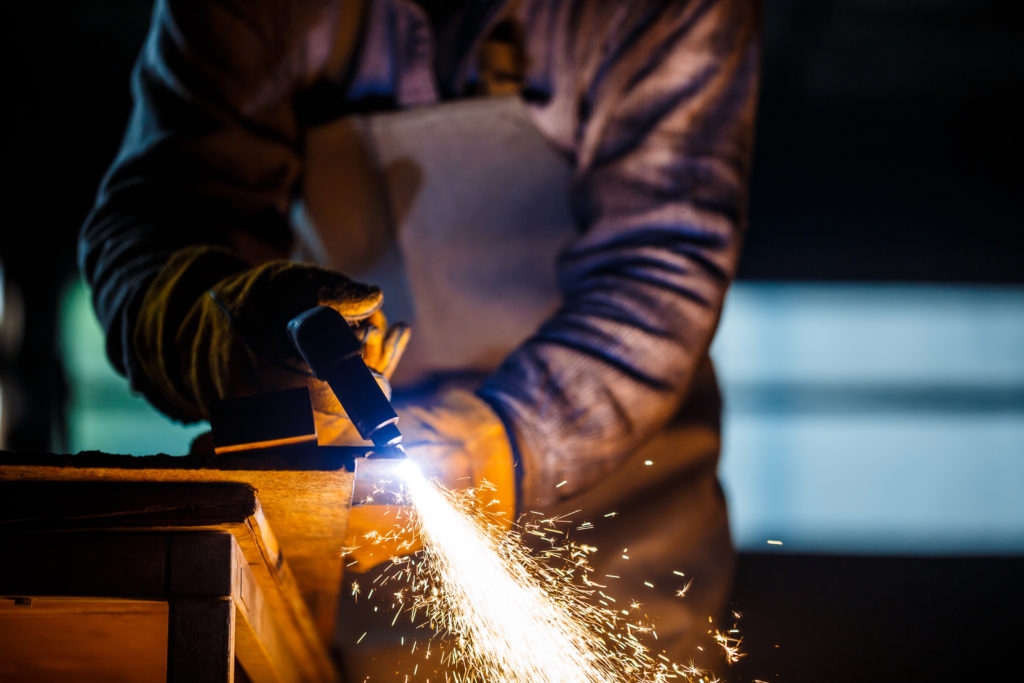
يدرك المصنّعون هذه المشكلة جيداً. فهم يبدأون عملية اللحام على النحاس السميك أو الألومنيوم البحري، وغالباً ما ينتهي بهم الأمر بحواف ملتوية، ورواسب كثيفة، ومواد استهلاكية تتلف بسرعة. تتعامل المعادن غير الحديدية مع الحرارة والطاقة بطرق تختلف عن الفولاذ الكربوني. لذا، فإن الإعدادات القياسية غير كافية. ديكابوير يبني الأنظمة الصناعية متعددة العمليات تجمع هذه الأنظمة بين تقنيات اللحام بالقوس المعدني المحمي (SMAW) واللحام بالقوس المعدني المحمي بالغاز (GMAW) واللحام بالقوس التنغستني المحمي بالغاز (GTAW) والقطع بالبلازما عالي الأداء. تعالج هذه الأنظمة مشاكل ورش العمل الشائعة. وبصفتنا شركة مصنعة تُولي أهمية كبيرة للأداء العملي، فإننا نصنع أدوات تُحقق نتائج نظيفة ومتكررة حتى مع المواد الصعبة.
فهم تحديات قطع السبائك غير الحديدية بالبلازما
يتطلب قطع النحاس والألومنيوم بشكل جيد معرفة كيفية استجابة هذه المعادن للحرارة والقوس الكهربائي.
موصلية حرارية عالية وتبديد حراري ممتاز
- تبريد سريع: ينقل النحاس الحرارة أسرع بعشر مرات تقريبًا من الفولاذ الطري. تنتشر طاقة القوس الكهربائي على كامل القطعة بدلاً من أن تتركز تحت الشعلة.
- مخاطر التشوّه: تنتقل الحرارة بسرعة، لذا غالباً ما يرفع المشغلون مستويات الطاقة. وقد تنثني وتلتوي صفائح الألومنيوم الرقيقة نتيجة لذلك.
- تآكل المواد الاستهلاكية: عندما تنتشر الحرارة، يواجه قوس البلازما صعوبة في الاختراق بشكل نظيف. لذلك، تتآكل الفوهات والأقطاب الكهربائية بشكل أسرع من المعتاد.
انعكاسية عالية وتكوين الخبث
يُسبب سطح هذه المعادن صعوبات إضافية عند إزالة المواد المنصهرة.
- امتصاص القوس المنخفض: يعكس الألومنيوم الكثير من الضوء والحرارة، لذلك يجب أن يظل عمود البلازما مشدودًا ومستقرًا لبدء القطع بشكل صحيح.
- الخبث اللزج: يبرد النحاس المنصهر بسرعة عند خروجه من القطع، تاركًا خبثًا سميكًا ولزجًا على الحافة السفلية يتطلب عمل طحن إضافي.
- تكوّن الأكسيد: يُشكّل الألومنيوم طبقة أكسيد صلبة على السطح ذات درجة انصهار أعلى بكثير من المعدن الموجود أسفلها. وهذا قد يجعل القوس الكهربائي غير مستقر إذا لم يتم التعامل معه بشكل صحيح.
حلول ديكاباور المتقدمة لقطع المعادن غير الحديدية
تجمع شركة Decapower بين تقنية العاكس القوية وأنظمة التحكم الذكية للتغلب على الصعوبات الطبيعية لهذه المعادن.
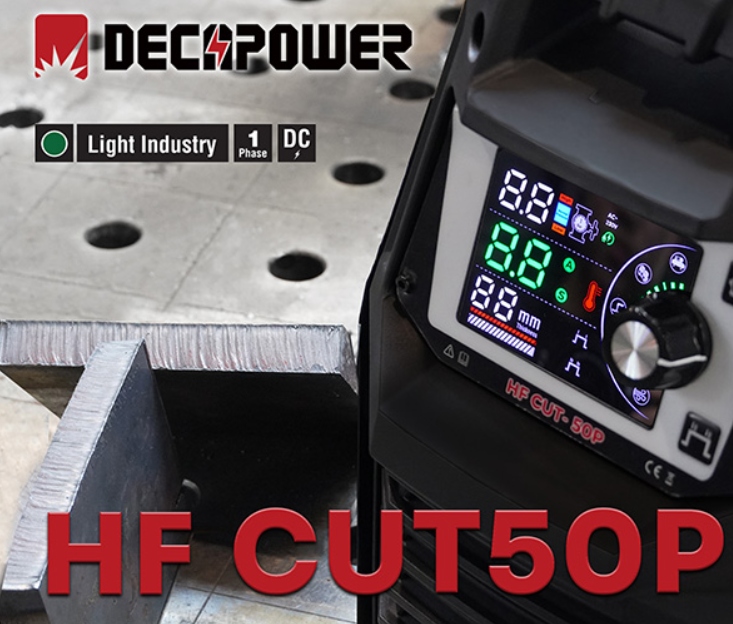
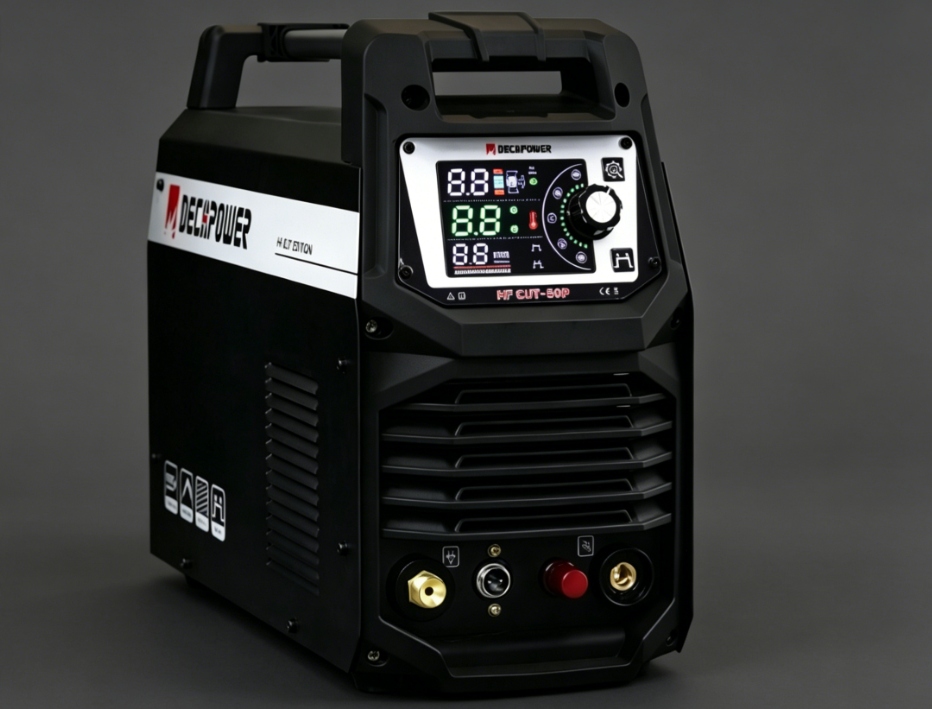
قاطع البلازما الاحترافي HF CUT-50P
تم تصميم هذه الآلة عالية التردد للتعامل مع المواد عالية التوصيل في ظروف ورشة العمل الحقيقية.
- ضربة قوس الطيار بدون تلامس: HF قطع-50Pيبدأ القوس التجريبي دون لمس قطعة العمل. وهذا يسمح للمشغلين بقطع شبكة الألومنيوم أو النحاس المؤكسدة دون فشل في بدء التشغيل.
- كثافة القوس المركزة: باستخدام تقنية العاكس IGBT المتميزة، فإنه يخلق عمود بلازما ضيق يحافظ على تركيز الحرارة ويقلل من التشوه على السبائك الرقيقة.
- نظام تبريد مُحسَّن بعد القطع: يقوم النظام تلقائيًا بتشغيل الغاز بعد القطع لتبريد الشعلة. وهذا يحمي المواد الاستهلاكية من الحرارة الزائدة المنعكسة من النحاس.
جدول المواصفات الفنية
يوضح الجدول أدناه الاختلافات الرئيسية في آلات القطع لدينا.
| المواصفات الفنية | HFCUT-40P | HFCUT-50P |
| جهد التوصيل (50/60 هرتز) | 1~, 230V (±10%) | 1~, 230V (±10%) |
| القدرة المقدرة (كيلو فولت أمبير) | 4.8 كيلو فولت أمبير | 6 كيلو فولت أمبير |
| تيار التغذية (I1max / I1eff) | 28.7A / 15.7A | 36A / 16A |
| كابل التوصيل | سلك نحاسي ثلاثي الأبعاد بمساحة 2.5 مم² (مع قابس) | سلك نحاسي ثلاثي الأبعاد بمساحة 2.5 مم² (مع قابس) |
| نطاق خرج القطع (التيار/الفولت عند 40 درجة مئوية) | 20A/88V – 40A/96V | 20A/88V – 50A/100V |
| دورة التشغيل (عند 40 درجة مئوية، 230 فولت) | 30% = 40A, 100% = 20A | 20% = 50A, 100% = 20A |
| جهد بدون حمل | 296 فولت | 296 فولت |
| إشعال القوس الكهربائي | ضربة ARC بدون تلامس | ضربة ARC بدون تلامس |
| أقصى سُمك للقطع | 16 مم | 22 مم |
أفضل الممارسات لتقطيع النحاس والألومنيوم بشكل نظيف
يتطلب الحصول على حواف مستقيمة مع القليل من الخبث تحكمًا دقيقًا في السرعة والطاقة وتدفق الغاز.
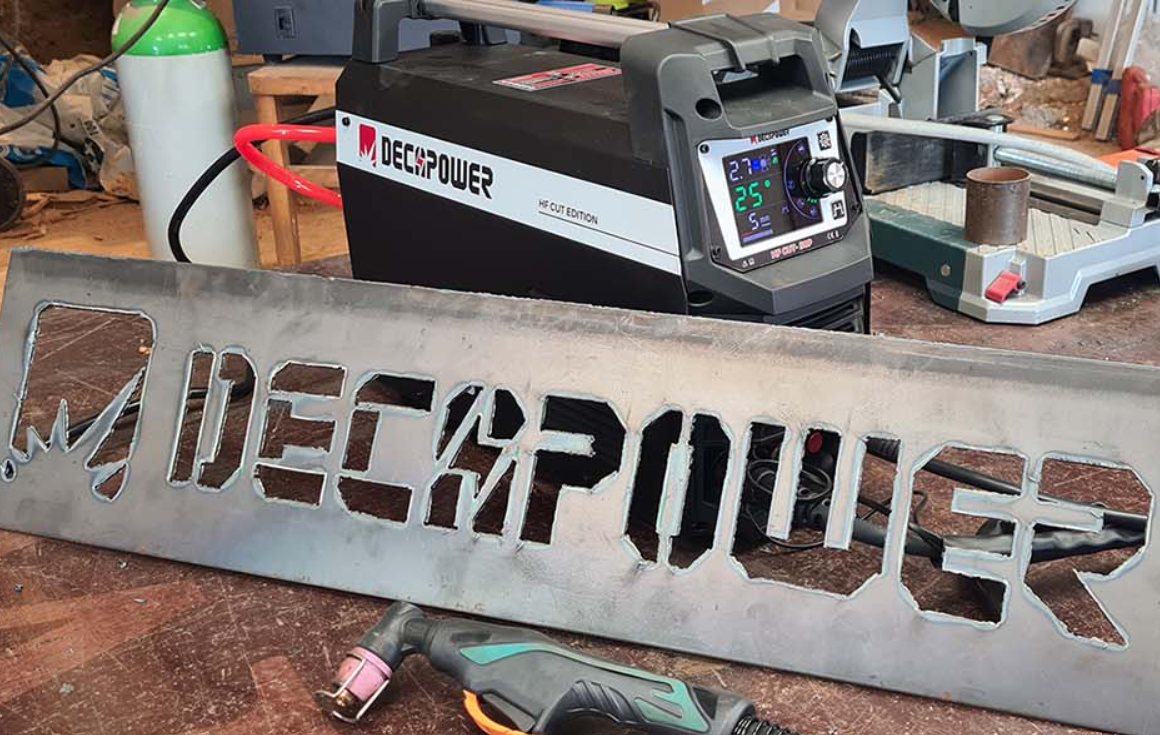
تحسين سرعة السفر وشدة التيار
إن إيجاد التوازن الصحيح بين التيار وحركة الشعلة يُحدث الفرق الأكبر.
- سرعة حركة عالية: حرّك الشعلة بسرعة تصل إلى 30% أسرع على الألومنيوم مقارنةً بالفولاذ. هذا يمنع القوس الكهربائي من توسيع القطع وتقريب الحافة العلوية.
- مطابقة التيار: يتيح لك استخدام HF CUT-50P عند أقصى خرج له وهو 50 أمبير إمكانية اختراق عتبة المشتت الحراري الشديدة للسبائك غير الحديدية على الفور.
- التحكم في مسافة التباعد: حافظ على مسافة ثابتة وقريبة بين الفوهة والمادة. هذا يقلل من انحراف القوس ويحافظ على استقامة حافة القطع.
اختيار تركيبة الغاز الواقية الصحيحة
يؤثر نوع الغاز الذي تختاره على مدى كفاءة القوس الكهربائي في قطع وإزالة المعدن المنصهر.
- الهواء المضغوط: يُعدّ هذا الخيار مناسبًا تمامًا لأعمال الورش اليومية. يعمل جهاز HF CUT-50P بكفاءة عالية باستخدام الهواء المضغوط القياسي، حيث يوفر ضغطًا هوائيًا كافيًا لنفخ الألمنيوم المنصهر على ألواح يصل سمكها إلى 22 مم لفصلها.
- غاز النيتروجين: من أجل أعمال صناعية أنظف، يقلل النيتروجين كغاز بلازما من الأكسدة على النحاس ويترك الحواف جاهزة للحام.
- مخاليط الأرجون والهيدروجين: استخدم هذا المزيج للقطع النحاسية السميكة. فهو يوفر الحرارة الإضافية اللازمة لمعالجة المعادن الكثيفة بكفاءة.
الامتثال لمعايير السلامة والخيارات المخصصة
تخضع جميع آلاتنا لاختبارات شاملة لتلبية المتطلبات الصناعية الصارمة في جميع أنحاء العالم.
- الامتثال الصارم للمعايير: يتبع الإنتاج معايير CE، لذا فإن كل وحدة تلبي قواعد السلامة الإقليمية باعتبارها لحامًا معتمدًا من CE لأوروبا.
- تصميم السلامة الكهربائية: تتضمن آلة اللحام HF CUT-50P حماية قوية ضد التيار الزائد والجهد الزائد، وهي متوافقة مع معايير الاتحاد الأوروبي.
- التوافق الكهرومغناطيسي: تعمل كل وحدة كآلة لحام معتمدة من LVD / EMC مع حماية مناسبة لتجنب التداخل مع معدات الورشة الأخرى.
- هندسة معمارية مصممة خصيصًا: نقدم ألوانًا مخصصة للعلب، وتعديلات على دورة التشغيل، وإعدادات للكابلات للموزعين الكبار والمشاريع الخاصة.
استنتاج
يصبح قطع النحاس والألومنيوم بدقة عالية أسهل بكثير باستخدام الآلة والإعدادات المناسبة. تجمع شركة ديكاباور بين خبرتها في اللحام وقطع البلازما لمساعدة ورش العمل على العمل بكفاءة أكبر.
- للموزعين الصناعيين العالميين: اعملوا معنا للحصول على أسعار مباشرة من المصنع، وإمدادات موثوقة، وخطوط إنتاج مخصصة من مصنعي المعدات الأصلية/مصنعي التصميم الأصلي تتناسب مع قواعد السوق الخاصة بكم.
- لأصحاب ورش العمل المحترفين: أضف آلاتنا شديدة التحمل لتقليل أعمال التشطيب وتحسين الإنتاج اليومي.
- للمقاولين المتخصصين ذوي الخبرة: استخدموا أقواسنا الثابتة ومعداتنا المعتمدة لأعمال النحاس المعمارية التفصيلية أو مشاريع الألمنيوم البحرية.
الاتصال ديكابوير اليوم تواصلوا معنا عبر البريد الإلكتروني info@decapowerwelder.com للحصول على حلول تناسب احتياجاتكم أو لمناقشة التصنيع المخصص لعلامتكم التجارية.
أسئلة متكررة
س: لماذا تحترق المواد الاستهلاكية لقاطع البلازما بشكل أسرع بكثير عند قطع النحاس؟
ج: يعكس النحاس المزيد من الحرارة نحو الشعلة، مما يتطلب إعدادات طاقة أعلى. وتؤدي الحرارة الزائدة إلى تآكل حشوة الهافنيوم في الفوهة بمعدل أسرع.
س: هل من الآمن استخدام الهواء المضغوط القياسي لقطع سبائك الألومنيوم البحرية بالبلازما؟
ج: نعم، يُمكن استخدام الهواء المضغوط في معظم الأعمال الروتينية دون مشاكل. مع ذلك، قد يُسبب أكسدة سطحية طفيفة، لذا يُعطي النيتروجين نتائج أنظف في أغلب الأحيان عندما تكون جودة تحضير اللحام في غاية الأهمية.
س: كيف يمنع نظام القوس التجريبي غير التلامسي على وجه التحديد تأخيرات استكشاف الأخطاء وإصلاحها على الألواح غير الحديدية المؤكسدة؟
أ: يقوم النظام بإنشاء القوس الكهربائي عبر دائرة داخلية، مما يغني عن الحاجة إلى لمس المادة. يدعم هذا الإعداد عملية قطع ثابتة حتى عندما تحمل الصفائح طبقات سميكة من القشور أو الأوساخ أو الأكسيد.
س: هل يمكن لماكينة اللحام أو قاطع البلازما الحاصلة على شهادة LVD / EMC أن تمنع تداخل طاولة CNC الآلية؟
ج: نعم. تعمل الآلات المعتمدة على خفض الانبعاثات عالية التردد. وبالتالي، فهي لا تؤثر على أجهزة التحكم الرقمية أو أجهزة الاستشعار أو أجهزة الكمبيوتر الموجودة في ورشة العمل.