
 Iniciar sesión








Decapower Información curada para profesionales, aficionados y educadores.
Manténgase al día con la última información sobre la tecnología de nuevos productos, innovaciones y más de la industria de la máquina de soldadura.







¿El arco de tu cortadora de plasma no se enciende? Las 6 principales causas y soluciones sencillas.
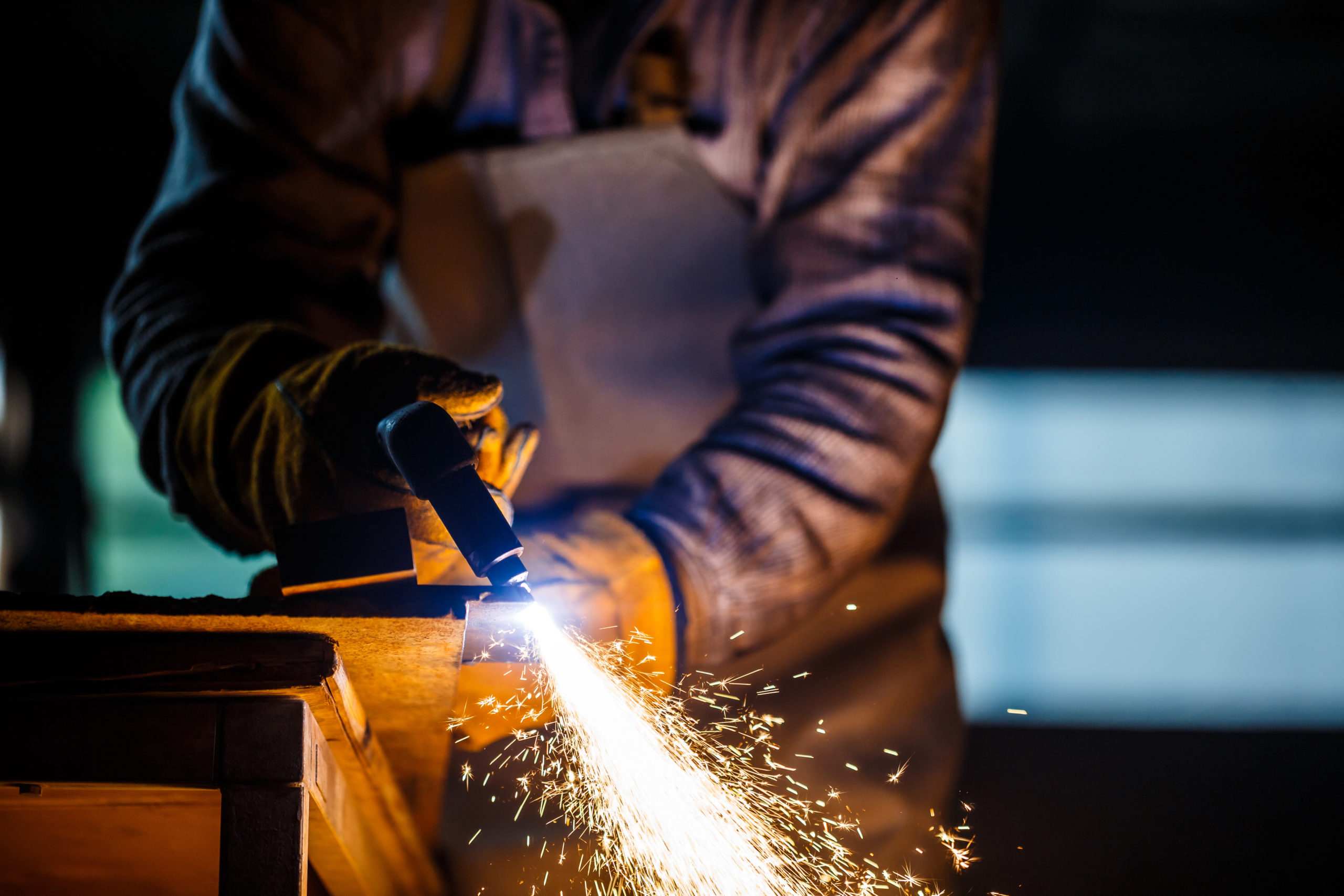
Alineas la antorcha, accionas el interruptor, oyes un leve silbido, pero no se produce el arco. Una cortadora de plasma que no genera arco ni transfiere el material al metal perjudica la productividad, consume horas de trabajo y desperdicia materiales. Tanto si el arco piloto falla por completo como si se apaga a mitad del corte, el diagnóstico comienza con una solución de problemas sistemática.
Comprender estos puntos de falla comunes ayuda a que su taller funcione sin problemas. Como fabricante especializado de sistemas de corte por plasma, MMA, GMAW, GTAW y de múltiples procesos, Decapower Fabrica herramientas de corte probadas en campo, diseñadas para proporcionar un encendido de arco piloto constante en entornos industriales exigentes.
Solución de problemas de encendido por arco de plasma: Las 6 causas principales
Identificar la causa de la falla del arco piloto es fundamental para minimizar el tiempo de inactividad de la producción. A continuación, se presentan las causas más frecuentes de falla del arco piloto y cómo solucionarlas eficazmente.
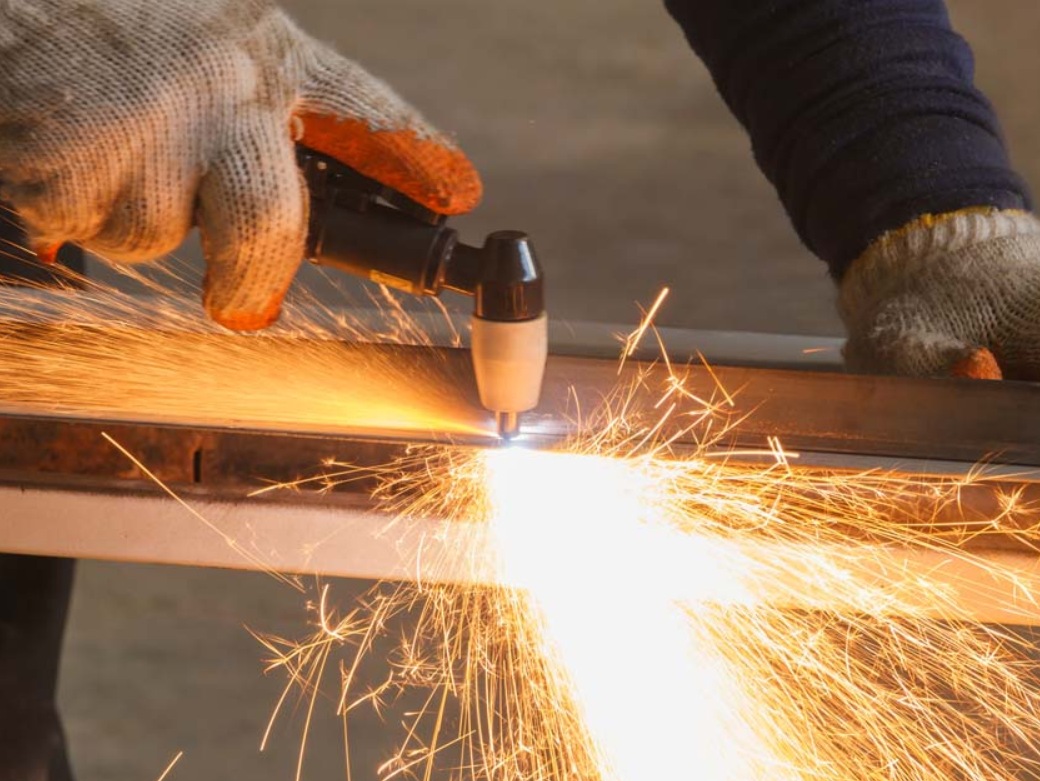
Flujo de aire insuficiente o mala calidad del aire
La humedad, el aceite y la presión neumática inestable provocan directamente el error de que la antorcha de corte por plasma no se encienda.
- Vacíe diariamente las líneas de aire: El aire comprimido atrapa la condensación, lo que provoca cortocircuitos dentro del cabezal de la antorcha.
- Compruebe la presión de funcionamiento: asegúrese de que su línea suministra la presión exacta (en PSI) que requiere su unidad, ya que una presión de aire incorrecta en la cortadora de plasma impide que se abra la válvula piloto interna.
- Instale filtros en línea: utilice separadores de humedad y trampas de aceite específicos, ubicados justo antes de la entrada de aire, para proteger los componentes internos.
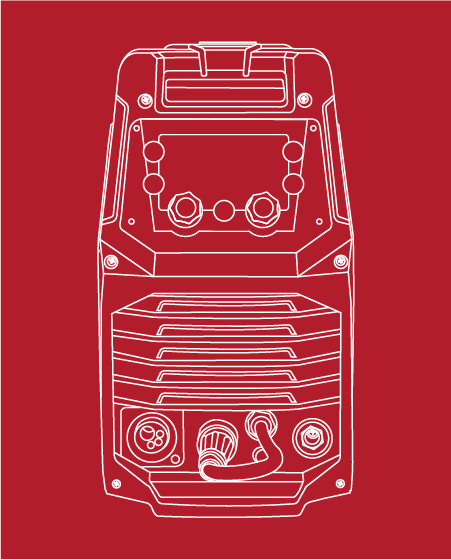
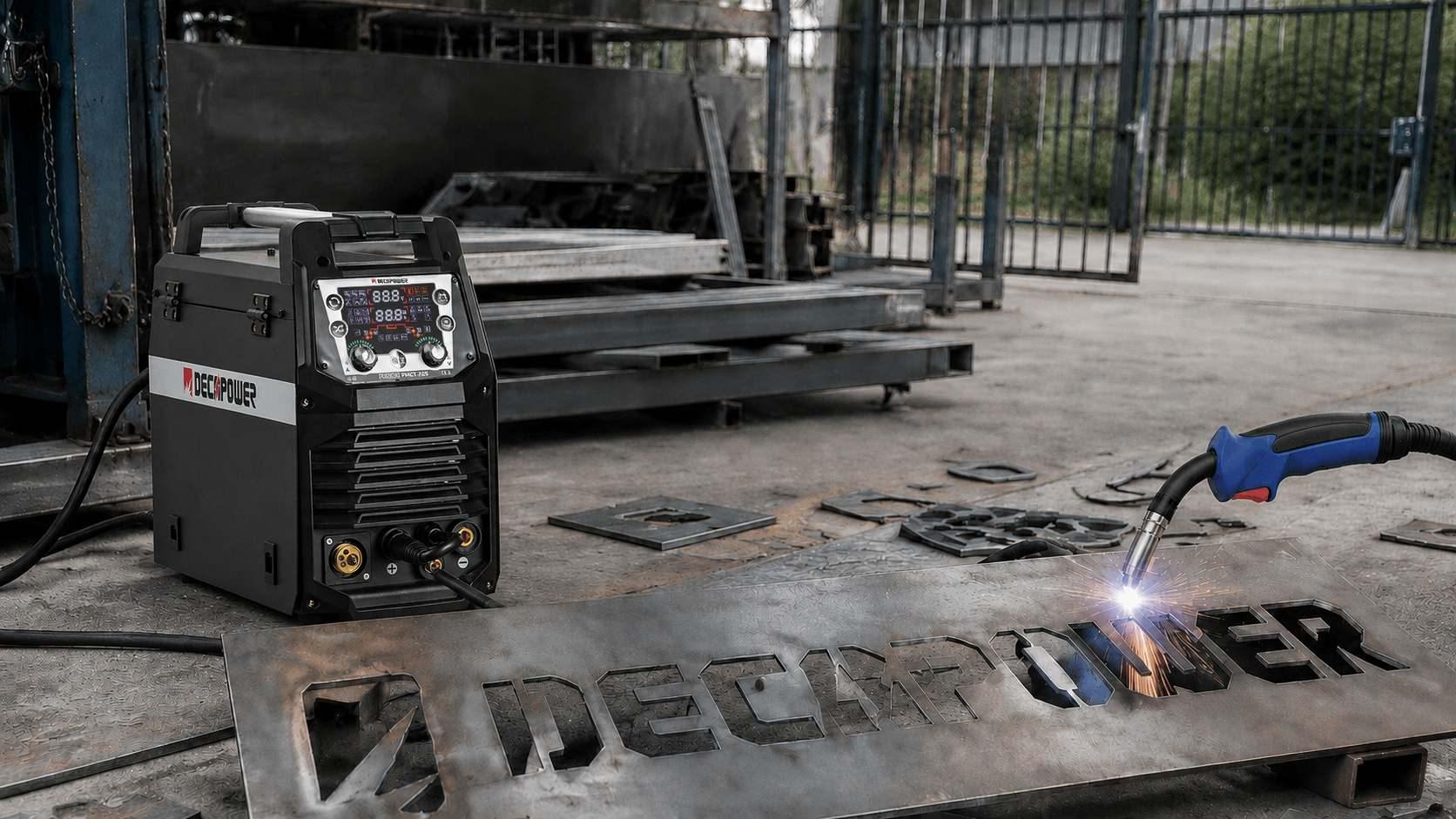
Para equipos multiproceso como el DECAPOWER PMCT-205Mantener un aire limpio y seco es vital para una transición fluida entre los modos de corte MIG, TIG, MMA y plasma.
Desgaste de consumibles: electrodos y boquillas
Las piezas desgastadas interrumpen la trayectoria de la chispa de alta frecuencia necesaria para iniciar un flujo de corte por plasma de arco piloto estable.
- Inspeccione el electrodo del cortador de plasma: Reemplace los electrodos que presenten marcas de picaduras profundas (de más de 1,5 mm de profundidad) en el centro del elemento de hafnio.
- Examine la boquilla del cortador de plasma: busque orificios sobredimensionados, oblongos o cubiertos de salpicaduras que dificulten la difusión de la energía del arco.
- Mantenga limpios los anillos de remolino: Asegúrese de que los conductos de los anillos de remolino de aire estén libres de residuos para permitir la correcta formación de vórtices alrededor del arco.
Conexión débil de la abrazadera de tierra
Un arco piloto no se transferirá si se interrumpe el circuito de retorno a la fuente de alimentación.
- Limpie la zona de contacto: Elimine mediante lijado el óxido grueso, la pintura, la cascarilla de laminación o los recubrimientos en polvo del punto de sujeción.
- Inspeccione la abrazadera de trabajo de la cortadora de plasma: compruebe que no haya tensión floja en las mordazas, hilos de cobre del cable deshilachados u oxidación por calor en los contactos.
- Fijación cerca de la línea de corte: Coloque la abrazadera de tierra del cortador de plasma directamente sobre la pieza de trabajo principal, en lugar de sobre el marco de la mesa de corte.
Problemas con la placa de encendido de alta frecuencia (HF) y el circuito del arco piloto.
Una cortadora de plasma de alta frecuencia utiliza chispas de alto voltaje para ionizar el aire sin contacto directo entre la antorcha y la placa.
- Inspeccione los ajustes de la separación de chispas: compruebe si hay acumulación de suciedad o una separación incorrecta en las placas internas de la separación de chispas.
- Compruebe el cable del arco piloto: Inspeccione el cable del relé secundario que discurre por el interior del haz de cables de la antorcha para detectar roturas o conexiones sueltas.
- Verificación del funcionamiento del relé: Escuche el clic interno del relé al accionar el gatillo de la linterna.
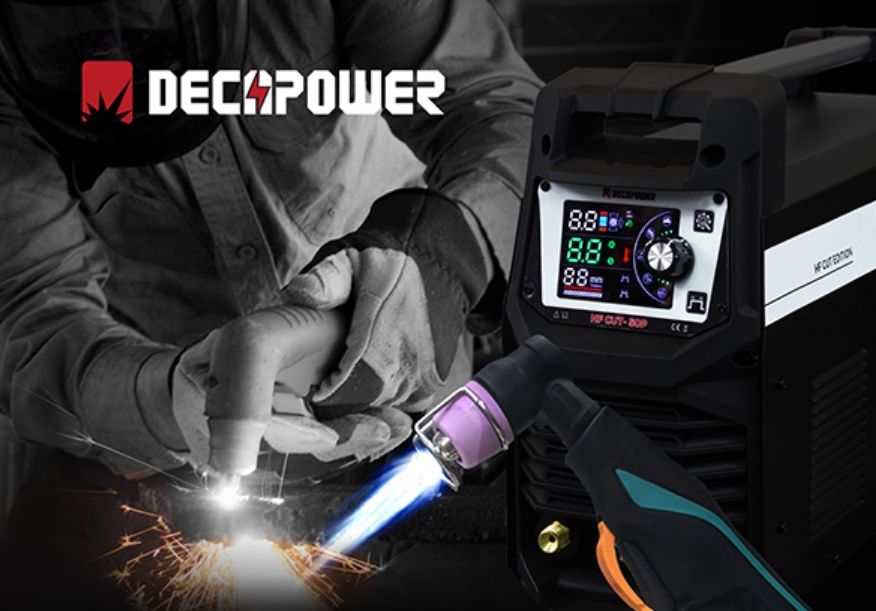
Si está operando una máquina de corte de alta frecuencia como la DECAPOWER HF CUT-50La comprobación y limpieza periódica del espacio entre los electrodos de encendido de alta frecuencia garantiza un encendido instantáneo del arco eléctrico.
Ajustes incorrectos de amperaje y presión de aire
Unas relaciones de potencia y neumáticas inadecuadas impiden la formación del arco antes de que se produzca la ionización completa.
- Ajuste el amperaje al material: Aumente los niveles de potencia cuando trabaje con placas más gruesas para facilitar una transferencia de arco limpia.
- Equilibrio de la velocidad del gas: Una presión de aire excesivamente alta apaga la llama piloto antes de que entre en contacto con el metal.
- Evite caídas de tensión: asegúrese de que los cables de extensión de entrada coincidan con el diámetro de cobre del núcleo requerido para evitar interrupciones en el suministro durante el encendido.
Contaminación de la superficie de la pieza de trabajo
Las barreras superficiales no conductoras impiden que el arco piloto establezca un circuito de corte primario.
- Recubrimientos previos al rectificado: Retire el recubrimiento base de caucho, el galvanizado grueso o las capas anodizadas antes de cortar.
- Materiales con huecos: Al cortar metal expandido o rejillas, asegúrese de mantener una distancia de separación constante para que el arco no se interrumpa a mitad de camino.
- Verifique la conductividad del material: asegúrese de que el metal que se va a cortar sea conductor de electricidad; las capas no metálicas bloquearán completamente la transferencia.
Soluciones de corte y soldadura multiproceso de Decapower
Las plataformas multiproceso avanzadas ayudan a eliminar los problemas de transferencia de arco mediante circuitos internos robustos y una gestión neumática precisa.

Comparación de la versatilidad multiproceso y el rendimiento técnico
La elección entre portabilidad compacta y rendimiento específico depende de las necesidades de su taller. Decapower ofrece máquinas multiproceso versátiles y cortadoras especializadas con alto voltaje en vacío y encendido por arco piloto sin contacto para una ignición sin esfuerzo.
| Parámetros técnicos | Decapower PMCT-205 | Decapower HFCUT-50 / HFCUT-50P |
| Funciones principales | CORTE HF/MIG(SYN) / MIG(MAN) / MIG(PULSO) / MMA /HF TIG | Cortadora de plasma de arco piloto dedicada |
| Voltaje de conexión | 1~, 110V / 230V (±10%) | 1~, 230V (±10%) (Disponible en doble voltaje) |
| Potencia nominal de entrada | 5,8 kVA | 6,0 kVA |
| Rango de salida de corte por plasma | 20A/88V – 40A/96V | 20A/88V – 50A/100V |
| Ciclo de trabajo (40 ℃) | 30% a 40A (230V) | 20% a 50A / 100% a 20A |
| Tipo de ignición por arco | Arranque táctil HF / sin contacto | Encendido por arco piloto sin contacto |
| Espesor máximo de corte | Acero al carbono de hasta 16 mm | Acero al carbono de hasta 22 mm |
| Accesorios estándar | Antorcha TIG, antorcha de corte, pinza de tierra, regulador | Linterna P40 (4 m), pinza de 200 A, regulador W2000 |
Fiabilidad técnica y cumplimiento internacional
La maquinaria de Decapower está diseñada para cumplir con los exigentes estándares de calidad globales, lo que garantiza un rendimiento estable en entornos difíciles.
- Cumplimiento de la normativa europea (marcado CE): Totalmente certificado para cumplir con las normas de seguridad europeas y los requisitos del mercado de la UE (soldadora homologada CE para Europa / máquina de soldar conforme a las normas de la UE).
- Seguridad eléctrica y fiabilidad EMC: Certificación LVD y EMC con placas de control protegidas para prevenir interferencias electromagnéticas, gestionar fluctuaciones de voltaje y garantizar la integridad del ciclo de trabajo.
- Rendimiento de arco versátil y estable: Rendimiento MMA / MIG / TIG / Plasma conforme a la normativa CE que proporciona un aislamiento eléctrico fiable y un encendido de arco estable en todos los modos de funcionamiento.
Servicios de fabricación y soporte técnico personalizados
Decapower apoya a los distribuidores comerciales y socios de marca con soluciones de fabricación a medida.
- Carcasas y marcas personalizadas: Ofrecemos diseños de chasis, distribución de paneles y marcas personalizadas, adaptadas a las necesidades del mercado objetivo.
- Ajuste de parámetros personalizado: El software de control interno se puede personalizar para optimizar las características del arco según los requisitos específicos de la aleación.
- Asistencia técnica global: El soporte técnico integral posventa, la documentación esquemática y la distribución de repuestos garantizan un funcionamiento continuo.
Soluciones prácticas para cada operador
Tanto si gestiona una red de distribución de equipos como si supervisa un equipo de reparación industrial, Decapower le ofrece soluciones de maquinaria a medida.
- Para fabricantes independientes: Obtenga una versatilidad multiproceso fiable e integral para realizar trabajos de corte, TIG y MIG sin necesidad de comprar fuentes de alimentación por separado.
- Para equipos de mantenimiento industrial: minimice los tiempos de inactividad inesperados con equipos robustos que cumplen con la normativa CE y están diseñados para entornos de producción exigentes.
- Para distribuidores comerciales y marcas OEM: Colabora con Decapower. Para acceder a plataformas de soldadura personalizadas, soporte global y líneas de productos certificadas adaptadas a su mercado.
Preguntas frecuentes
P: ¿Por qué el arco piloto de mi cortadora de plasma produce una chispa breve pero no se transfiere al metal?
R: Esto suele ocurrir debido a un mal contacto de la pinza de tierra, exceso de pintura u óxido en la pieza de trabajo o una presión de aire demasiado alta, lo que extingue el arco antes de que se produzca la transferencia.
P: ¿Con qué frecuencia debo reemplazar la boquilla y el electrodo de mi soplete de corte por plasma?
A: Sustitúyalos cuando observe marcas de picaduras visibles de más de 1,5 mm de profundidad en el centro del electrodo, un orificio de la boquilla ovalado o cuando la calidad del borde de corte disminuya significativamente.
P: ¿Pueden los problemas de calidad del aire dañar prematuramente los consumibles de la antorcha de plasma?
R: Sí. El aceite y la humedad en el suministro de aire comprimido provocan cortocircuitos internos, creando arcos eléctricos erráticos que funden las boquillas y queman rápidamente los electrodos.
P: ¿Cuál es la principal ventaja operativa de un arco piloto sin contacto frente a las cortadoras de plasma con arranque por contacto?
A: Los arcos piloto sin contacto se encienden sin tocar el metal, lo que prolonga la vida útil de los consumibles, permite cortar fácilmente acero oxidado o pintado y simplifica el corte de mallas metálicas perforadas.