
 Sign in


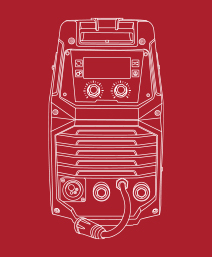
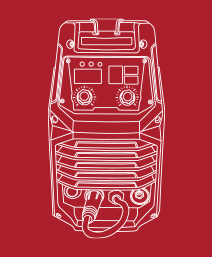
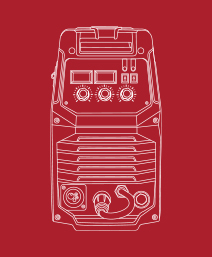

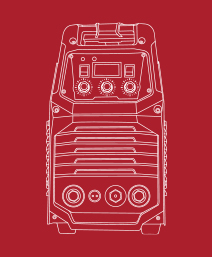



Decapower Curated information for Professionals, Hobbyists & Educators.
Stay up to date with the latest information on new products technology,innovations and more from Welding Machine Industry.







Top 5 Reasons Synergic MIG Controls Are Ideal for Beginners
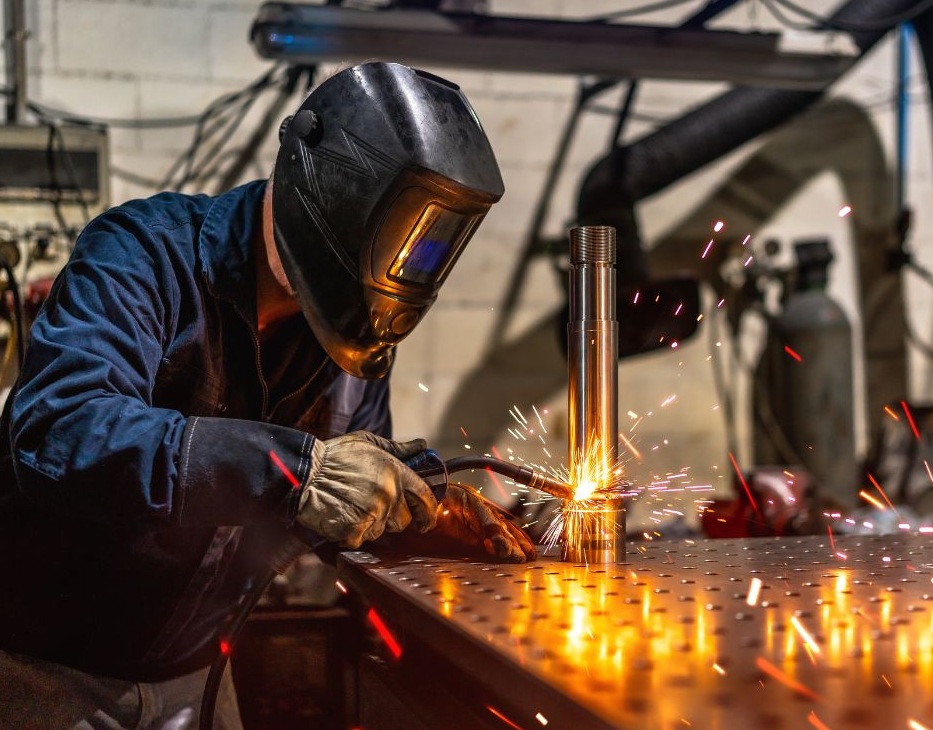
Navigating the Challenges of Early Welding Experience
Entering the world of metal fabrication presents a steep MIG welding learning curve, where incorrect MIG parameter control can quickly turn enthusiasm into frustration. Novice fabricators frequently encounter inconsistent bead profiles, excessive burn-through, and irritating arc instability due to improper adjustments.
The Beginner’s Dilemma in Modern Metal Fabrication
Understanding the delicate balance between metal thickness, wire diameter, MIG wire feed speed, and electrical settings is often the biggest hurdle for new welders.
- Parameter confusion: Traditional equipment requires manually balancing MIG wire feed speed and MIG voltage settings, where even a slight mismatch creates severe spatter or poor weld penetration.
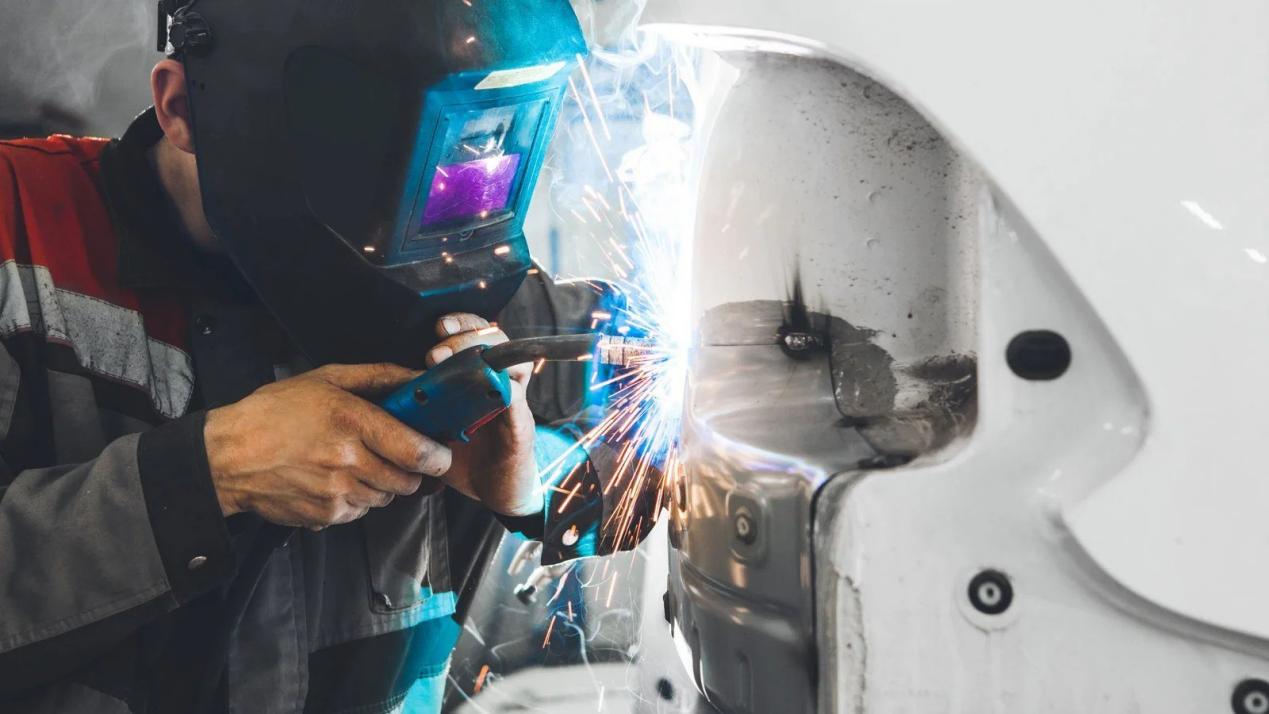
- Defect vulnerability: Novices working on thin automotive sheet metal or square tubing frequently suffer from burn-through or cold lap defects when MIG parameter control is miscalculated.
- Decapower solution: Decapower, a recognized manufacturer of multi-process GMAW, GTAW, SMAW, and plasma cutting equipment, addresses these pain points by integrating active synergy into every beginner MIG welder.
Top 5 Reasons Synergic MIG Controls Are Ideal for Entry-Level Welders
Synergic MIG controls transform complex multi-variable adjustments into a streamlined, intuitive operation. By utilizing pre-programmed synergic curves, a synergic MIG welder can coordinate key welding parameters so an entry-level operator can spend more time developing practical technique.
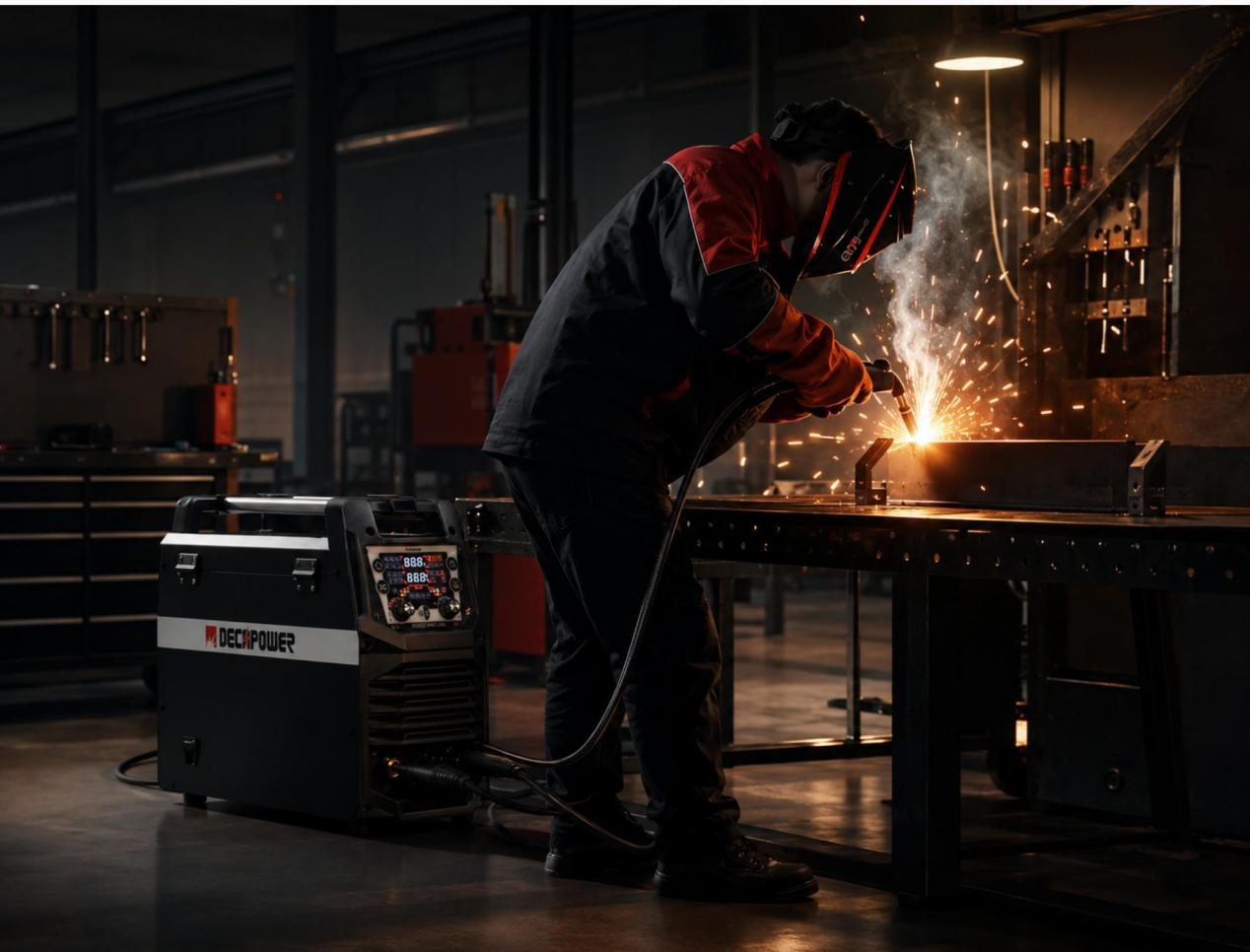
1. Synergy Simplifies Wire Feed and Voltage Matching
Managing multiple dials simultaneously often leads to setup errors and ruined workpieces, particularly for beginners using a MIG welder.
- Automated synchronization: Active synergic MIG controls automatically adjust voltage and amperage when the operator alters wire speed, simplifying wire feed and voltage matching and reducing manual setup errors.
- Practical scenario: When repairing a damaged 1.2mm automotive body panel, selecting the 0.8mm wire profile on a synergic MIG welder allows the user to adjust a single knob to maintain the ideal heat input.
- Operator confidence: Simplified MIG parameter control reduces manual trial-and-error, allowing novice welders to focus on torch angle, travel speed, and puddle control.
2. MCU Digital Control Enhances Arc Stability and Reduces MIG Spatter
Inconsistent arc transfers produce messy spatter that demands hours of tedious post-weld cleanup. Stable digital control is therefore particularly valuable in synergic MIG welding.
- Microcontroller precision: Advanced digital MCU chips monitor droplet transfer in real time to optimize MIG arc stability across varying torch distances.
- Spatter reduction: Modern power sources like the Decapower Double Pulse ULTRAMIG 230utilize pulse waveforms to reduce MIG spatter, preserving base metal aesthetics on carbon steel and aluminum.
- Practical scenario: In farm equipment maintenance, such as re-welding broken tubular steel gates, improved MIG arc stability and minimal spatter mean less time-consuming angle grinding before painting.
3. Flattening the MIG Welding Learning Curve
Learning metal joining techniques should focus on torch control rather than continuous electrical troubleshooting. This is one of the main advantages of synergic MIG for beginners.
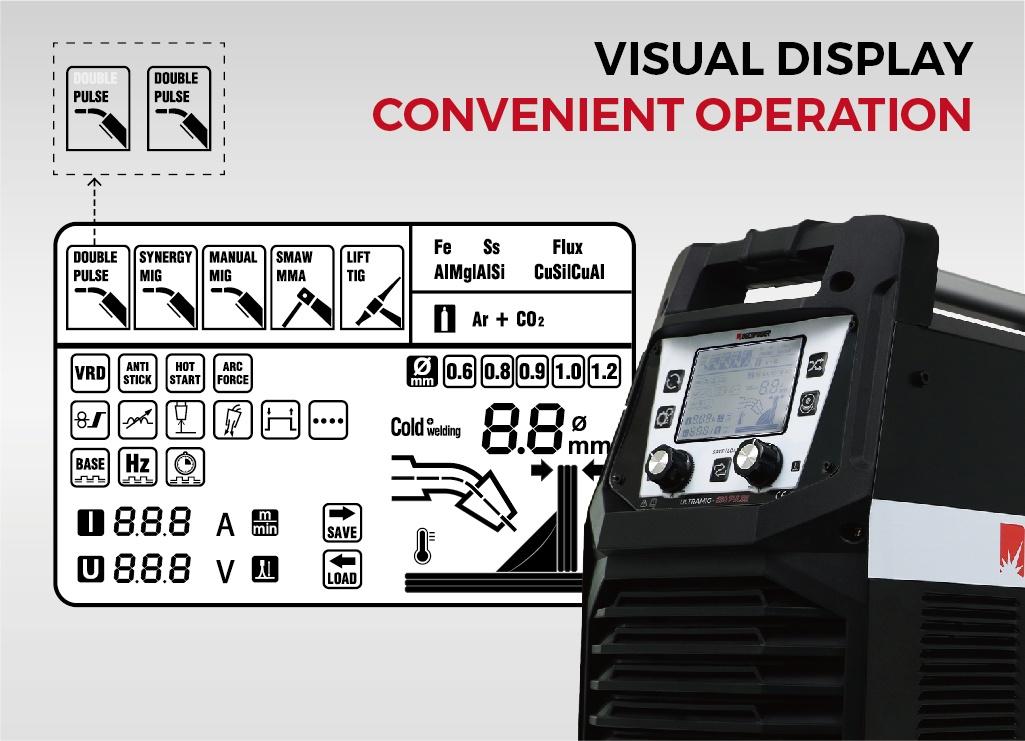
- Accelerated skill building: Using synergic MIG for beginners helps shorten the MIG welding learning curve by reducing the number of independent parameters a new operator must manage.
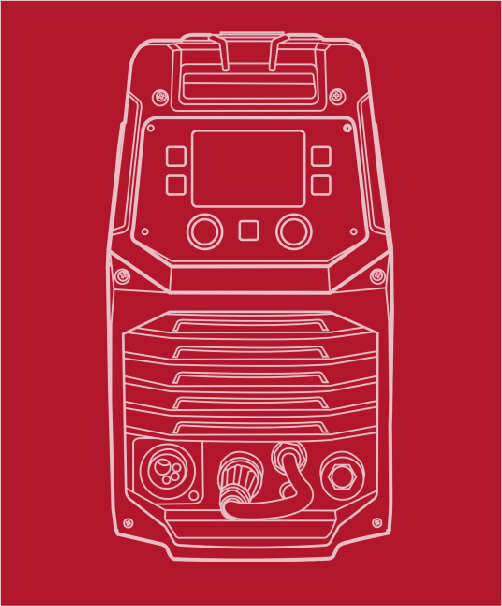
- Visual guidance: Equipment featuring a 4.3-inch visual LCD display, such as the Decapower ULTRAMIG 230, guides users with clear graphical icons rather than obscure technical codes.
- JOB MEMO: ULTRAMIG-230 offers up to 10 channels to save/load custom parameters, each channel can be rewritten to suit your welding habits. After saving the settings, you can quickly access the corresponding channel through data loading.
4. Multi-Process Versatility Across Real-World Scenarios
Entry-level users require flexible equipment capable of expanding alongside their developing skill set.
- Multi-process integration: A beginner-friendly MIG welder with multi-process capabilities allows seamless switching between GMAW, FCAW, SMAW, and GTAW applications.
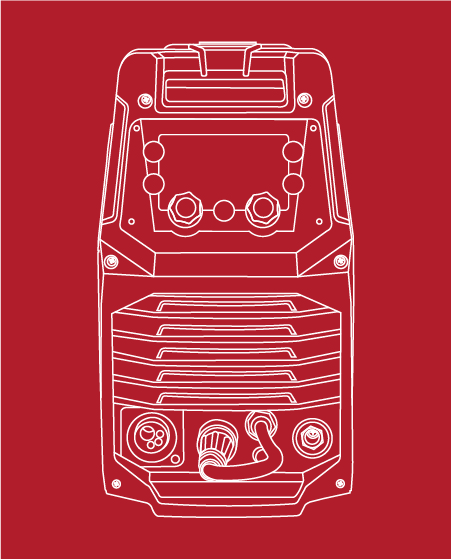
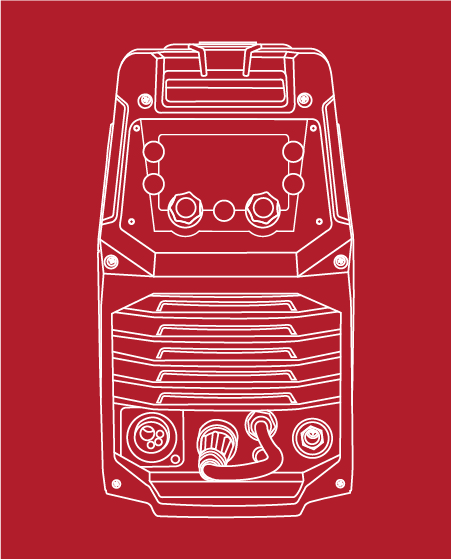
- Practical scenario: The Decapower PMCT 205combines MIG(SYN), MIG(MAN), MIG(PULSE), MMA, HF TIG, and HF CUT into one compact unit, enabling a user to cut thick steel plate and weld thin square tubing on the same job site.
- Robust feeding mechanism: A powerful 45W electric motor wire feeder ensures consistent MIG wire feed speed up to 15m/min for uninterrupted performance on demanding fabrication tasks.
For users purchasing a MIG welder for beginners, this multi-process flexibility provides room to develop additional fabrication skills without immediately replacing the original machine.
5. Built-In Preset Memory and Automatic MIG Settings
Re-creating successful parameter combinations for recurring jobs is often difficult for inexperienced operators. Digital synergic MIG controls make parameter recall more straightforward.
- Pre-programmed synergy: Factory-installed synergic curves offer reliable automatic MIG settings tailored to mild steel, stainless steel, and flux-cored wires.
- Customized job storage: Features like the 10-channel job memo save/load system allow users to store customized parameters according to their personal welding habits.
- Repeatable productivity: Quick setup recall supports consistent MIG voltage settings, wire feed parameters, and welding behavior across recurring workshop repairs or small-batch fabrication projects.
Decapower Engineering, Customized Solutions, and Global Standards
Delivering high-performance synergic MIG welder systems requires rigorous engineering, customized flexibility, and compliance with international regulations. Decapower supports global partners with reliable hardware backed by dedicated technical teams.
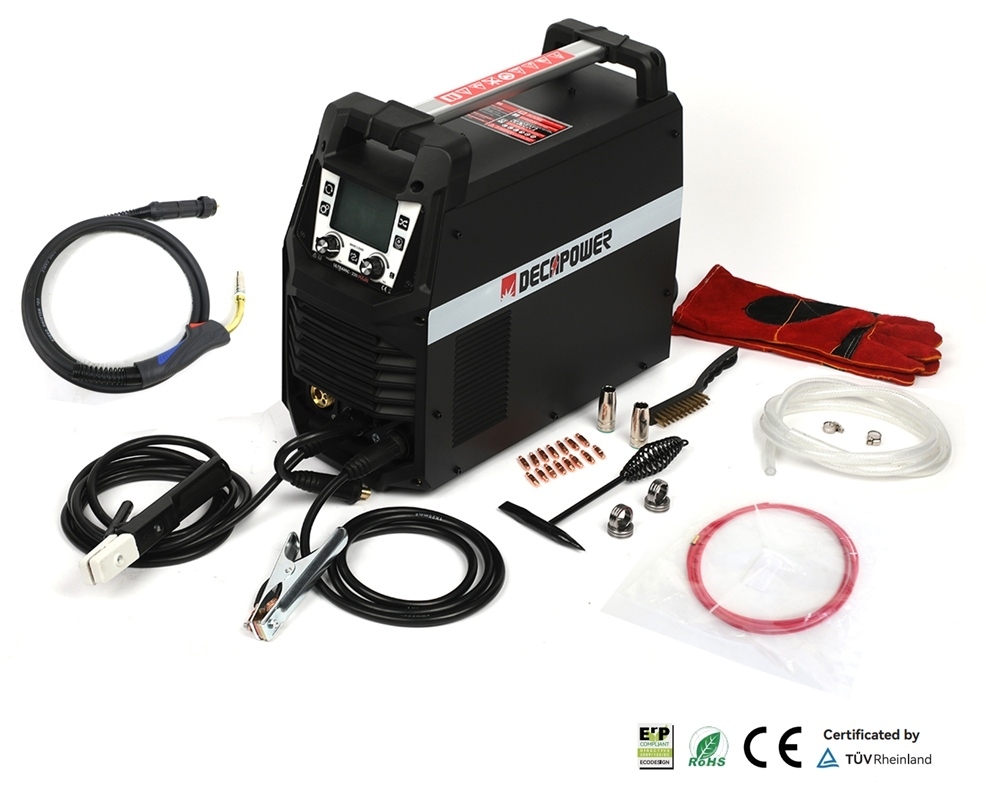
Technical Innovation with CE-Approved Reliability
International safety certifications and tailored engineering support long-term operation for industrial and retail markets.
- Customized OEM/ODM services: Decapower provides customized solutions, allowing global clients to tailor color schemes, private logos, software logic, MIG parameter control, and customized parameters to meet specific regional demands.
- European compliance: Decapower high-end machines are fully certified, offering a CE-certified welding machine portfolio that includes a CE-approved welder for Europe and a Welding machine compliant with EU standards.
- Comprehensive safety standard: Every high-end Arc welder with CE marking, including our CE-compliant MMA / MIG / TIG welder range, functions as an LVD / EMC-certified welding machine for electrical safety and electromagnetic compatibility.
Elevate Your Welding Experience with Decapower Solutions
Choosing the right beginner MIG welder determines how quickly a new operator progresses from basic practice to more controlled fabrication. Decapower offers solution-focused machinery with synergic MIG welding technology for different skill levels and applications.
Value Tailored for Enthusiasts, Workshops, and Distributors
Our technology and customized services deliver practical advantages tailored to specific operational goals.
- For DIY enthusiasts & beginners: Gain confidence with an easy-to-operate MIG welder for beginners, using automatic MIG settings and simplified wire feed and voltage matching to reduce parameter guesswork on home or automotive projects.
- For workshop managers & professionals: Improve productivity, reduce MIG spatter, and execute precise multi-process repairs with reliable MCU-controlled equipment such as the ULTRAMIG 230 and PMCT 205.
- For global distributors & partners: Expand your commercial catalogwith customized OEM/ODM synergic MIG welder equipment backed by international CE certifications and dedicated R&D support.
FAQ
Q: What is the main difference between manual MIG and synergic MIG welding?
A: Manual MIG requires operators to set MIG voltage settings and MIG wire feed speed independently, whereas synergic MIG welding links key parameters through built-in synergic programs, simplifying wire feed and voltage matching and overall MIG parameter control.
Q: Can a beginner weld aluminum using a synergic MIG machine?
A: Yes, a suitable synergic MIG welder equipped with pulse or double-pulse settings can make aluminum parameter adjustment easier for beginners by improving heat-input control and MIG arc stability.
Q: Why are CE certifications important when selecting a welding power source?
A: CE marking ensures that the machine complies with essential European health, safety, and environmental protection standards, including strict Low Voltage (LVD) and Electromagnetic Compatibility (EMC) requirements.
Q: Is a multi-process synergic machine suitable for professional workshop maintenance?
A: Absolutely. Multi-process systems such as the PMCT 205 provide versatility across MIG, TIG, Stick welding, and plasma cutting, while synergic MIG controls simplify setup and support repeatable welding performance.