
 Sign in








Decapower Curated information for Professionals, Hobbyists & Educators.
Stay up to date with the latest information on new products technology,innovations and more from Welding Machine Industry.







Gas Flow Rate Explained: How Much Shielding Gas Is Really Enough
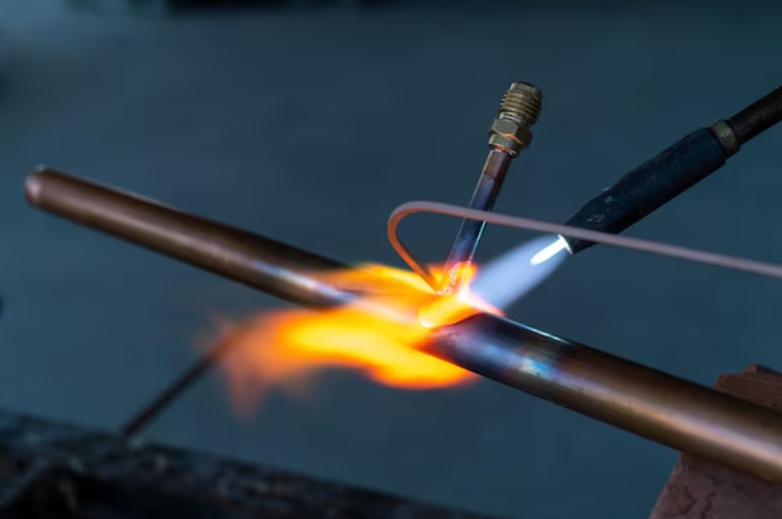
In professional welding shops, a smooth, solid bead often marks the difference between acceptable work and top-quality results. Even seasoned welders can face problems when they pay too little attention to one hidden factor: the shielding gas flow rate. This applies equally to MIG, MAG, and TIG welding. The gas creates a protective cover over the weld area, and the amount flowing out has a direct impact on both the joint’s strength and its final appearance.
At Decapower, a manufacturer recognized for its digital MCU-controlled welding machines sold across more than 100 countries, the focus stays simple: produce equipment that gives steady performance and makes daily welding tasks easier for users around the world.
The Invisible Shield: Why Shielding Gas Flow is the Pulse of Your Weld
Welding joins pieces by melting them together with heat or pressure so the atoms bond. Right at the joint, a small pool of liquid metal forms. That molten pool reacts quickly with anything nearby. Shielding gas keeps air away from this pool and from the droplets as they transfer.
Ordinary air carries oxygen, nitrogen, and hydrogen. When any of those reach the hot metal, problems follow quickly.
- Oxygen triggers oxidation. The weld becomes weak and looks rough.
- Nitrogen makes the joint brittle and cuts its toughness.
- Hydrogen often causes cold cracks or leaves tiny holes called porosity.
The gas must push air out completely and surround the weld zone long enough for the metal to cool and harden cleanly.
Finding the Sweet Spot: The Physics of Flow Rate
Picking the right flow rate means striking a balance. Too little gas fails to protect the weld. Too much creates new issues. The correct setting changes with shop conditions, torch movement, and machine setup.
The Dangers of Low Flow: Porosity and Oxidation
Low flow leaves the gas shield weak. Drafts from fans, open doors, or even torch motion can blow air right into the weld pool. Porosity appears as small bubbles trapped inside or visible pits on the surface. On stainless steel and aluminum, low flow lets oxygen in immediately. The bead turns dark gray or black, and no amount of cleanup brings back a bright, smooth finish.
The Turbulence Trap: Why “More” Isn’t Always Better
Many welders assume higher flow gives better coverage. In practice, the opposite often happens. When gas rushes out too fast, it swirls and pulls surrounding air back into the stream. That mixes contaminants into the pool instead of keeping them out. High flow also burns through expensive gas like pure argon much faster than necessary.
Process-Specific Gas Management: MIG/MAG vs. TIG
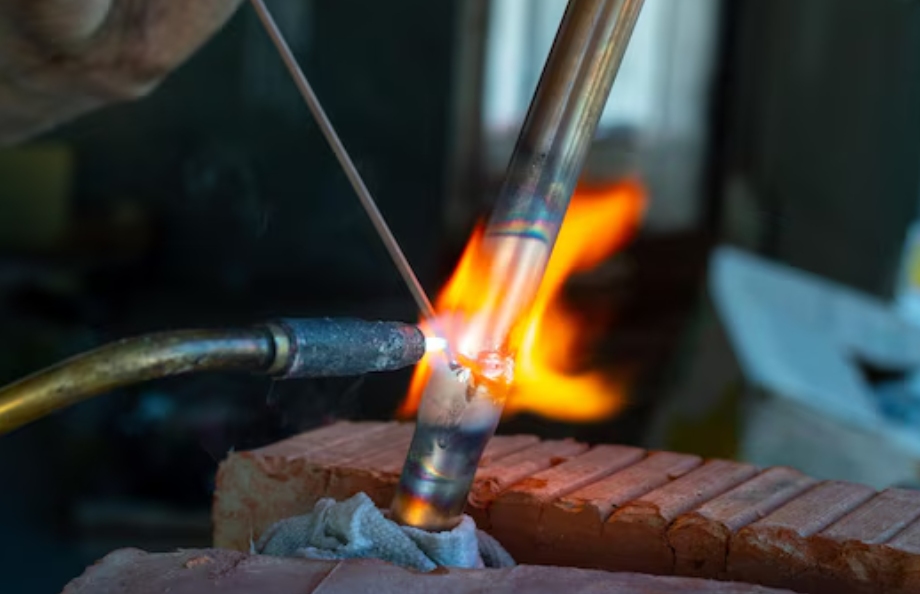
Flow needs differ between processes that use a consumable wire and those with a non-consumable electrode.
MIG/MAG (GMAW) and the Impact of Wire Stickout
MIG welding usually calls for high-purity argon (Ar ≥ 99.99%) on aluminum or copper. MAG welding relies on active blends, most often 80% argon with 20% CO2, for mild steel.
Wire stickout—the length from the contact tip to the workpiece—plays a big role in MIG and MAG. Industry practice keeps a stickout between 12 mm and 20 mm. Longer stickout raises electrical resistance. Current drops as a result, and the arc becomes less stable. When that happens, gas coverage weakens unless the flow rate matches the change.
TIG (GTAW) Precision: Nozzle Sizing and Purity
TIG demands the cleanest gas possible. High-purity argon (99.99%) protects non-ferrous metals such as titanium and aluminum alloys. Without it, the weld and the heat-affected zone oxidize quickly.
Nozzle size also controls how much gas reaches the weld. TIG nozzles run from 4 mm up to8 mm. Smaller 4 or 5 nozzles work fine on carbon steel. Larger 6 or 7 nozzles cover more area when welding stainless steel or aluminum. The extra coverage keeps the cooling bead shielded longer as it solidifies.
Decapower’s Precision Solutions: Digital Control for Gas Optimization
Decapower builds machines as an original brand manufacturer. The focus stays on digital controls that help operators hold steady arcs and use gas efficiently.
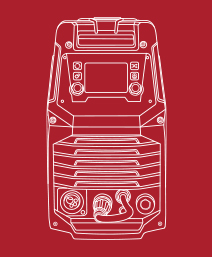
XTRAMIG-200: The Synergic Multi-Process Powerhouse
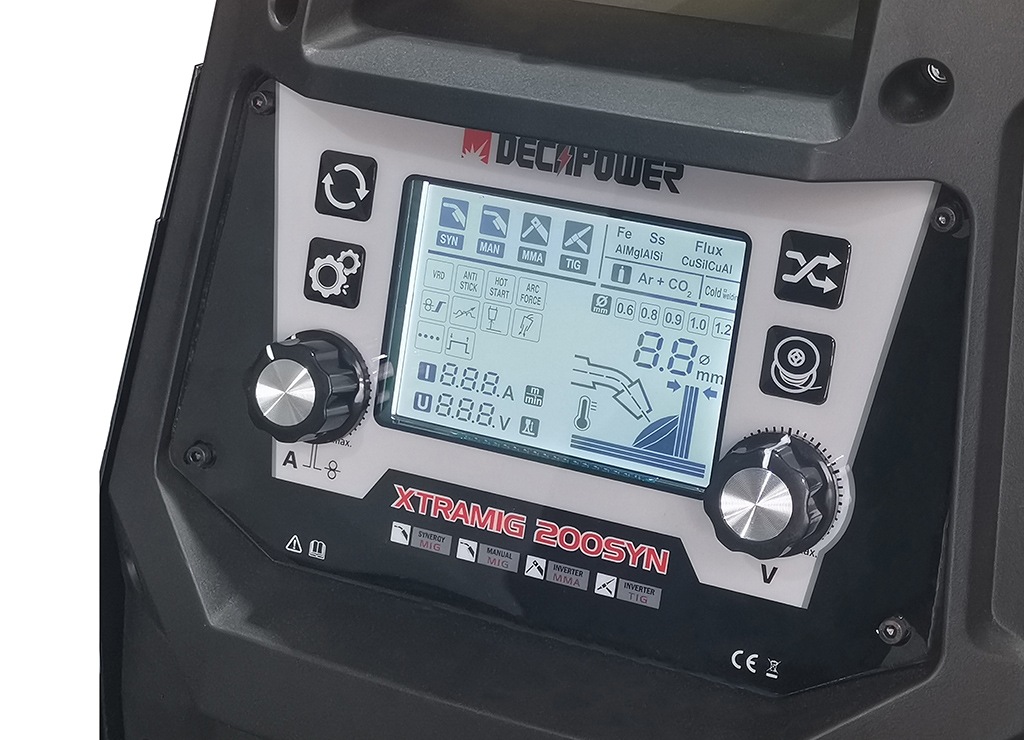
The XTRAMIG-200 handles GMAW, FCAW, SMAW, and GTAW in a single compact package.
- Active Synergy Technology: Select wire type and size, then turn one knob. The MCU sets the voltage and feed speed automatically. The arc holds steady even when the operator has limited experience.
- Visual Interface: A 4-inch LCD display shows clear icons. Setup becomes faster, and trial runs drop noticeably.
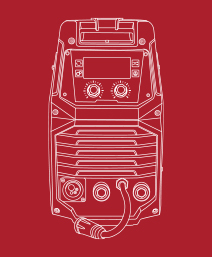
ULTRAMIG-230: The Double Pulse Expert for Sophisticated Alloys
The ULTRAMIG-230 serves the light industry and fabrication shops. It runs on a full-bridge circuit with complete digital regulation for accurate welds.
- Double Pulse Technology: The machine switches between two current levels. Heat input stays low, spatter drops sharply, and the process suits thin or soft metals like aluminum, where gas must remain steady.
- JOB MEMO Function: Operators save up to 10 sets of settings. Once the right combination of gas flow, voltage, and wire speed works for a certain material, it stays stored for quick recall.
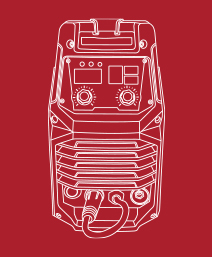
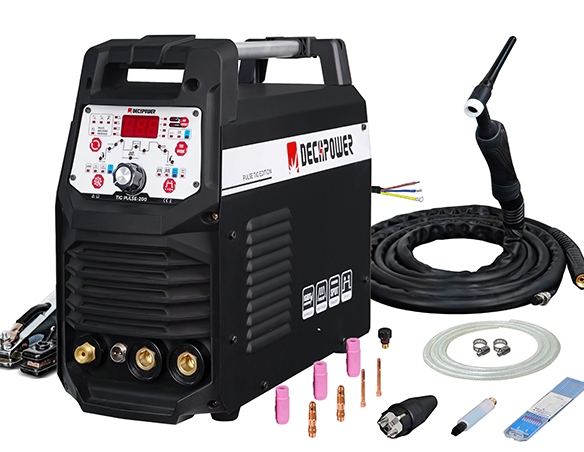
EASYTIG-200: Precision Multi-Function TIG Specialist
The EASYTIG-200 is a multi-functional DC TIG welder ideal for stainless steel and home DIY projects.
- Multi-process welding: It supports multiple processes, including Pulse TIG, Cold TIG, and Ss Clean.
- Cold welding with JOB MEMO: The Cold Welding function allows for precision on thin metals without burn-through. Like our advanced MIG units, it includes a JOB MEMO function to store and export efficient welding parameters.
Beyond the Catalog: Decapower’s Customized Solutions for Global Industry
Standard models do not fit every job. Decapower invests in R&D and application engineers to handle special requests.
OEM and ODM services cover a wide range. OEM builds machines to exact buyer specifications. ODM allows changes to appearance, such as color, logo, and packaging, for white-label partners. All production takes place in ISO9001-certified plants that meet international safety and quality rules. From voltage adjustments to software tailored for a production line, Decapower supports partners worldwide.
Conclusion: Making Welding Easy Through Precision
Learning to set shielding gas flow properly marks an important step from novice to skilled welder. When flow stays in the right range, and digital tools help maintain consistency, welds come out protected and reliable. Decapower supplies the equipment and custom options needed to bring that level of control within reach.
FAQ
Q: Why is gas purity so important in TIG welding?
A: High-purity argon (99.99%) prevents oxidation on the weld and the tungsten electrode, particularly when working with metals like aluminum.
Q: Can Decapower provide a customized machine for my brand?
A: Yes, full OEM/ODM services are available, so machines can carry custom specifications and your own branding.
Q: What is the main benefit of the Double Pulse feature in the ULTRAMIG-230?
A: It delivers improved thermal control and cuts spatter, which makes it well-suited for clean welds on thin materials such as aluminum.
Q: How does the Synergic mode help with gas and parameter matching?
A: It automatically adjusts wire speed and voltage according to the material and diameter you choose, which simplifies setup and keeps the arc stable.