
 Sign in









Decapower Curated information for Professionals, Hobbyists & Educators.
Stay up to date with the latest information on new products technology,innovations and more from Welding Machine Industry.







Why Thin Sheets Distort and How Welders Can Prevent It
Introduction
The Silent Cost of Warped Metal
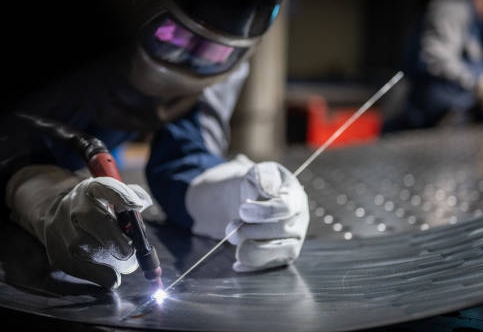
Spend five minutes in any fab shop, and someone will show you a perfect-looking panel that turned into a twisted mess the second the weld cooled. Thin metal—anything under 3/32 inch—just doesn’t have the backbone to fight the heat. One good bead and the whole piece cups, bows, or waves like a flag. That scrap pile costs real money, kills deadlines, and drives good welders nuts.
Decapower builds machines that let you keep the heat exactly where you want it and nowhere else. From pulse TIG to double-pulse MIG, we make tools that help you weld thin stuff clean and flat.
Understanding the Thin Metal Distortion Challenge
The Science Behind Warping
Heat the metal, and it grows. Cool it fast, and it wants to shrink. The weld and the metal right next to it cool quicker than the rest of the sheet, so they try to pull everything smaller while the cold metal fights back. That fight leaves stress locked in the panel. A thick plate can take it. Thin sheet folds like paper.
Why Thin Gauges are Vulnerable
Thick stuff soaks up heat and spreads it around. Thin stuff has nothing to soak with, so the heat stays right where the arc hits. The hot zone gets big, the shrinkage gets ugly, and the sheet has no stiffness to push back. That’s why a 1/16-inch aluminum panel can look like a Pringles chip after one pass if you run too hot.
Strategic Techniques to Minimize Heat Input
Controlling the Arc and Weld Parameters
Keep the amps low and move fast. That’s rule number one. Pulse welding helps a ton because you only hammer the metal hard for a split second, then back off to let it cool a hair before the next pulse. Less total heat, smaller heat-affected zone, flatter panel.
Proper Clamping and Fixturing
Clamp it like you mean it. Strong fixtures, copper backing bars, aluminum chill blocks—anything that holds the sheet dead flat and pulls heat away quick. One old-timer I know keeps a bucket of wet rags and slaps them on the back side of the second the bead is laid. Works like a charm on stainless.
Managing Weld Sequences (Tack and Skip)
Don’t run one long bead nose to tail. Tack the whole joint first—little 1/4-inch stitches every couple of inches. Then skip around: weld an inch here, jump four inches, weld another inch. Let’s one spot cool while you work somewhere else. Back-step the same way—weld toward the start instead of away from it. Keeps the heat spread out and the panel happy.
Choosing the Right Tool for Precision Control (Decapower Solutions)
Advanced GMAW for Thermal Management
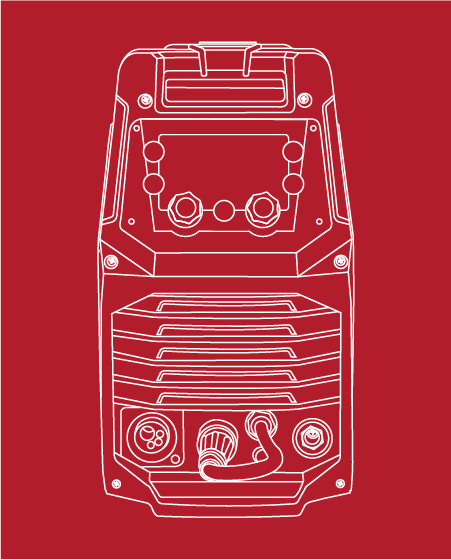
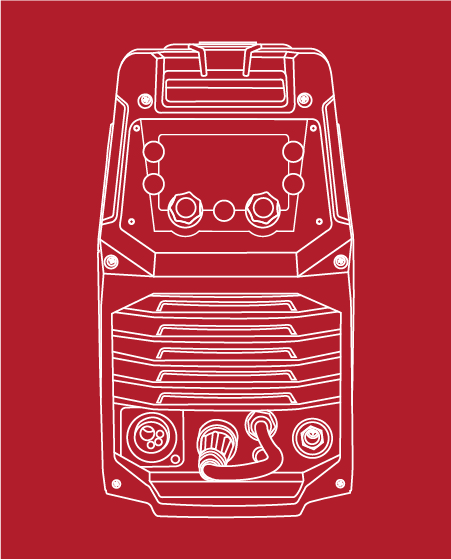
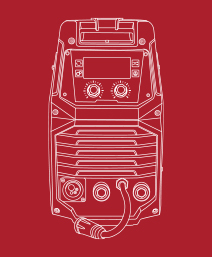
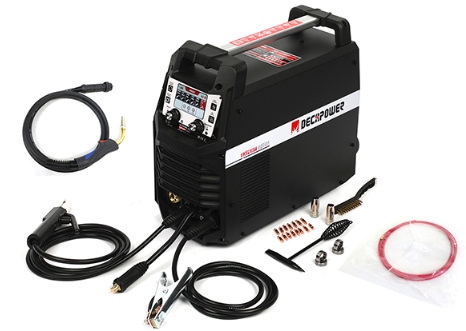
Featured Product: ULTRAMIG-230 EXPERT Double Pulse MIG Aluminum Welding Machine
The ULTRAMIG-230 EXPERT is built for shops that weld a lot of thin aluminum and stainless steel. Full digital brain, single pulse, double pulse, synergic or manual—whatever you need.
Double pulse is the killer feature on thin stuff. It looks like a stack of dimes but runs three times faster than TIG. One pulse controls penetration, the second keeps the bead pretty and the heat low. Guys doing car panels or boat hulls say they cut distortion in half and spatter almost to zero.
High-Precision GTAW for Minimal Distortion
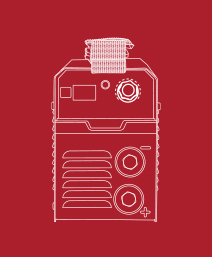
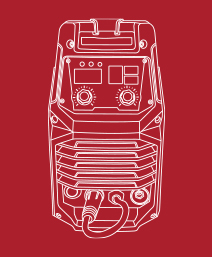
Featured Product: PULSE TIG 200 AMP TIG Inverter Welding Machine
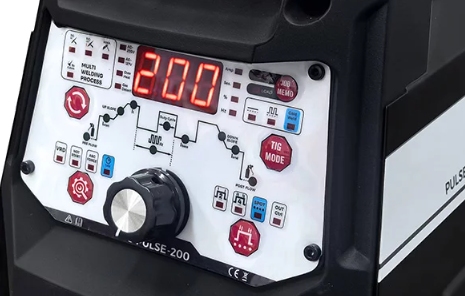
The PULSE TIG 200 is a compact full-bridge inverter with pulse, HF start, or lift.
Pulse TIG is the go-to for anything thin and fancy—stainless, titanium, aluminum. You set peak amps high enough to melt and background low enough to barely tickle the sheet. The puddle freezes between pulses, so the metal never gets a chance to overheat. Welders doing aerospace or food-grade tanks live in this setting.
The Versatility of Multi-Process Technology
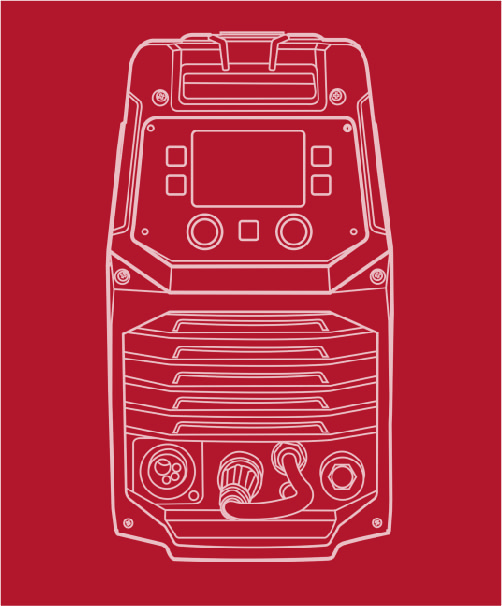
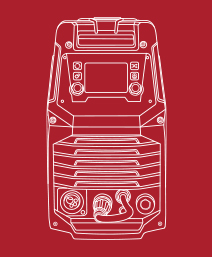
Featured Product: FUSION PMCT-205 Multi-process 6-in-1 Welder & Cutter
The PMCT-205 does everything: synergic MIG, manual MIG, pulse MIG, stick, HF TIG, and plasma cut. Roll it anywhere.
One day you’re pulsing MIG on thin aluminum, next day you’re HF TIG on stainless, then stick in the field when the power’s dirty. Having low-heat options in one box means you always pick the process that keeps the sheet flat.
The Decapower Advantage: Customized Solutions
Tailored Equipment for Optimal Performance
Off-the-shelf works for most jobs, but sometimes the job is weird. Our engineers love weird. Tell us the material, thickness, position, joint type, and what the weld has to look like—we’ll tune the waveform or build the whole machine around it. Small-run OEM is everyday stuff for us.
Commitment to Forward-Thinking Technology
We listen to welders, then build what they actually need. Double-pulse on the ULTRAMIG came straight from aluminum boat shops begging for faster welds that don’t warp. That’s how we roll—find the pain, fix the pain.
Conclusion
Thin metal warps when you pour too much heat in and let it cool incorrectly. Clamp smart, weld cool, skip around, and run machines that give you real control over the arc. Decapower boxes like the ULTRAMIG-230 EXPERT, PULSE TIG 200, and FUSION PMCT-205 make it easy to keep the heat low and the panel flat. Need something built exactly for your job? Talk to us—we do that too.
FAQ
Q: Why does Pulse MIG help on thin sheet?
A: It only blasts full power for a split second, then drops low to let the metal cool—less total heat, way less warp.
Q: Can Decapower build a machine just for my shop?
A: Yep—give us the details, and we’ll cook up a custom box, even for small runs.
Q: What’s so great about Double Pulse for aluminum?
A: Looks like TIG, runs fast like MIG, keeps the heat low enough that thin panels stay flat.
Q: Any quick tip for sticking on thin stuff?
A: Small rod, low amps, move quick—6013 in 5/64 or 3/32 gets it done when you have no choice.