
 Sign in



Decapower Curated information for Professionals, Hobbyists & Educators.
Stay up to date with the latest information on new products technology,innovations and more from Welding Machine Industry.







Why Decapower’s MIG Welders Are a Top Choice for Automotive Applications
In the precise field of automotive manufacturing and vehicle restoration, a strong weld goes beyond appearance. It forms a fundamental part of the structure’s strength and the safety of everyone involved. As car designs shift toward thinner sheets and lighter alloys, welding machines face tougher requirements than ever before.
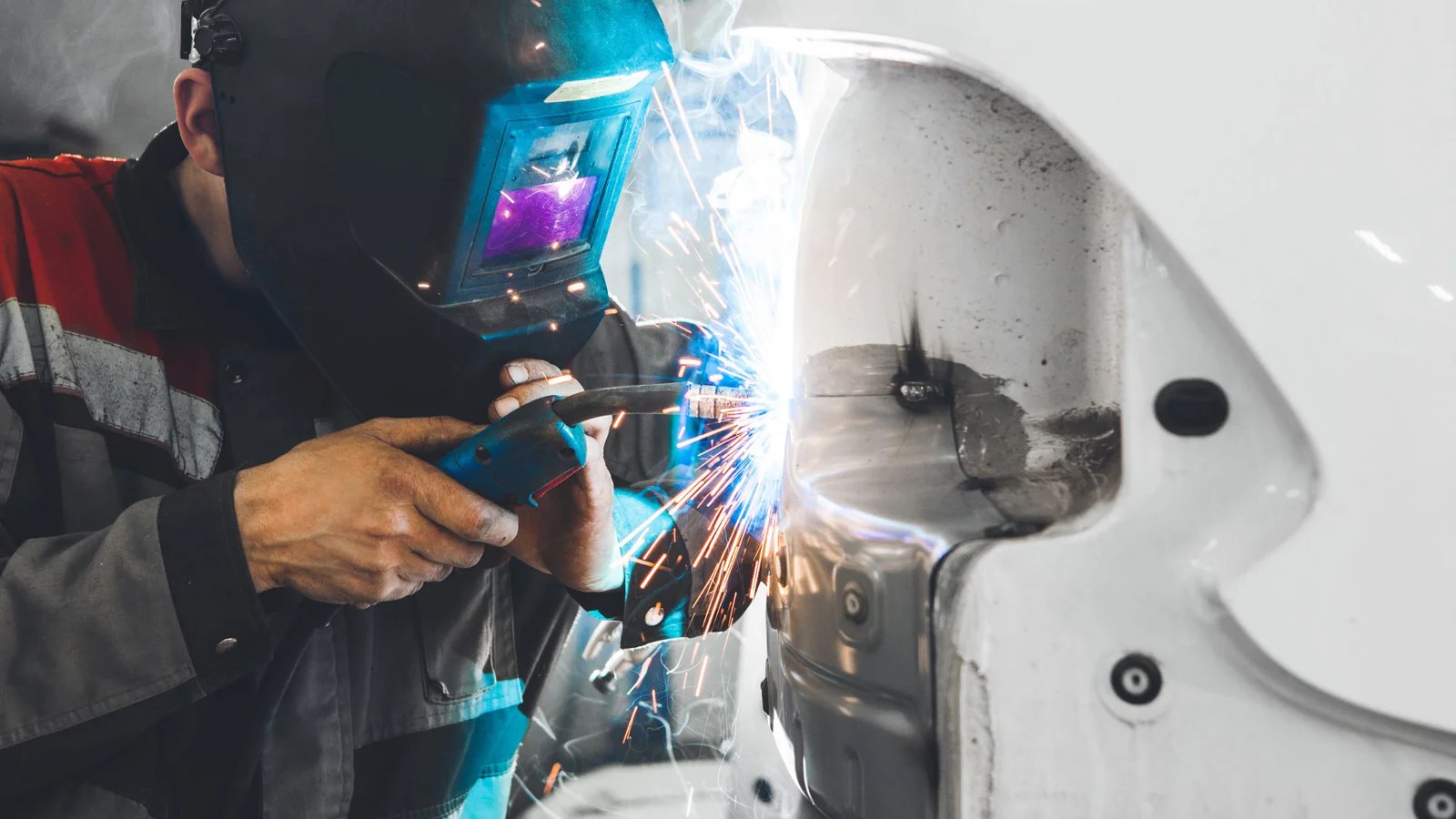
Decapower, a dedicated maker of digital welding with more than ten years in the business, has become a trusted supplier for automotive shops across the globe. Our focus on practical, workshop-centered design means each machine tackles the real difficulties technicians meet every day.
The Theoretical Superiority of MIG/MAG Welding in Automotive Engineering
Automotive work often deals with thin metal sheets, intricate joint shapes, and a range of materials—carbon steel, stainless steel, and aluminum among them. MIG welding, also called GMAW, stands out as the most practical process for these tasks because of several built-in benefits.
High Efficiency and Process Stability
MIG welding stands out for its fast working pace. Unlike stick welding (MMA), which needs constant electrode swaps, MIG feeds wire continuously from a spool. That setup supports long, steady welds without stopping—exactly what assembly lines and major repair jobs demand. The steady arc produced by Decapower’s DC-output machines creates smooth beads and even penetration from start to finish.
Superior Heat Control and Minimal Thermal Distortion
Too much heat ranks among the biggest problems when welding car bodies. It causes panels to buckle or warp, especially on thin sections. MIG welding directs heat sharply to the joint area. Adjusting the shielding gas helps manage the situation further—for instance, an Argon/CO2 blend works well on carbon steel, while pure Argon suits aluminum. Those changes slow the cooling rate and shape the weld pool in a controlled way.
Material Versatility: From Mild Steel to Aluminum Alloys
Today’s vehicles combine many different metals in one frame. MIG welding handles that variety smoothly. It joins thick chassis steel just as readily as fragile aluminum parts. Decapower’s digital MCU-controlled units let operators switch materials quickly—simply swap the wire spool and adjust the gas. That flexibility makes the machine a practical choice for any repair or custom job.
Why Advanced Pulse Technology is the Secret to Professional Automotive Repair
On high-end cars or thin aluminum panels, regular MIG can still input more heat than desired. Pulse and Double Pulse methods solve that issue effectively.
The Science Behind Pulse and Double Pulse MIG
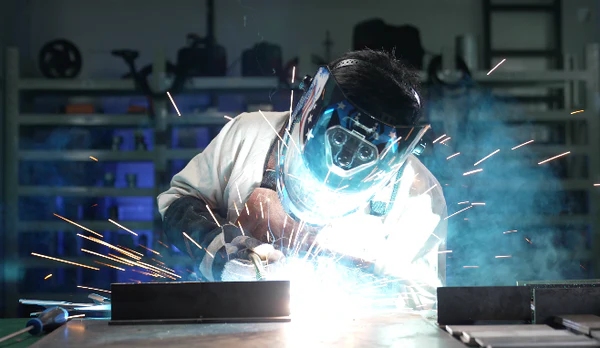
Pulse MIG works by cycling the current between a brief high peak and a lower background level. The peak melts the filler wire and base metal; the background keeps the arc alive without pouring in extra heat. Double Pulse adds another layer of pulsing on top of that. It produces a clean, stacked-bead look much like TIG welding, yet keeps the higher travel speed of MIG. For aluminum, which conducts heat rapidly and burns through easily, this control becomes especially valuable.
Reducing Spatter and Enhancing Weld Aesthetics
Spatter creates extra cleanup time and sometimes mars nearby painted surfaces or sensitive parts. Pulse technology cuts spatter sharply by transferring metal droplets in a smooth, controlled manner. The result is a tidy weld bead that needs little grinding afterward. That clean appearance matters greatly when the goal is to preserve a vehicle’s factory finish.
Decapower’s Premier MIG Solutions for the Automotive Sector
Decapower builds a selection of dependable machines tailored to automotive needs. Every unit passes strict tests to meet CE and ISO9001 requirements.
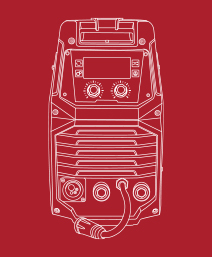
ULTRAMIG-230 EXPERT: The Master of Aluminum Welding
The ULTRAMIG-230 EXPERT serves as our leading model for serious automotive work. This multi-process pulse machine features a clear 4-inch LCD screen with straightforward icons that guide the user.
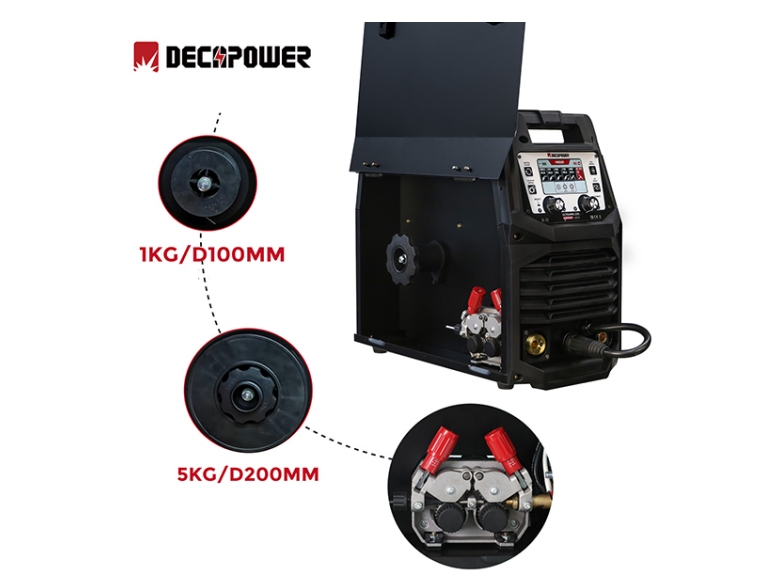
- Key Features: A full-bridge circuit combined with pure digital control delivers steady arc behavior.
- Automotive Advantage: Double Pulse capability handles thin, soft metals like aluminum without overheating them. Deep fusion occurs while the heat stays low. The “Job Memo” function stores up to 10 custom settings, so technicians recall exact parameters for particular car brands or models in seconds.
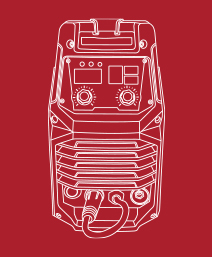
XTRAMIG-200: The Versatile Multi-Process Workhorse
Shops that want one machine to cover multiple jobs often choose the XTRAMIG-200. This inverter unit, controlled by an MCU program, supports GMAW, FCAW, SMAW, and GTAW processes.
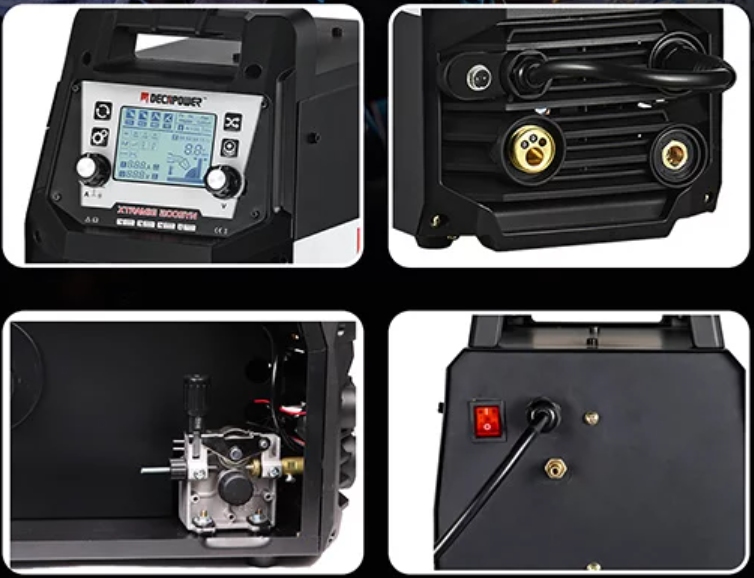
- Key Features: The synergic setup automatically links wire feed speed to voltage. That makes dialing in settings fast for both new and experienced welders.
- Automotive Advantage: It runs solid wire, flux-cored wire, stainless steel, and aluminum wire with ease. The all-in-one design suits structural fixes as well as custom body panels.
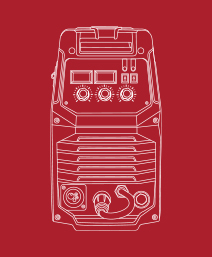
EASYMIG-140: Precision and Simplicity for the Garage
The EASYMIG-140 targets lighter work, home garages, and DIY users who want professional outcomes without complicated controls.
- Key Features: A compact, easy-to-carry design includes a simple “one-click” digital MCU system.
- Automotive Advantage: It handles small repairs and thin-sheet welding well. Built-in protection against overheating and overload keeps the machine safe during extended garage sessions.
Excellence Through Customized Solutions and Global Expertise
Decapower recognizes that standard machines do not always fit every automotive need. Our factory operates as a fully owned production site. It combines more than a decade of building experience with an active research and development group.
Tailoring Performance with a Customized Approach
We focus on flexible solutions that match exact requirements. Industrial clients may need special software settings, while distributors might request unique packaging or branding. Our engineers adjust hardware—such as the 4-roller wire feeder found in the ULTRAMIG series—or reprogram software logic to fit the job. Working directly with Decapower gives access to equipment built for long-term performance in demanding automotive environments.
Conclusion
The right welding machine plays a decisive role in automotive success. Decapower’s MIG welders deliver advanced digital features, pulse control, and sturdy construction that meet the tight tolerances of modern vehicle work. Through steady technical improvements and a willingness to adapt to customer needs, we make welding more straightforward and dependable for professional shops and individual restorers alike.
FAQ
Q: Why is Double Pulse MIG considered the best for aluminum car bodies?
A: Double Pulse keeps heat input low and gives excellent control over the weld pool. That prevents warping or burn-through on thin aluminum while leaving a smooth, attractive bead.
Q: Can I use Decapower MIG welders with a generator on-site?
A: Yes, our machines run on generators. We suggest using one with a stable enough output to protect the sensitive digital electronics inside.
Q: What is “Synergic” mode, and how does it help in automotive repair?
A: Synergic mode pairs the wire feed speed with the correct voltage automatically. The setup becomes quicker, so the operator concentrates on torch movement and producing uniform beads.
Q: Does Decapower offer customized services for specific project requirements?
A: Yes, we do. Our R&D team develops tailored welding solutions, including OEM and ODM arrangements, to match precise technical demands for partners worldwide.