
 Sign in
















Decapower Curated information for Professionals, Hobbyists & Educators.
Stay up to date with the latest information on new products technology,innovations and more from Welding Machine Industry.







Top Tips for Better Heat Control in TIG Welding
TIG welding, or GTAW, earns its reputation for producing clean, precise joints with excellent appearance. Yet that same precise heat focus creates the main difficulty: too much heat in one spot quickly causes warping, holes in the metal, or a weakened area around the weld. At Decapower, we build digital MCU-controlled welders that give both experienced welders and those still learning the fine adjustments needed for consistent, high-quality work.
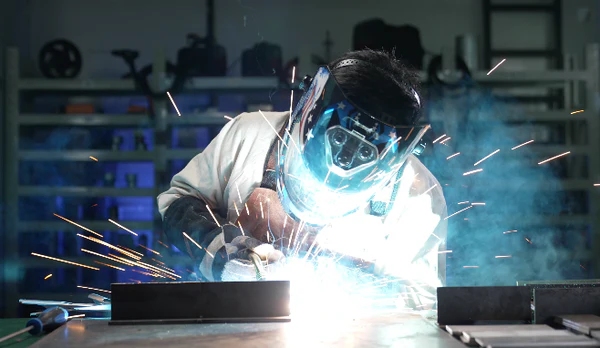
Founded in 2011, Decapower concentrates on user-friendly digital welding machines. After more than ten years in production and shipments to over 100 countries, the company follows an “Inside-Thinking” approach—developing features that directly address everyday welding problems.
Theoretical Insights: Understanding Heat Input in TIG Welding
Heat management means putting in just enough energy for complete fusion while keeping the overall temperature rise in the base metal as low as possible. TIG uses a non-consumable tungsten electrode to create the arc. Since the operator adds the filler rod by hand, the heat source and the weld pool stay under separate control. That independence makes TIG especially suitable for thin sheets of stainless steel, aluminum, copper, and similar metals.
Too much heat brings several common problems:
- Warping and Distortion: Thin sheet metal bends or twists easily under excess temperature.
- Oxidation: High heat combined with poor gas coverage turns the weld surface dull or discolored.
- Loss of Mechanical Properties: Overheating alters the grain structure in many alloys, which lowers the joint’s strength over time.
Essential Tips for Masterful Heat Control
Strong, good-looking TIG welds come from careful handling of settings. The following points offer practical ways to keep heat in check.
Utilizing Pulse TIG Settings
Pulse TIG ranks among the most helpful methods for controlling heat. The machine switches the current between a brief high peak and a steady lower background level.
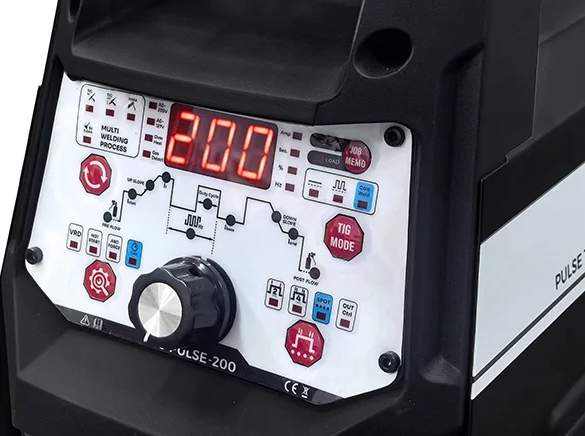
- Peak Current: This portion melts the base metal and filler to achieve proper fusion depth.
- Background Current: It keeps the arc alive but gives the weld pool a short break to cool.
- Frequency (Pulses Per Second): Faster pulsing—over 100 pulses per second—narrows the arc cone for sharper focus and a smaller heated zone. Slower pulsing allows timed dips of the filler rod, producing the classic stacked-dime bead pattern.
Mastering Arc Length and Torch Angle
The gap between the tungsten tip and the workpiece affects voltage and heat spread.
- Maintain a Tight Arc: A longer arc spreads heat across a wider area and raises the chance of distortion. Keep the arc length close to the tungsten diameter—usually 1 to 1.5 times the electrode size works well.
- Work Angle: Hold the torch at 15 to 20 degrees from vertical. A steeper angle directs heat forward too aggressively, which can melt through thin stock before filler arrives.
Proper Tungsten Preparation and Selection
Electrode shape and type influence arc focus and stability.
- Tapered Points: On DC TIG for steel or stainless, sharpen the tungsten to a fine point. That concentrates the arc tightly.
- Truncated Tips: At higher amperage settings, blunt the point slightly to stop the tip from balling up or dropping into the pool.
- Material Selection: Ceriated or lanthanated electrodes start more reliably and last longer across different metals and polarities.
Optimization of Travel Speed
Travel speed forms a major part of the heat-input formula.
- Move Faster: Slow travel lets heat soak into the metal, widening the bead and increasing distortion risk.
- Consistency: Hold a steady pace. When the puddle grows too large or begins to sink, speed up slightly instead of lowering amperage alone. That change keeps the arc stable while reducing total heat buildup.
Strategic Shielding Gas Management
Shielding gas protects against oxygen and also helps carry heat away from the weld zone.
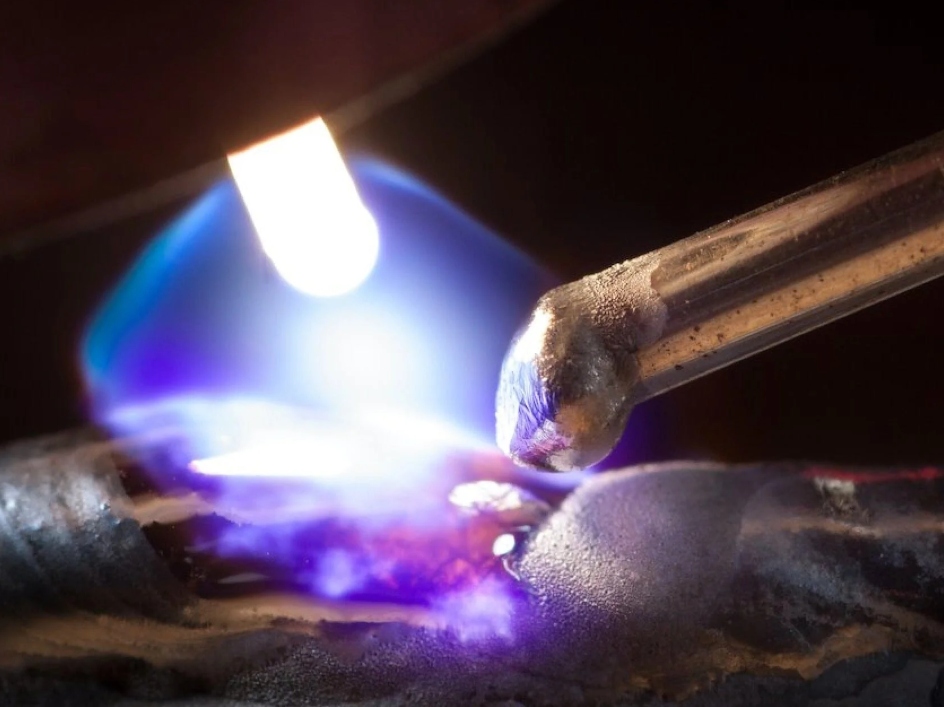
- Post-Flow Time: Set enough post-flow—typically 5 to 15 seconds—so argon continues after the arc stops. That shields the cooling weld bead and the hot tungsten from air contamination.
- Nozzle Size: Choose a larger gas lens setup, such as #7 or #8, for smoother, wider gas coverage. Better flow reduces surface overheating and improves bead appearance.
Decapower TIG Solutions for Precision Projects
Our TIG machines incorporate these control methods through digital features that allow exact adjustments.
The Specialist: PULSE TIG 200
The PULSE TIG 200 is an inverter machine built around a full-bridge design for high-frequency DC TIG work.
- Advanced Pulse Control: Full adjustment of pulse settings suits thin stainless steel and detailed repair jobs.
- HF Start: High-frequency start ignites the arc without touching the workpiece, which avoids tungsten contamination in sensitive applications.
- Stability: The full-bridge circuit produces smoother output and holds the arc steady compared with basic half-bridge designs.
The Versatile Performer: XTRAMIG-200
The XTRAMIG-200 combines GMAW, FCAW, SMAW, and GTAW (Lift TIG) in one compact unit.
- Visual Interface: A 4-inch LCD screen with clear icons shortens setup time noticeably.
- Lift TIG Functionality: Lift TIG offers a contact start when high-frequency interference must be avoided.
- Synergic Mode: Digital controls keep power delivery stable even when switching processes or working on different material thicknesses.
The Professional Multi-Tasker: FUSION PMT-200
The FUSION PMT-200 is a 5-in-1 machine that includes professional HF TIG, along with MIG and MMA capabilities.
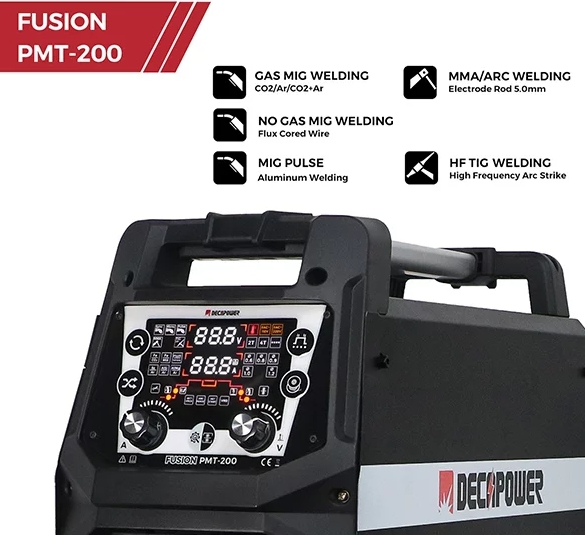
- Integrated HF TIG: Full HF TIG support sets it apart from multi-process units limited to Lift TIG.
- MCU Program Controlled: A fast digital processor manages arc behavior for consistent penetration and low spatter.
- Portable Design: The unit remains easy to move between shop benches and field locations.
Committed to Customized Success
Decapower realizes that off-the-shelf machines do not always match every job requirement. We therefore provide full custom services through our own R&D team and application engineers. Whether a client needs modified technical settings, private labeling via OEM/ODM arrangements, or special packaging and logistics support, we adapt our products accordingly. A partnership with Decapower brings access to equipment shaped for specific welding demands.
FAQ
Q: Why is pulse TIG better for thin materials?
A: Pulse TIG alternates high and low current phases. The brief cooling periods between peaks prevent burn-through and limit distortion on thin stock.
Q: What is the difference between HF TIG and Lift TIG?
A: HF TIG strikes the arc without contact to avoid contaminating the tungsten. Lift TIG requires a light touch and a lift to start the arc.
Q: Can I get a machine with my own branding?
A: Yes. We offers OEM and ODM services that include custom colors, logos, and packaging options.
Q: Does the XTRAMIG-200 support aluminum TIG welding?
A: The XTRAMIG-200 operates on DC only. It works well for steel and stainless, but aluminum TIG generally requires AC capability for best results.