
 Accedi
Decapower Informazioni curate per professionisti, appassionati e educatori.
Rimani aggiornato con le ultime informazioni sulla tecnologia dei nuovi prodotti, le innovazioni e molto altro dall'industria delle macchine per saldatura.



Saldatrici IGBT vs. MOSFET: quale inverter è più adatto alla tua officina?
Il dilemma della saldatura che rallenta i tuoi progetti
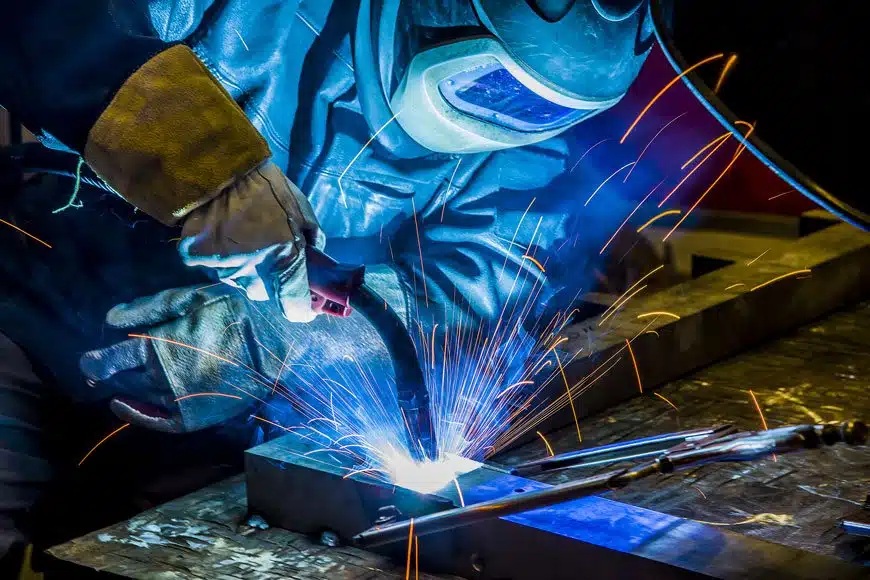
Vi è mai capitato di trovarvi nel bel mezzo di un lavoro importante e di vedere la vostra saldatrice spegnersi per surriscaldamento? O di dover passare ore extra a rimuovere gli schizzi di saldatura dopo aver lavorato su lamiere sottili? Per saldatori, gestori di flotte e responsabili acquisti, questo tipo di problemi alle attrezzature si traducono in perdite di tempo e costi di gestione più elevati.
Decapower Realizziamo macchine multiprocesso per saldatura SMAW, GMAW, GTAW e taglio al plasma. Ci concentriamo sulla risoluzione dei problemi quotidiani che si presentano nelle officine. Quando si cerca una nuova saldatrice a inverter, una decisione fondamentale è: IGBT o MOSFET? Conoscere le reali differenze aiuta a scegliere una macchina che garantisca archi stabili, gestisca il carico di lavoro e ammortizzi il costo più rapidamente nel tempo.
Differenze fondamentali: transistor di potenza IGBT vs. MOSFET
Per scegliere l'inverter giusto per la tua officina, è utile vedere come questi componenti elettronici gestiscono le correnti di saldatura. Iniziamo dallo standard più vecchio.
Cos'è la tecnologia MOSFET e in quali ambiti eccelle?
I MOSFET hanno dato il via alla transizione verso saldatrici a inverter più leggere, sostituendo i vecchi e pesanti trasformatori.
- Elevate velocità di commutazione: i MOSFET funzionano a frequenze molto elevate. Questo crea archi elettrici fluidi, soprattutto a basse correnti.
- Densità dei componenti: parti più piccole significano che le macchine rimangono compatte e facili da trasportare.
- Applicazione ideale: Sono perfetti per piccole officine di riparazione e lavori di manutenzione dove lo spessore del metallo rimane per lo più inferiore a 3-4 mm.
Cos'è la tecnologia IGBT e perché sta rivoluzionando il settore?
Gli IGBT combinano la rapidità di commutazione dei MOSFET con la capacità di gestire tensioni elevate e correnti intense, proprio come i transistor tradizionali.
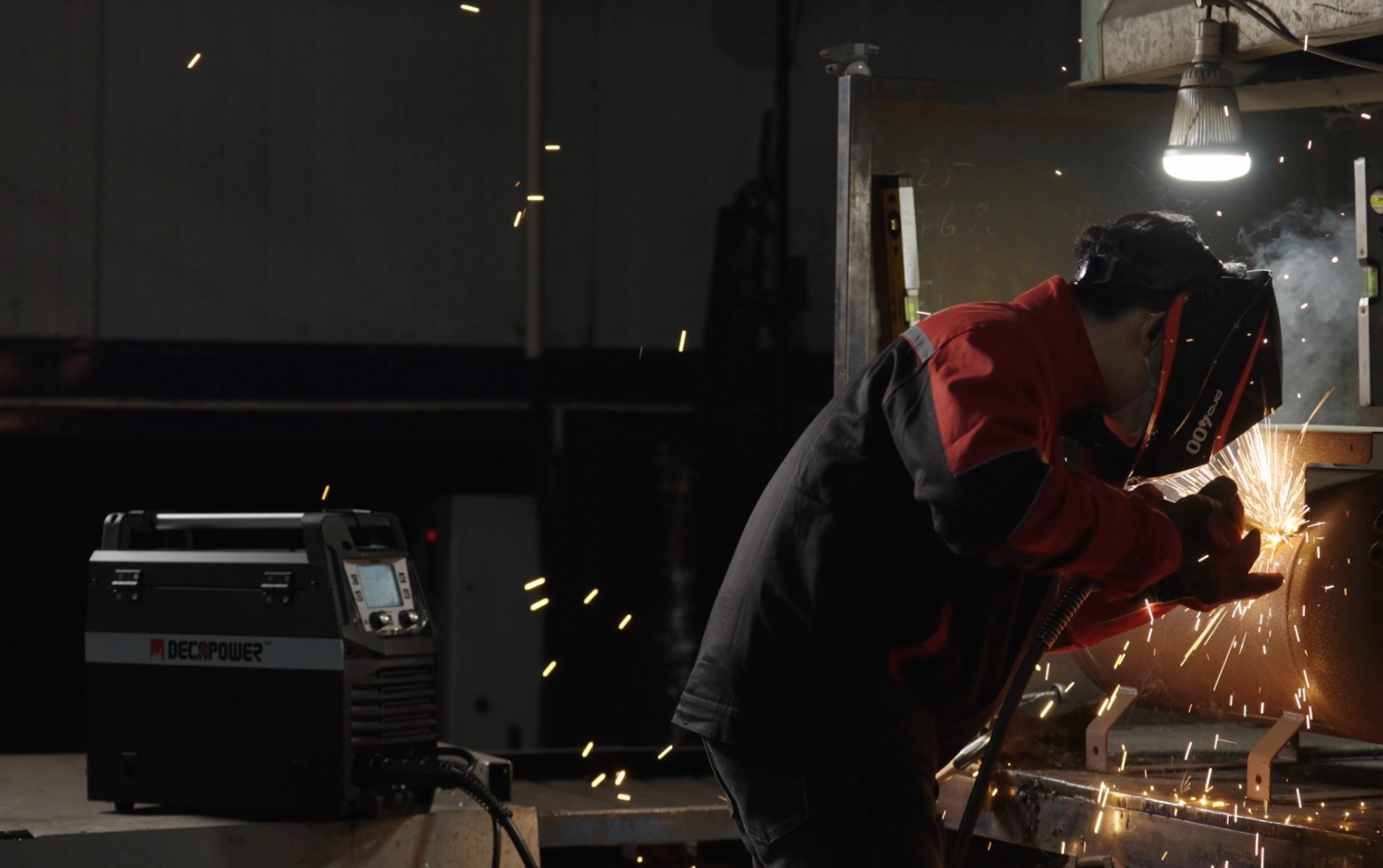
- Elevata capacità di gestione della potenza: un singolo blocco IGBT può sopportare carichi elevati che richiederebbero l'utilizzo di molti MOSFET assemblati.
- Efficienza termica superiore: le configurazioni IGBT producono meno calore e sprecano meno energia durante le lunghe sessioni di saldatura.
- Applicazione ideale: sono adatti per lavorazioni pesanti, processi multipli e linee di produzione a ciclo continuo dove le interruzioni comportano costi aggiuntivi.
Confronto delle prestazioni: quale tecnologia inverter soddisfa le tue esigenze?
I dettagli tecnici forniscono il contesto, ma le prestazioni reali si vedono in officina, sotto pressione. Ecco un confronto tra i due modelli messi alla prova.
Gestione del carico di corrente e termica in condizioni di carico elevato
Nei lavori di carpenteria metallica o nella lavorazione di lamiere spesse, rimanere freschi è fondamentale per la produttività di ogni turno.
- Limitazioni dei MOSFET: quando un MOSFET in un gruppo si guasta, l'intero circuito può bloccarsi e arrestare la linea di produzione.
- La soluzione IGBT: le macchine più potenti utilizzano circuiti a ponte intero con IGBT ad alta potenza.
Prendi il Decapower XTRAMIG 200 o il ULTRAMIG 230Ad esempio, è dotato di blocchi IGBT ad alta potenza e di un buon sistema di raffreddamento. Questa configurazione gestisce correnti elevate e costanti senza frequenti interventi termici ed evita costosi ritardi.
Stabilità e precisione dell'arco per applicazioni multiprocesso
Le diverse lavorazioni richiedono diverse qualità dell'arco per evitare problemi come bruciature o giunzioni deboli.
- Materiali spessi e opere strutturali: l'IGBT mantiene la tensione stabile anche se la potenza in ingresso varia del ±10% a ±15%. I modelli ad alta efficienza garantiscono una solida penetrazione su pezzi spessi in acciaio al carbonio o acciaio inossidabile.
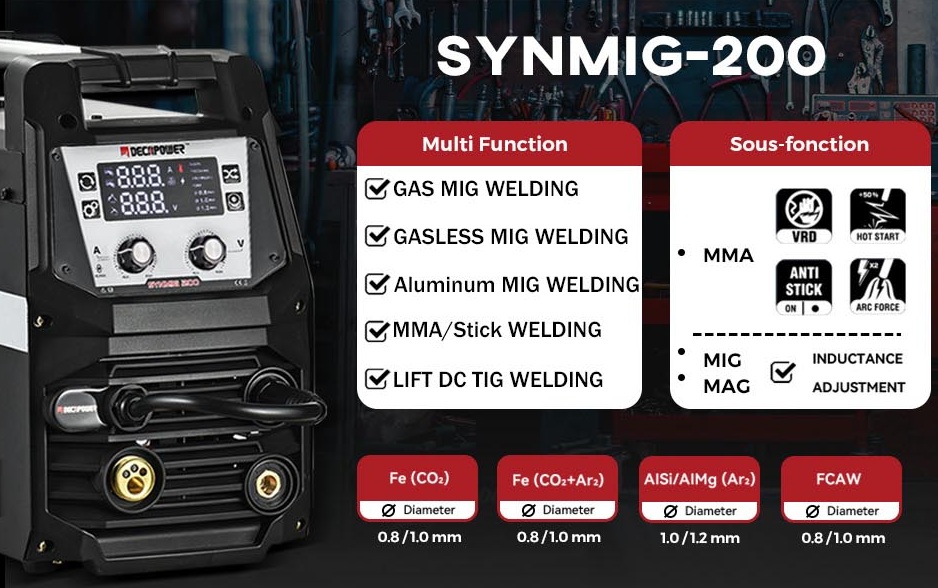
- Materiali sottili e leghe speciali: per la saldatura MIG o TIG su alluminio, le impostazioni a impulsi e a doppio impulso sono utili. Controllano con precisione l'apporto di calore, riducendo la deformazione e gli schizzi sulle parti più leggere. Per lavori di precisione, gli inverter digitali avanzati come il SYNMIG-200offrono un eccellente controllo a basse temperature.
Come Decapower standardizza la tecnologia e i servizi per i mercati globali
Decapower produce macchine multiprocesso per saldatura MMA, GMAW, GTAW e al plasma. Uniamo una solida ingegneria a un supporto pratico per affrontare le sfide nelle officine di tutto il mondo.
Conformità e standard di sicurezza senza compromessi.
Quando si trasportano attrezzature industriali oltre confine, le normative sono fondamentali. I requisiti di sicurezza e legali non possono essere ignorati. Decapower soddisfa i più elevati standard di collaudo, consentendo ai clienti di lavorare in tutta tranquillità.
- La nostra gamma comprende saldatrici con certificazione CE disponibili in numerosi modelli per garantire una qualità costante.
- I distributori e i cantieri europei possono ottenere una saldatrice omologata CE per l'Europa, come la nostra FUSIONE Multi-processoserieche rispetti le norme di sicurezza locali.
- Ogni saldatrice ad arco con marcatura CE viene sottoposta a controlli rigorosi e funziona come una saldatrice conforme agli standard UE.
Che abbiate bisogno di una configurazione multi-processo o di una saldatrice MMA/MIG/TIG dedicata e conforme alla normativa CE, le macchine offrono un buon isolamento elettrico e basse interferenze. Le saldatrici con certificazione LVD/EMC proteggono gli utensili circostanti e mantengono stabile l'arco.
Soluzioni ingegneristiche personalizzate a servizio completo
Le esigenze quotidiane delle officine variano. Le macchine standard spesso non sono sufficienti. Decapower colma questa lacuna con servizi di progettazione e produzione personalizzati, studiati appositamente per il vostro mercato.
- Interfacce utente personalizzate: realizziamo pannelli digitali con schermi LCD da 4 o 4,3 pollici. Icone semplici e una logica intuitiva aiutano i nuovi operatori ad apprendere rapidamente le impostazioni avanzate.
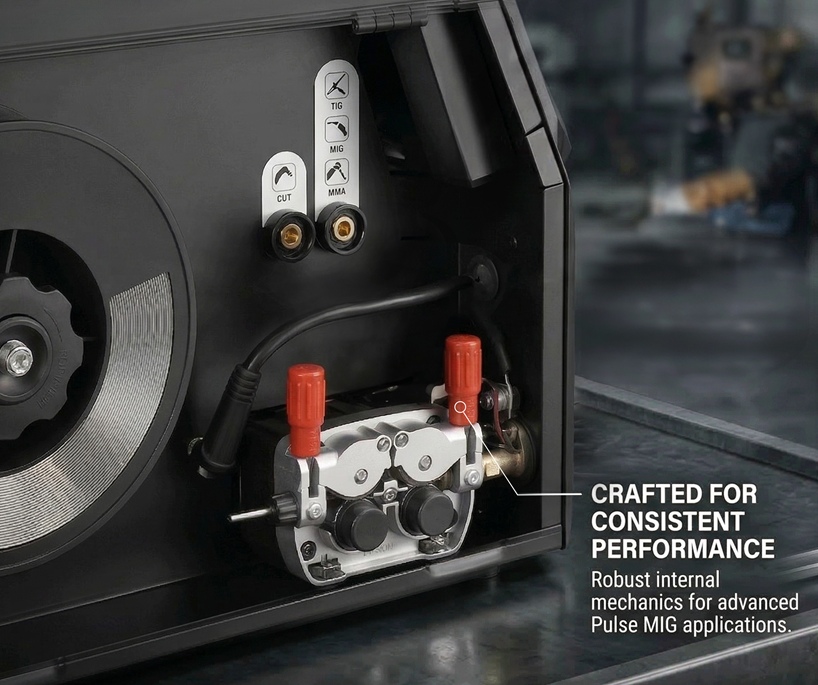
- Configurazioni hardware personalizzate: tra le opzioni sono disponibili circuiti a doppia tensione per 110 V/220 V, integrati in unità compatte come il MINI MMA, e alimentatori di filo a doppio azionamento a 4 rulli per impieghi gravosi, progettati per le vostre specifiche esigenze.
- Personalizzazione del marchio e logistica: Gestiamo custodie personalizzate, imballaggi speciali e termini di spedizione come FOB, CIF o DDP dal nostro stabilimento certificato ISO9001 per soddisfare le vostre esigenze.
Conclusione: scegliere l'inverter giusto per massimizzare la produttività.
La scelta tra IGBT e MOSFET dipende dalla portata del lavoro. Le macchine con MOSFET sono ancora adatte per piccoli progetti amatoriali occasionali. Per le aziende che desiderano maggiore efficienza, meno manutenzione e un funzionamento più sicuro, gli IGBT rappresentano una scelta migliore a lungo termine.
- Per distributori e importatori: aggiungete alla vostra gamma macchine affidabili e conformi alle normative, dal modello base EASY ECO agli strumenti al plasma di livello industriale come l'HF 50P, con il supporto completo per la produzione OEM, ODM e personalizzata.
- Per i responsabili di officina: fornite ai vostri team saldatrici multiprocesso robuste che eliminano i fermi termici e riducono le rilavorazioni dovute agli schizzi.
- Per i saldatori indipendenti: Ottieni archi fluidi e rapidi che offrono prestazioni ottimali su acciaio, acciaio inossidabile e alluminio.
Contatta Decapower oggi Per un preventivo tecnico dettagliato o per parlare con i nostri ingegneri delle vostre esigenze specifiche in materia di apparecchiature personalizzate, contattateci.
Domande frequenti
D: Perché una saldatrice certificata LVD/EMC è importante in un moderno impianto di produzione?
A: Rispetta le norme di sicurezza per la bassa tensione e mantiene basso il rumore elettromagnetico. Ciò impedisce alla saldatrice di causare problemi a macchine CNC, computer e altre apparecchiature sensibili nelle vicinanze.
D: Una saldatrice multiprocesso IGBT è in grado di gestire sia l'acciaio industriale pesante che le lamiere sottili di alluminio?
R: Sì. Gli inverter IGBT digitali utilizzano controlli a impulsi e a doppio impulso. Offrono una forte penetrazione nell'acciaio spesso e impostazioni a bassa temperatura precise per evitare danni all'alluminio sottile.
D: In che modo gli inverter digitali prevengono la deformazione e gli schizzi durante la saldatura di materiali sottili o leghe speciali?
A: Gli inverter digitali avanzati utilizzano impostazioni a impulsi e a doppio impulso. Questi controlli gestiscono con precisione l'apporto di calore, mantenendo la tensione stabile e consentendo una lavorazione di precisione pulita e a bassa temperatura su pezzi più leggeri come l'alluminio.
D: Perché i sistemi di alimentazione del filo a 4 rulli e doppia trazione sono preferiti rispetto alle tradizionali configurazioni a 2 rulli nella saldatura GMAW?
A: Il design a 4 rulli mantiene il filo in posizione uniforme e ne impedisce lo slittamento. Ciò garantisce un'alimentazione costante anche con torce più lunghe, evitando interruzioni dell'arco e difetti di saldatura.