
 Accedi

Decapower Informazioni curate per professionisti, appassionati e educatori.
Rimani aggiornato con le ultime informazioni sulla tecnologia dei nuovi prodotti, le innovazioni e molto altro dall'industria delle macchine per saldatura.







Perché i fogli sottili distorcono e come i saldatori possono prevenirlo
Introduzione
Il costo silenzioso del metallo deformato
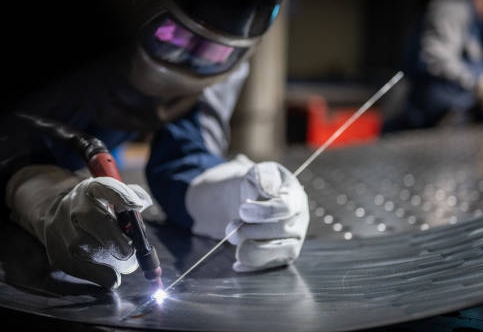
Trascorrete cinque minuti in qualsiasi fab shop, e qualcuno vi mostrerà un pannello di aspetto perfetto che si trasformò in un disordine torto al secondo che la saldatura si raffreddò. Il metallo sottile, qualsiasi cosa al di sotto di 3/32 pollici, non’ t hanno la spina dorsale per combattere il calore. Una buona perlina e l'intero pezzo di tazze, archi o onde come una bandiera. Quel mucchio di rottami costa soldi veri, uccide le scadenze e guida buoni saldatori.
Decapower costruisce macchine che ti consentono di mantenere il calore esattamente dove lo desideri e da nessun altro posto. Dal TIG a pulso al MIG a doppio impulso, realizziamo strumenti che ti aiutano a saldare materie sottili pulite e piatte.
Comprendere la sfida della distorsione del metallo sottile
La scienza dietro la deformazione
Riscalda il metallo e cresce. Raffreddalo velocemente, e vuole restringersi. La saldatura e il metallo proprio accanto a essa si raffreddano più velocemente del resto della lamiera, quindi cercano di tirare tutto più piccolo mentre il metallo freddo combatte. Quella lotta lascia lo stress bloccato nel pannello. Un piatto spesso può prenderlo. Il foglio sottile si piega come carta.
Perché i gauge sottili sono vulnerabili
La roba spessa assorbe il calore e lo diffonde intorno. La roba sottile non ha nulla da bagnare, quindi il calore rimane proprio dove colpisce l'arco. La zona calda diventa grande, il restringimento diventa brutto e il foglio non ha rigidità da spingere indietro. Questo’ Perché un pannello in alluminio da 1/16 pollice può sembrare un chip Pringles dopo un passaggio se si corre troppo caldo.
Tecniche strategiche per ridurre al minimo l'apporto di calore
Controllo dei parametri di arco e saldatura
Mantenere gli amplificatori bassi e muoversi velocemente. Questo’ Regola numero uno. La saldatura a impulso aiuta una tonnellata perché martelli il metallo duro solo per una frazione di secondo, poi torna indietro per lasciarlo raffreddare un capello prima del prossimo impulso. Meno calore totale, zona colpita dal calore più piccola, pannello più piatto.
Serratura e fissaggio corretti
Apparecchiature forti, barre di sostegno in rame, blocchi di raffreddamento in alluminio: tutto ciò che mantiene il foglio piatto e tira via il calore rapidamente. Un vecchio che conosco tiene un secchio di stracci bagnati e li schiaffola sul retro del secondo che la perlina è posta. Funziona come un fascino in inossidabile.
Gestione delle sequenze di saldatura (tack and skip)
Don’ t eseguire un naso lungo perlina alla coda. Collegare l'intera giunzione prima - piccoli punti di 1/4 di pollice ogni due pollici. Quindi salta: salda un pollice qui, salta quattro pollici, salda un altro pollice. Lasciamo’ è un posto fresco mentre lavori altrove. Fai un passo indietro nello stesso modo: salda verso l'inizio invece che lontano da esso. Mantiene il calore diffuso e il pannello felice.
Scegliere lo strumento giusto per il controllo di precisione (soluzioni Decapower)
GMAW avanzato per la gestione termica
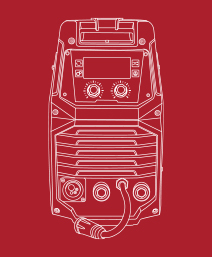
Prodotto in evidenza: ULTRAMIG-230 esperto doppio impulso MIG alluminio saldatrice
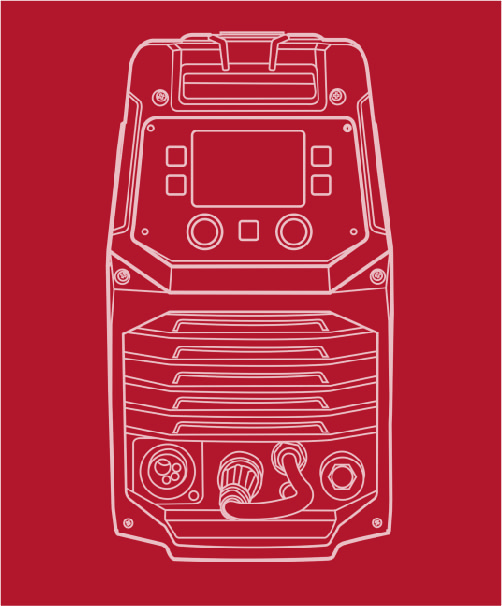
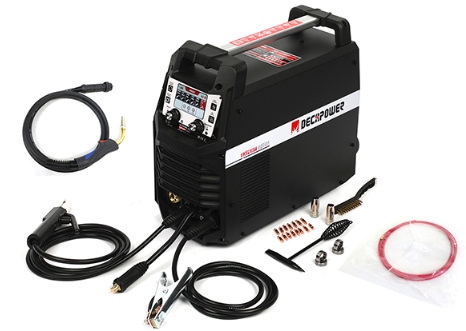
L'ULTRAMIG-230 EXPERT è progettato per negozi che saldano un sacco di alluminio sottile e acciaio inossidabile. Cervello digitale completo, pulso singolo, doppio pulso, sinergico o manuale, qualunque cosa ti serve.
Il doppio pulso è la caratteristica killer sulle cose sottili. Sembra una pila di centesimi ma corre tre volte più veloce di TIG. Un impulso controlla la penetrazione, il secondo mantiene la perlina bella e il calore basso. I ragazzi che fanno pannelli per auto o scafi di barche dicono di tagliare la distorsione a metà e spruzzare quasi a zero.
GTAW ad alta precisione per una distorsione minima
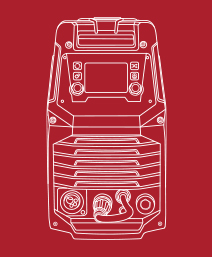
Prodotto in evidenza: PULSE TIG 200 AMP TIG Inverter saldatrice
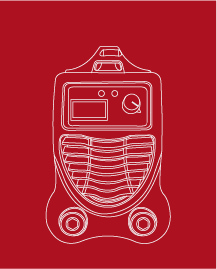
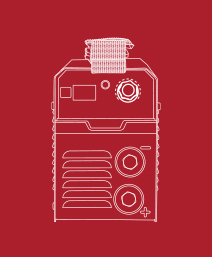
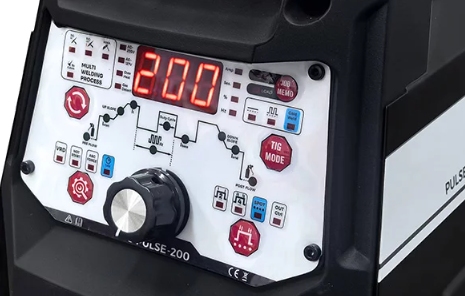
Il PULSE TIG 200 è un inverter compatto a ponte completo con impulso, avvio HF o sollevamento.
Pulse TIG è il go-to per qualsiasi cosa sottile e elegante: inossidabile, titanio, alluminio. Impostare amplificatori picco abbastanza alto da sciogliersi e sfondo abbastanza basso da appena tickle il foglio. La pozza si congela tra pulsi, quindi il metallo non ha mai la possibilità di surriscaldarsi. I saldatori che fanno serbatoi aerospaziali o alimentari vivono in questo ambiente.
La versatilità della tecnologia multiprocesso
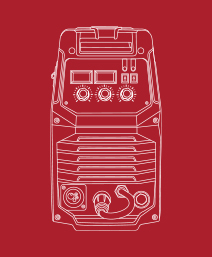
Prodotto in evidenza: Fusion PMCT-205 saldatore multiprocesso 6 in 1 Tagliatore
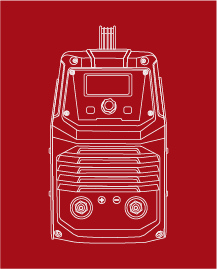
Il PMCT-205 fa tutto: MIG sinergico, MIG manuale, MIG a impulso, stick, HF TIG e taglio al plasma. Rotala ovunque.
Un giorno tu’ re pulsando MIG su alluminio sottile, il giorno dopo tu’ re HF TIG su inossidabile, poi bastone nel campo quando la potenza’ è sporco. Avere opzioni a basso calore in una scatola significa sempre scegliere il processo che mantiene il foglio piatto.
Il vantaggio di Decapower: soluzioni su misura
Attrezzature su misura per prestazioni ottimali
Off-the-shelf funziona per la maggior parte dei lavori, ma a volte il lavoro è strano. I nostri ingegneri amano lo strano. Dicici il materiale, lo spessore, la posizione, il tipo di giunto e come deve apparire la saldatura - noi’ ll sintonizzare la forma d'onda o costruire l'intera macchina intorno ad esso. L'OEM di piccola gestione è roba quotidiana per noi.
Impegno per la tecnologia forward-thinking
Ascoltiamo i saldatori, poi costruiamo quello di cui hanno davvero bisogno. Doppio impulso sull'ULTRAMIG è venuto direttamente da negozi di barche in alluminio che chiedevano saldature più veloci che non’ t warp. Questo’ Come ci muoviamo: trovare il dolore, risolvere il dolore.
Conclusione
Il metallo sottile si deforma quando si versa troppo calore e si lascia raffreddare in modo errato. Serratura intelligente, saldatura raffreddata, saltare e eseguire macchine che ti danno un vero controllo sull'arco. Scatole decapotenza come ULTRAMIG-230 EXPERT, PULSE TIG 200 e FUSION PMCT-205 rendono facile mantenere il calore basso e il pannello piatto. Hai bisogno di qualcosa costruito esattamente per il tuo lavoro? Parla con noi, lo facciamo anche noi.
Domande frequenti
D: Perché Pulse MIG aiuta su fogli sottili?
R: Esplode solo tutta la potenza per una frazione di secondo, poi scende basso per lasciare che il metallo si raffreddi - meno calore totale, molto meno deformazione.
Q: Decapower può costruire una macchina solo per il mio negozio?
A: Sì, dacci i dettagli, e noi’ ll cucinare una scatola personalizzata, anche per piccole esecuzioni.
Q: Cosa’ s così grande su Double Pulse per alluminio?
A: Sembra TIG, funziona velocemente come MIG, mantiene il calore abbastanza basso che i pannelli sottili rimangano piatti.
D: Qualsiasi suggerimento rapido per incollare sulle cose sottili?
A: piccola barra, amplificatori bassi, muoversi velocemente - 6013 in 5/64 o 3/32 lo fa quando non hai scelta.