
 Iniciar sesión



Decapower Información curada para profesionales, aficionados y educadores.
Manténgase al día con la última información sobre la tecnología de nuevos productos, innovaciones y más de la industria de la máquina de soldadura.







¿Soldadura MIG, TIG o de electrodo revestido para acero inoxidable? Guía de selección
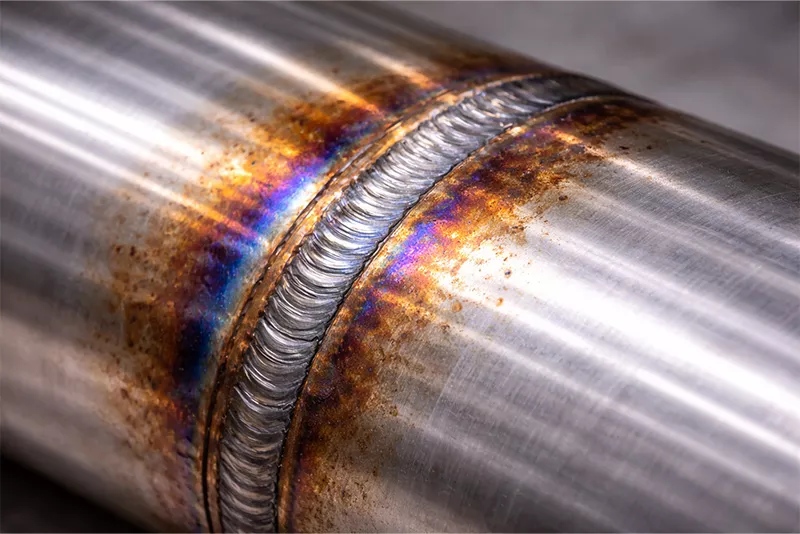
Trabajar con acero inoxidable suele ser una relación de amor-odio para muchos fabricantes. Si bien el resultado brillante y resistente a la corrosión es increíblemente satisfactorio, llegar a él está plagado de trampas técnicas. DecapowerComo fabricante líder especializado en soluciones de máquinas de soldadura digitales con certificación CE, llevamos una década escuchando las frustraciones relacionadas con el proceso de soldadura de acero inoxidable. Ya sea que se trate de láminas delgadas que se deforman con el calor o de la oxidación por "azúcar" en una junta crítica, seleccionar el método adecuado es fundamental.
Los desafíos únicos de la soldadura de acero inoxidable
Comprender por qué el acero inoxidable se comporta de manera diferente es el primer paso para dominar el proceso de soldadura de este material. A diferencia del acero al carbono, tiene baja conductividad térmica y alta dilatación térmica.
Sensibilidad al aporte de calor y a la distorsión
Controlar la temperatura es el factor más crítico al soldar acero inoxidable para evitar fallas estructurales.
- Acumulación de calor: Debido a que el calor permanece concentrado en la soldadura, a menudo provoca perforaciones en calibres delgados, como los de los equipos de cocina comerciales.
- Expansión térmica: Una expansión significativa cuando está caliente puede causar "enredos" en las configuraciones MIG si el cable se expande demasiado dentro de la punta de contacto.
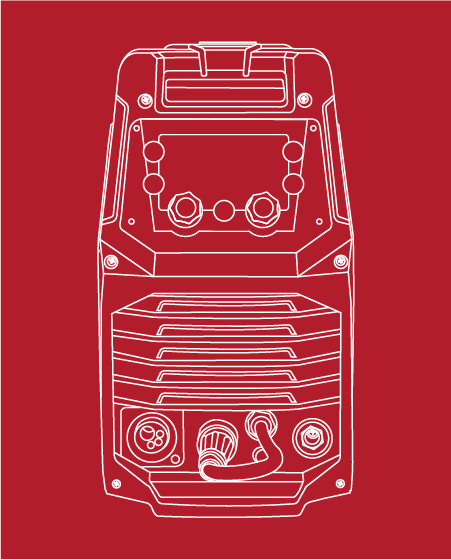
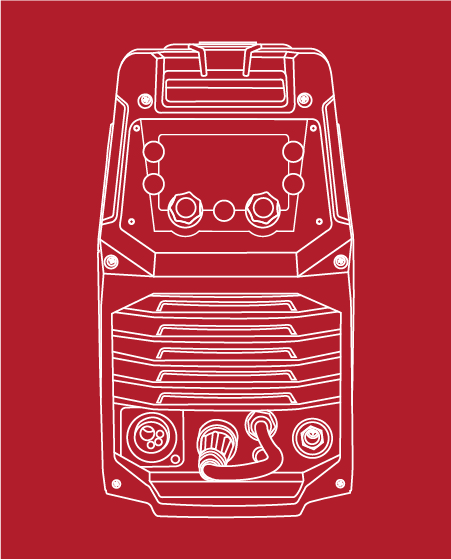
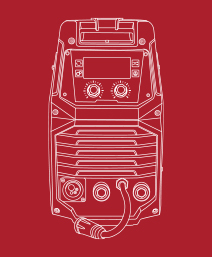
- Control de precisión: Nuestras unidades europeas con certificación CE, como la ULTRAMIG-230Utilizan circuitos de control digital para lograr una gestión precisa del calor y minimizar la distorsión.
Oxidación y decoloración (en el proceso de azucarado)
Sin el gas de protección adecuado, el acero inoxidable puede perder las propiedades que le confieren resistencia en trabajos exigentes.
- Pérdida de resistencia a la corrosión: El calor intenso o un flujo de gas débil pueden provocar la formación de cristales de cromo. El cromo entra en contacto con el aire y crea una superficie propensa a la oxidación con el tiempo.
- Mezclas de gases: Al soldar acero inoxidable con MIG, la mezcla adecuada, como 98% Ar + 2% O2, ayuda a mantener un aspecto liso y limpio.
- Selección de boquilla: Elija una boquilla de 6-7 mm para soldar acero inoxidable con TIG. Esta cubre la soldadura y el área circundante para evitar daños por aire durante el proceso.
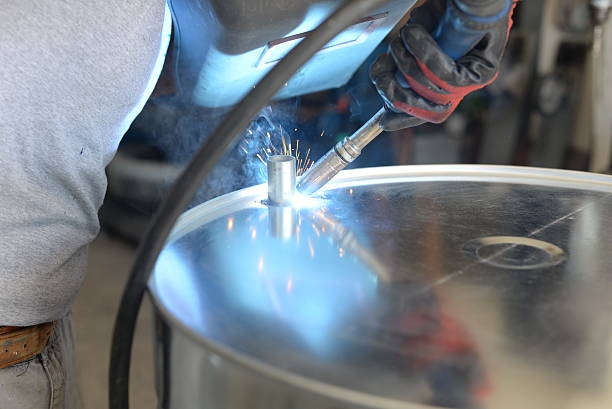
¿Cómo elegir el proceso adecuado: MIG, TIG o electrodo revestido?
Cada método tiene su lugar en el taller, y una soldadora MMA/MIG/TIG que cumpla con la normativa CE ofrece la máxima flexibilidad para elegir en función de la aplicación específica.
Soldadura MIG de acero inoxidable: Eficiencia para la producción
La soldadura MIG es el proceso idóneo para uniones largas y materiales más gruesos, donde la velocidad es la principal prioridad.
- Alta productividad: Es significativamente más rápido que la soldadura TIG, lo que lo hace ideal para la fabricación de tanques de almacenamiento industriales o componentes automotrices a gran escala.
- Tecnología de pulsos avanzada: la ULTRAMIG-230 de Decapower cuenta con MIG de doble pulso, que alterna la corriente para reducir el aporte de calor y minimizar las salpicaduras, lo que proporciona una apariencia "similar a la TIG" con la velocidad de la MIG.
- Control sinérgico: Nuestra tecnología Active Synergy permite incluso a los principiantes soldar acero inoxidable de forma eficaz, ya que ajusta automáticamente la velocidad del alambre al voltaje correcto para el proyecto de soldadura de acero inoxidable.
Soldadura TIG de acero inoxidable: precisión para la estética
En muchas soldaduras, la apariencia es tan importante como la resistencia. En esos casos, la soldadura TIG de acero inoxidable suele ser la mejor opción.
- Materiales ultrafinos: Un arco estable hace que la soldadura TIG de acero inoxidable sea ideal para láminas delgadas y tubos pequeños. Estas piezas se utilizan en la industria aeroespacial y en instrumental médico.
- Control del calor: Este proceso permite al soldador mantener la fuente de calor alejada del metal de aporte. Esto proporciona un mejor control del baño de fusión.
- Resultados profesionales: El XTRAMIG-200Incluye la función Lift TIG. Proporciona un inicio limpio, lo que resulta útil para proyectos de ebanistería y arte de alta calidad.
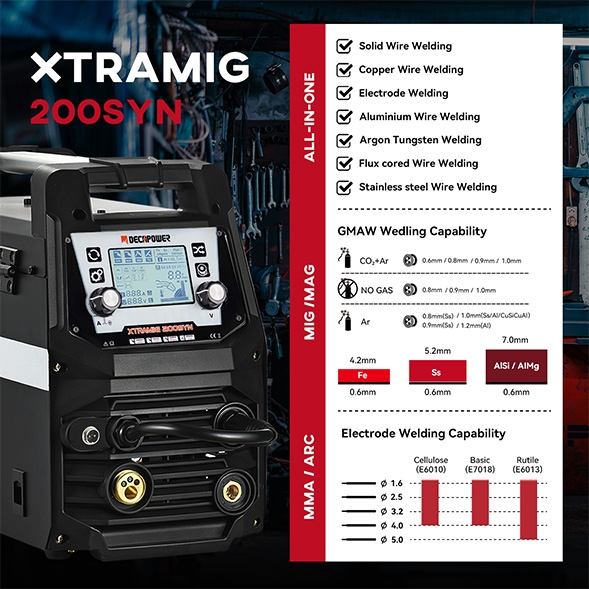
Soldadura por arco de acero inoxidable: versatilidad para el mantenimiento.
Para reparaciones al aire libre o trabajos en metales contaminados, la soldadura por arco con electrodo revestido de acero inoxidable sigue siendo una opción fiable y portátil.
- Movilidad en campo: Al no requerir gas de protección externo, es la mejor opción para reparaciones in situ de maquinaria agrícola o arreglos estructurales al aire libre.
- Resistencia ambiental: Es mucho más tolerante a las condiciones de viento que la soldadura MIG o TIG, lo que la convierte en un elemento básico para los equipos de mantenimiento.
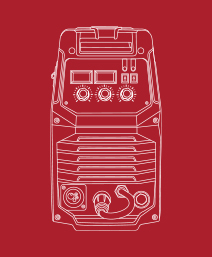
- Potencia compacta: La LITEARC 160 es una soldadora de arco altamente portátil con marcado CE que proporciona un arco estable para electrodos de acero inoxidable, perfecta para trabajos de reparación "rápidos y sobre la marcha".
La ventaja del procesamiento multiproceso: Mejores prácticas con Decapower
¿Por qué elegir una cuando puede tenerlas todas en una sola máquina de soldar que cumple con las normas de la UE? Nuestras máquinas multiproceso están diseñadas para simplificar los flujos de trabajo más complejos.
Transición sin problemas entre procesos
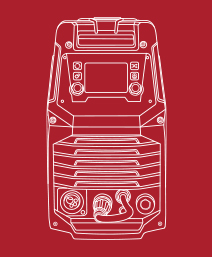
Usando una máquina 6 en 1 como la FUSIÓN PMCT-205 Permite a los fabricantes gestionar cada etapa de un proyecto de acero inoxidable.
- Corte inicial: Utilice la función de corte por arco piloto sin contacto HF CUT para dar forma con precisión a sus láminas de acero inoxidable con bordes limpios de hasta 22 mm.
- Soldadura por puntos de precisión: Cambie a la soldadura TIG de acero inoxidable para las soldaduras por puntos visibles y las esquinas con detalles precisos, donde la precisión es primordial.
- Relleno estructural: Termine rápidamente las largas juntas de soporte estructural utilizando soldadura MIG de acero inoxidable para ahorrar horas de trabajo y reducir la zona afectada por el calor.
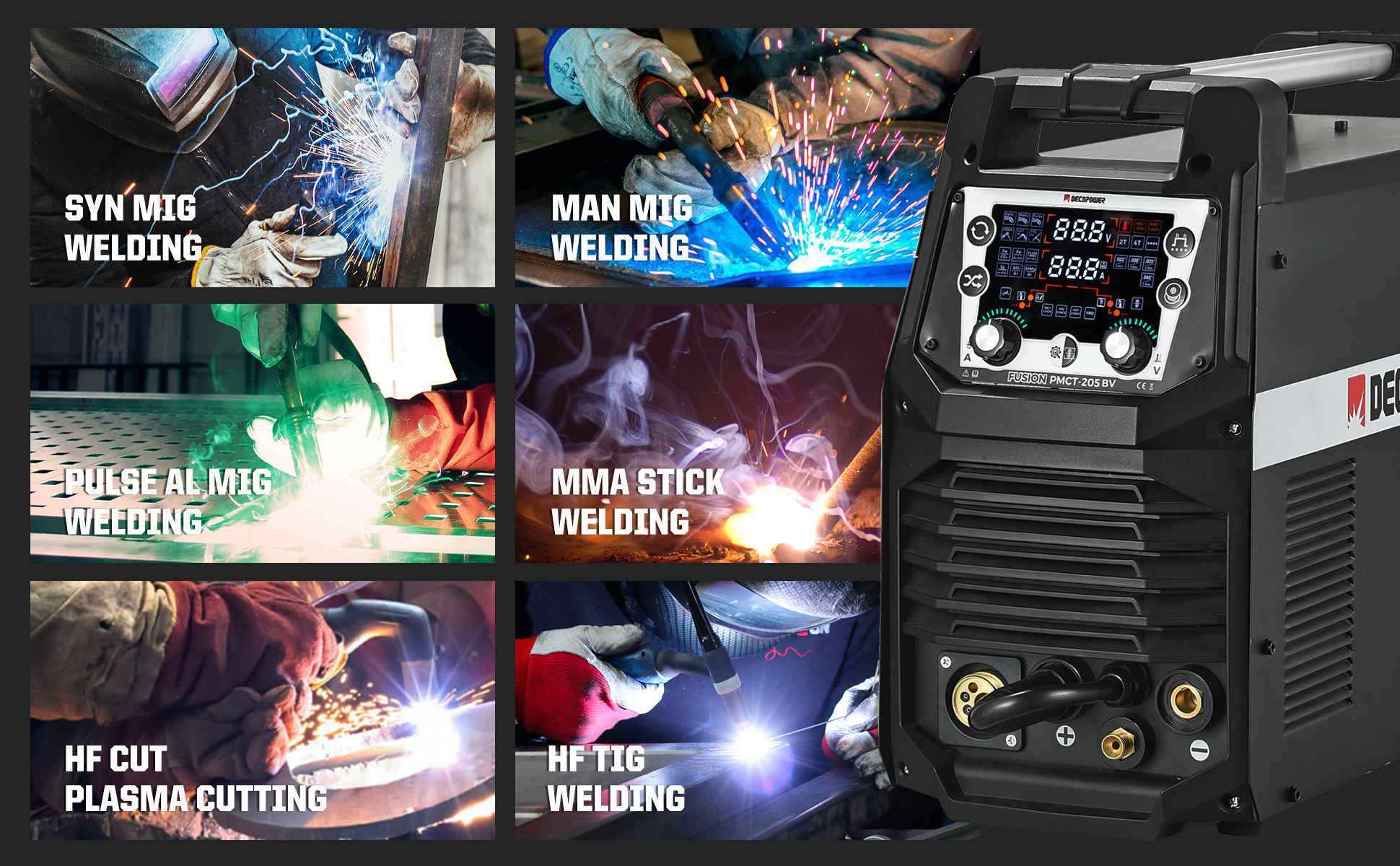
Soluciones personalizadas para proyectos únicos
Reconocemos que la configuración estándar de fábrica no siempre satisface las exigencias de las aplicaciones industriales especializadas, por lo que ofrecemos soporte personalizado.
- Ingeniería de aplicaciones: Nuestro equipo especializado de I+D puede proporcionar distribución personalizada y software adaptado a perfiles de pulsos industriales específicos.
- Interfaz de usuario: Ofrecemos diseños de iconos personalizados en nuestras pantallas LCD de 4 pulgadas para garantizar que sus parámetros específicos de soldadura de acero inoxidable estén siempre a la vista.
- Adaptación de hardware: Desde longitudes de antorcha personalizadas hasta rodillos de arrastre de alambre especializados, nos aseguramos de que el equipo se adapte al trabajo, y no al revés.
Parámetros recomendados para la soldadura de acero inoxidable
Configurar correctamente los ajustes es fundamental para que una máquina de soldar con certificación LVD/EMC rinda al máximo.
Ajustes basados en el espesor para MIG y TIG
Un proyecto exitoso de soldadura de acero inoxidable comienza con los ajustes correctos de amperaje y flujo de gas.
- Chapa delgada (1-2 mm): Utilice MIG pulsado a 40-70 A o TIG a 50-80 A. El argón de alta pureza es esencial para TIG, mientras que MIG a menudo se beneficia de una mezcla de Ar+CO.2o Ar+O2
- Placa mediana (3-5 mm): Para la soldadura MIG de acero inoxidable, 120-160 A con alambre de 0,8 mm o 1,0 mm proporciona la mejor penetración sin sobrecalentamiento.
- Flujo de gas: Asegúrese de un caudal de 10-15 L/min para TIG y ligeramente superior para MIG para garantizar que el baño de fusión nunca esté expuesto al oxígeno.
Control avanzado con lógica digital MCU
Las máquinas Decapower utilizan chips MCU avanzados para proporcionar un arco más suave y funciones más inteligentes para el proceso de soldadura de acero inoxidable.
- Almacenamiento de notas de trabajo: guarde hasta 10 conjuntos de parámetros personalizados en la función "Nota de trabajo", lo que le permitirá recuperar instantáneamente la configuración perfecta para tareas recurrentes de acero inoxidable.
- Respuesta dinámica: La unidad de control digital ajusta la corriente cientos de veces por segundo, lo que reduce significativamente las salpicaduras y el tiempo de limpieza posterior a la soldadura.
- Características de seguridad: Las funciones integradas de VRD, arranque en caliente y antiadherencia garantizan que, incluso durante tareas difíciles de soldadura por arco con electrodo revestido en acero inoxidable, el operario se mantenga seguro y productivo.
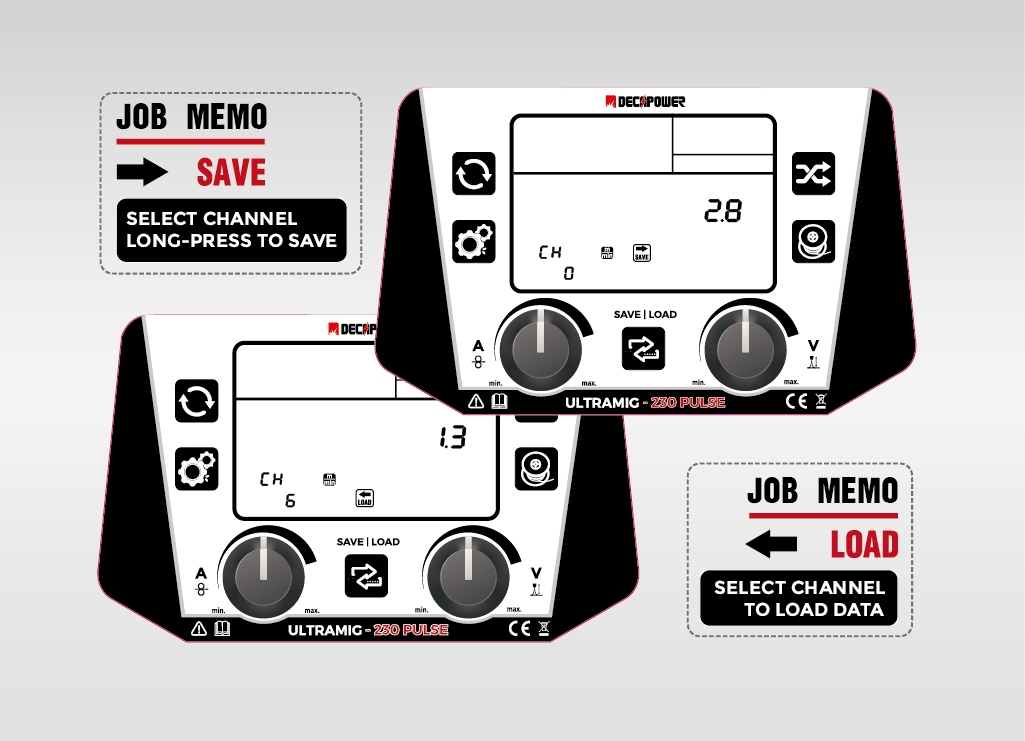
¿Qué solución de Decapower es la adecuada para usted?
- Para aficionados y creadores: Experimente el toque profesional con nuestra serie FLUXMIG: sencilla, intuitiva y conforme a la normativa CE para su taller doméstico.
- Para el profesional industrial: actualice a la ULTRAMIG-230 EXPERT. Obtenga la dinámica de doble pulso que necesita para la soldadura de acero inoxidable de alta gama sin el sobreprecio de las marcas de alta gama.
- Para el distribuidor global: Asóciese con un fabricante de confianza. Ofrecemos servicios OEM/ODM personalizados y máquinas de soldar con certificación LVD/EMC para ayudarle a dominar su mercado local.
CContacta con Decapower hoy ¡Solicite una solución de soldadura personalizada para sus proyectos específicos de acero inoxidable!
Preguntas frecuentes
P: ¿Puedo soldar acero inoxidable con una soldadora MIG estándar?
A: Sí, pero debe usar alambre de acero inoxidable y el gas de protección correcto (como Ar/CO₂).2 o Ar/O2) para prevenir la oxidación.
P: ¿Por qué se está poniendo negra mi soldadura de acero inoxidable?
R: Esto suele deberse a un calor excesivo o a una cobertura insuficiente de gas protector, lo que provoca una oxidación intensa.
P: ¿Es la soldadura MIG de doble pulso realmente mejor que la soldadura TIG para acero inoxidable?
R: Es mucho más rápido y fácil de aprender, aunque la soldadura TIG sigue ofreciendo la máxima precisión para materiales extremadamente delgados.
P: ¿Necesito secar mis electrodos de acero inoxidable?
R: Sí, la humedad en el recubrimiento puede provocar inestabilidad del arco eléctrico y porosidad. Se recomienda secarlos a 150-200 °C durante una hora.