
 Signar


Decapor Informação curada para Profissionais, Hobistas e Educadores.
Fiquem atualizados com as últimas informações sobre novas tecnologias de produtos,inovações e mais da indústria de Sueldagem.







Full-Bridge vs. Half-Bridge: Which Architecture Survives the Toughest Job Sites
Picture a long repair shift on a distant construction site. The light fades, the schedule presses, and your welding machine suddenly shuts down from heat buildup. For welders who earn their living on the job, that kind of breakdown costs time, money, and trust. The root cause usually traces back to the machine’s main power circuit. Whether it runs a Half-Bridge or Full-Bridge setup directly affects how long it can weld without stopping, how well it sheds heat, and how reliably it holds up under rough conditions.
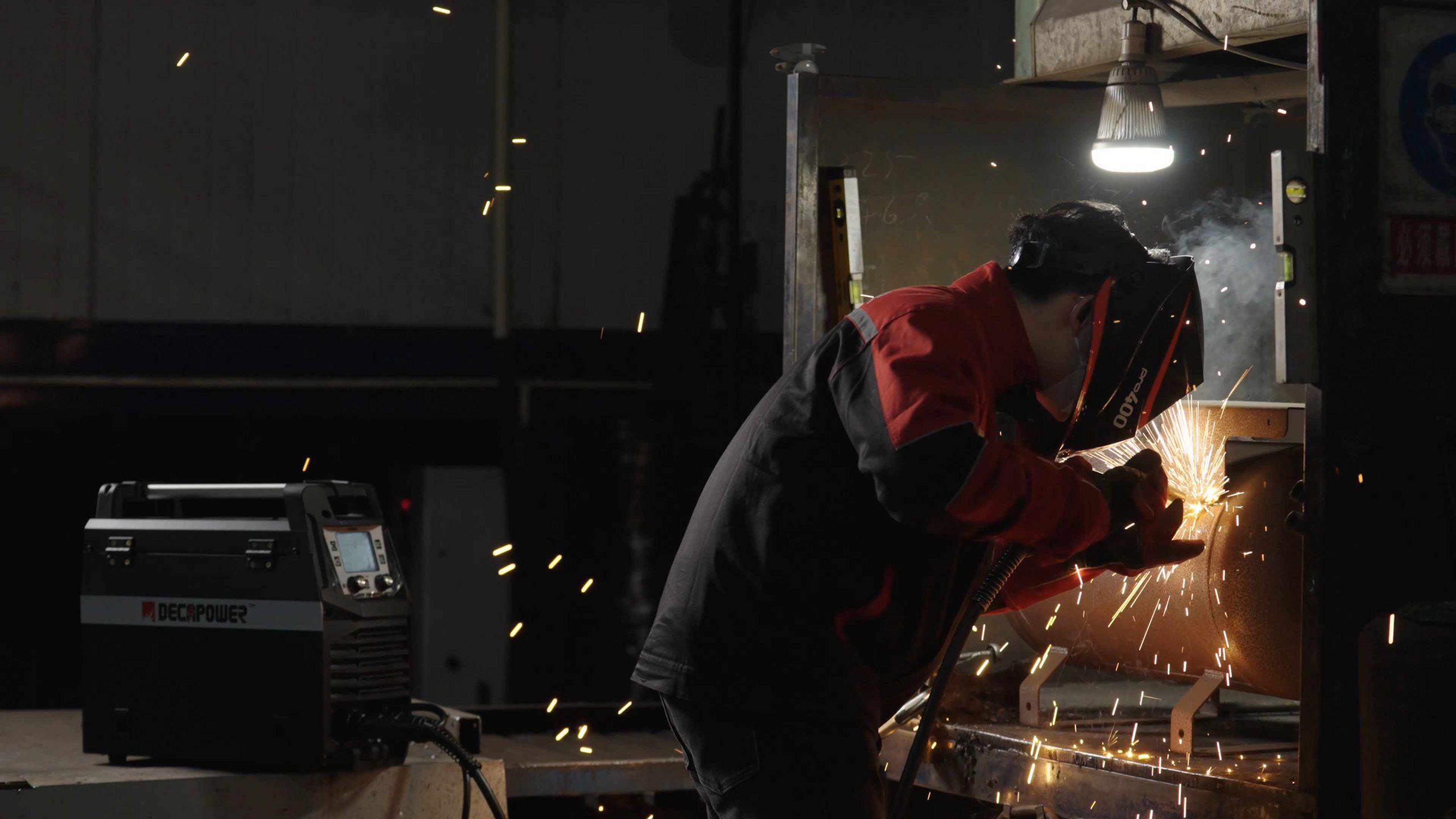
Em Decapower, we concentrate on connecting modern digital controls with the hard demands of real work sites. As a maker of digital MCU-controlled welders and multi-process units, we see clearly that no single machine suits every user. Our aim stays simple: match the right welding tool to the task, whether for someone working in a garage or a crew handling heavy steel structures.
Understanding Circuit Architectures in Modern Welding
The inverter section forms the core of any modern welder. It converts input power into a stable welding arc for clean, high-strength welds.
Half-Bridge: Efficiency for the Moving Welder
A Half-Bridge design normally relies on two IGBT power modules. That arrangement keeps many portable welders compact and light enough to carry easily.
- Component Efficiency: Fewer costly parts go inside, which brings the price down.
- Application Focus: It suits jobs that involve frequent moves around a site.
- Power Dynamics: The setup runs efficiently yet usually offers a shorter duty cycle—often about 3-4 minutes of steady welding at 25°C before a break becomes necessary.
Full-Bridge: Muscle for Industrial Endurance
A Full-Bridge circuit, by comparison, employs four to eight high-capacity IGBTs. Extra power modules allow the machine to manage heavier current loads with better steadiness.
- Load Stability: The design fits heavy industrial tasks where steady output under high demand remains critical.
- Duty Cycle: Machines built this way commonly manage 6-7 minutes of continuous welding at the same temperature before cooling off.
- Durability: Added components give the system more breathing room, so individual parts face less strain during extended runs.
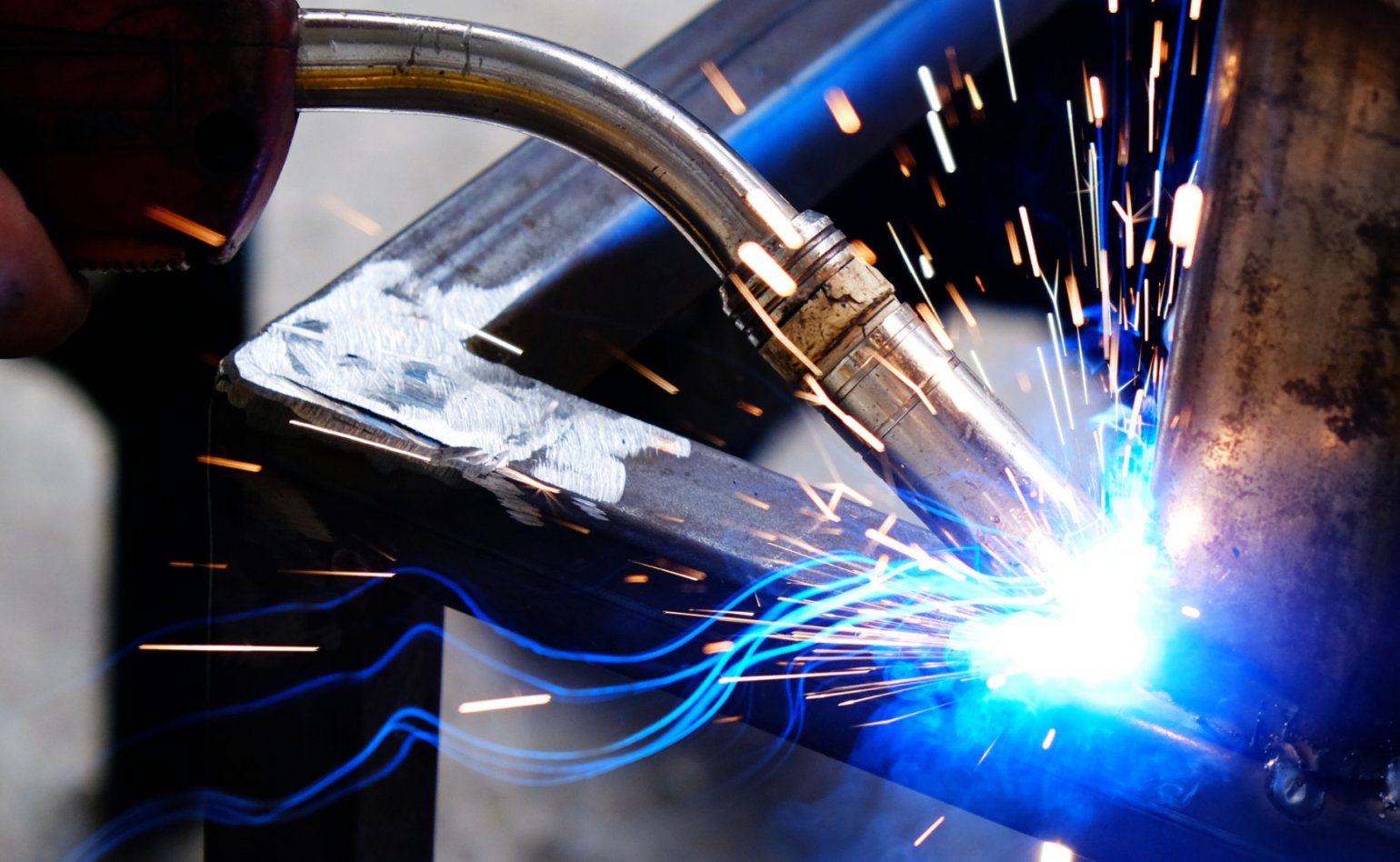
The decision between the two comes down to your typical work and the materials you join. Decapower develops particular models to handle each situation well, so the arc stays consistent whether the need calls for quick mobility or sustained strength.
Top-Tier Architectures for Real-World Challenges
To make the choice clearer, we highlight three models from the Decapower range that address common field difficulties.
The ULTRAMIG-230 EXPERT: Full-Bridge Industrial Power
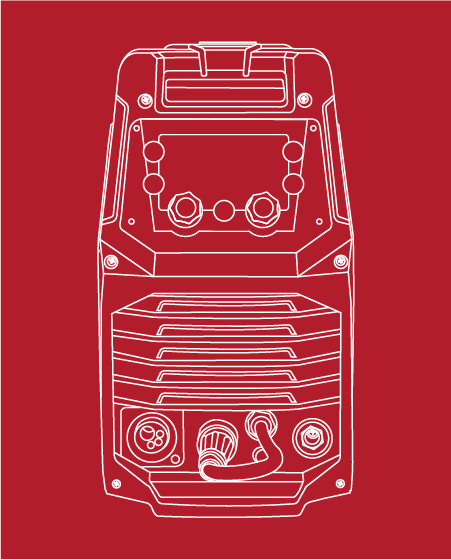
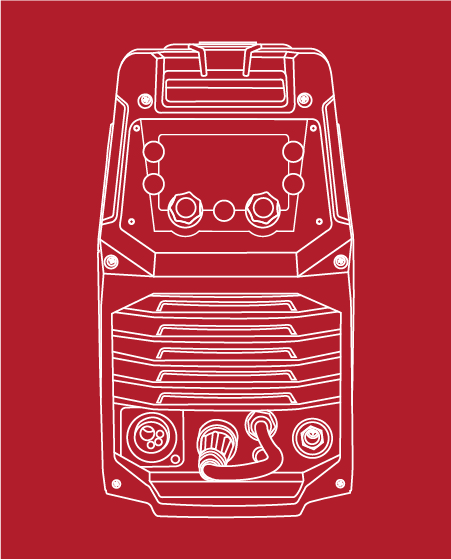
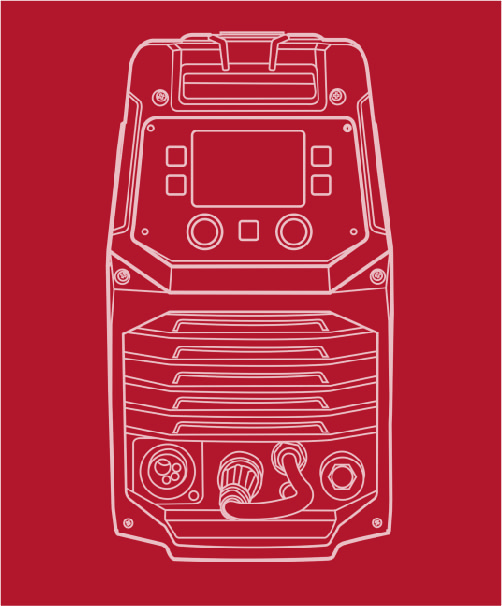
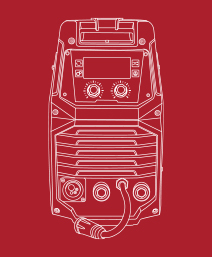
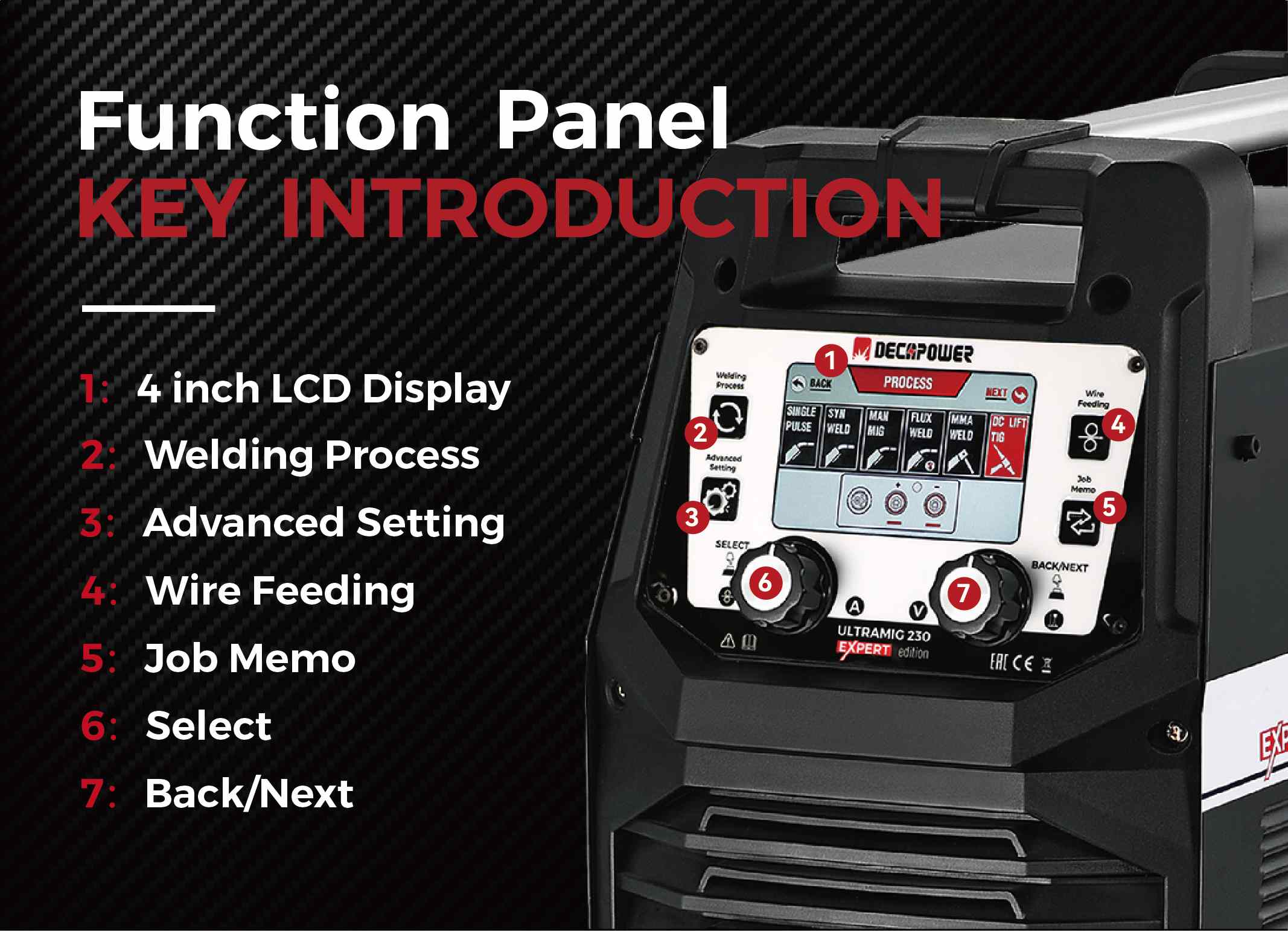
O EXPERTE ULTRAMIG-230 stands as our leading Full-Bridge example, fitted with eight high-power IGBTs and full digital control.
Product Features:
- A 4-inch LCD screen displays clear icons for fast setup.
- A 4-roller, double-driven wire feeder keeps wire delivery smooth.
- The “Job Memo” function stores up to 10 sets of custom parameters.
Where to Use:
- Light Industrial Manufacturing: Well-suited to repeated welding on steel frames during full-day production runs.
- Aluminum Fabrication: The Double Pulse MIG mode controls heat closely and reduces burn-through risk on thin sheets.
- Complex Assemblies: Strong cooling keeps the machine stable through sudden high-current demands in active shops.
The ECOARC 200: Half-Bridge Portability and Precision
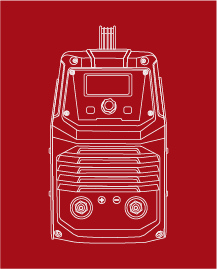
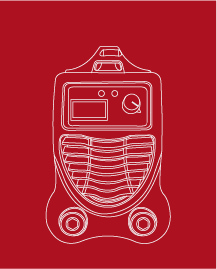
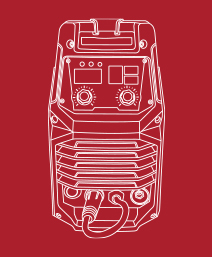
The ECOARC 200 delivers top Half-Bridge performance for users who shift between short fixes and smaller projects.
Product Features:
- IGBT inverter with MCU control handles synergic settings accurately. Compact and light for transport in a regular vehicle. Digital display shows current settings plainly.
Where to Use:
- Metal Body Works: Fits easily in tight garage bays for quality panel repairs.
- Outdoor Maintenance: Runs on standard household outlets while keeping a steady arc for home-level jobs.
- Field Repairs: Lightweight makes it practical to carry up ladders or out to remote fencing for quick tacks.
The FUSION PMCT-205: The Multi-Process Hybrid
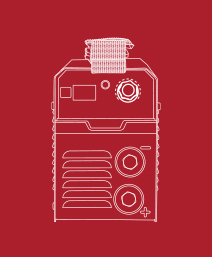
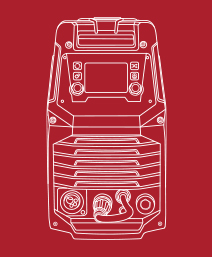
O FUSÃO PMCT-205 packs six functions into one portable package: MIG (Synergic/Pulse), MMA, HF TIG, and HF Plasma Cutting.
Product Features:
- Six-in-one setup removes the need for several separate machines on site.
- High-Frequency start works cleanly for both TIG and Plasma Cut.
- Solid cutting and welding ability in a carry-friendly frame.
Where to Use:
- Mobile Workshop Maintenance: One unit cuts out a worn section and welds the replacement right away from a service truck.
- On-Site Prototyping: Switches smoothly between precise TIG work and Plasma prep on thicker plates.
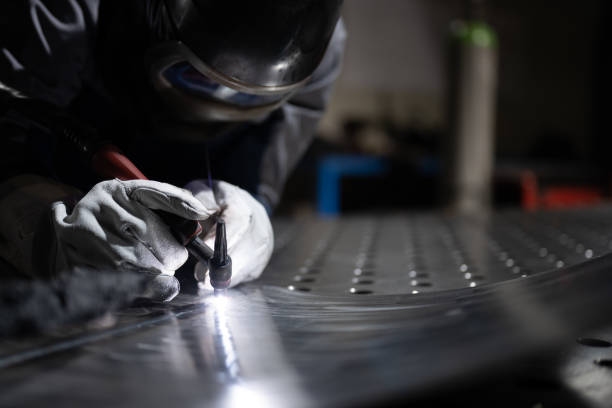
- Beginner Professional Education: Eases multi-process learning while delivering results close to experienced standards.
Tailoring Performance with Customized Solutions
Decapower knows many jobs demand more than catalog models. We focus on the customer first and build solutions rather than just units.
Our R&D group and application engineers stand ready to adapt machines for a better fit. Whether you need specific hardware changes as an OEM buyer or branded units as a distributor, we handle the task. Hardware, software, and packaging adjust to local conditions or particular trades. Working together means you gain a reliable ally focused on your continued progress.
No matter your experience or project size, Decapower offers a fitting option.
- For the Hobbyist and Maker: Professional arc quality arrives in a machine, simple to learn and suited to home setups.
- For the Professional Contractor: Full-Bridge toughness handles dust, heat, and long cycles without frequent stops.
- For the Global Distributor: OEM/ODM services supply certified welders tailored to your market and customers.
Contacte-nos: Make Welding Easy for Everyone!
FAQ
Q: How does the “Hot Start” feature actually help on a job site?
A: Hot Start pushes extra current at arc start. It proves especially useful with damp rods or rusty surfaces since it stops sticking and gives a clean beginning every time.
Q: Is “Double Pulse MIG” really worth the extra investment for aluminum welding?
A: Yes. The two-level current control manages heat input carefully. That produces neat, scale-like beads with little spatter and far less chance of burning through thin aluminum.
Q: Can I run these modern inverter welders on a portable generator?
A: Yes. Decapower units work with generators. Still, the generator must deliver steady power; a weak or undersized unit can cause voltage swings that harm the welder’s electronics.
Q: What is the main indicator that I should choose a Full-Bridge over a Half-Bridge machine?
A: Look at your needed duty cycle. Long, uninterrupted welds on heavy stock in an industrial setting point toward Full-Bridge since it provides the thermal margin and stability to avoid mid-job shutdowns.