
 Se connecter

Decapower Information organisée pour les professionnels, les amateurs et les éducateurs.
Restez à jour avec les dernières informations sur la technologie des nouveaux produits, les innovations et plus encore de l'industrie des machines de soudage.







Méthodes simples pour évaluer la pénétration de soudage comme un pro
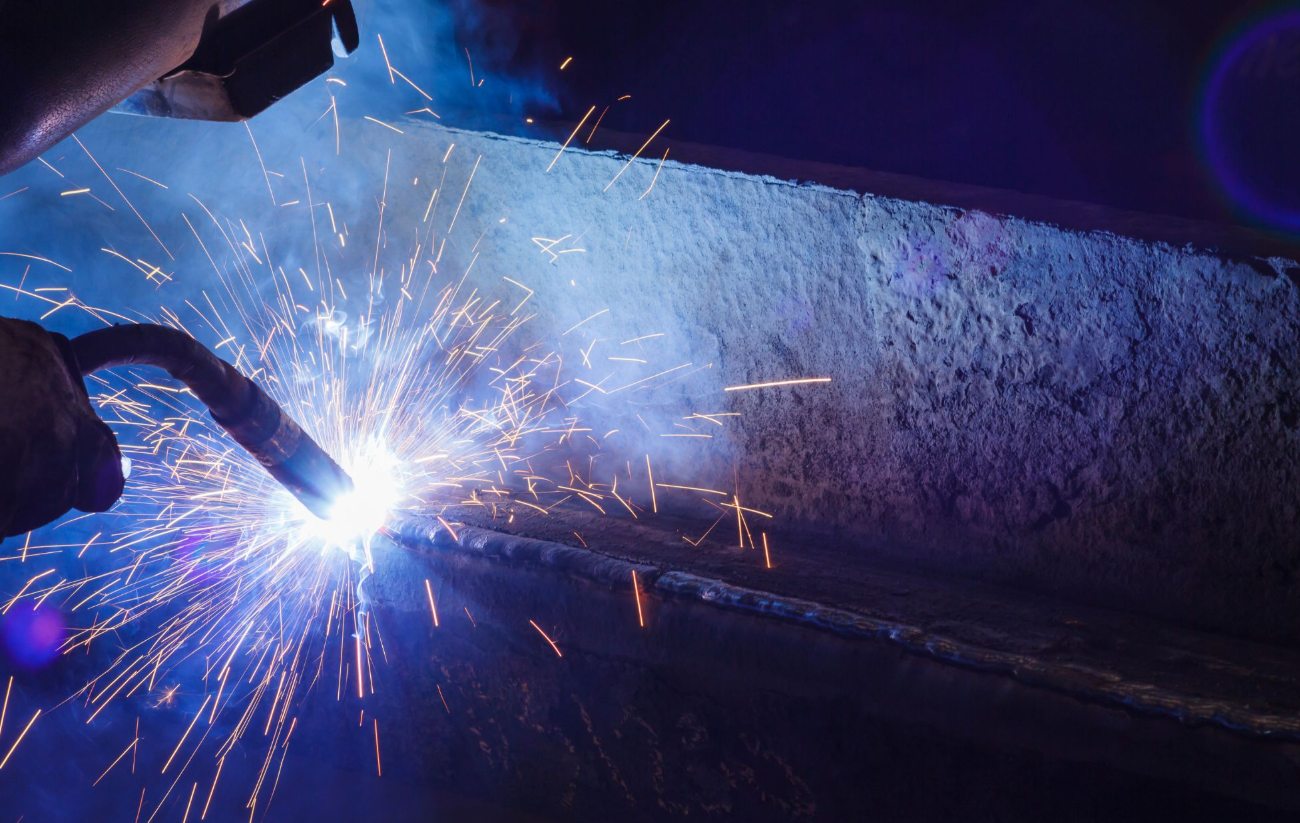
Introduction: Le noyau caché d'une soudure de qualité
En fabrication, une soudure qui semble parfaite au dessus cache souvent les problèmes ci-dessous. La résistance réelle et la durée de vie du joint dépendent de la pénétration - la profondeur de la fonte du métal de remplissage dans le matériau de base. La pénétration peu profonde affaiblit la soudure et risque de défaillance sous pression, même si la surface semble fine. Des méthodes coûteuses comme les tests à ultrasons ou les rayons X fournissent des données précises, mais les soudeurs en atelier utilisent des contrôles de base non destructifs pendant et juste après la soudure.
À Décapouernous sommes un fabricant leader spécialisé dans l'équipement de soudage numérique, y compris les soudeurs multifonctionnels, TIG, MIG et les coupes à plasma. Nous nous concentrons sur la construction de produits de performance supérieure et axés sur la solution pour répondre aux besoins cruciaux de l'industrie du soudage. Ce guide examine les signes visuels pratiques et les pratiques de mise en place pour évaluer la pénétration sans outils spéciaux.
Indices visuelles: lecture de la surface de soudure
Des soudeurs expérimentés jugent la pénétration en examinant la perle sur le côté avant.
Profil de perle de soudure et rapport largeur-profondeur
La forme de perle terminée révèle des indices sur la profondeur.
- Profil idéal: Une perle de soudure solide reste même avec une faible hauteur au-dessus de la plaque. Les perles hautes ou tendues signifient généralement un faible courant ou un voyage rapide, ce qui conduit à une fusion limitée.
- Plus large vs. plus profond: Comparez la largeur de la perle à la profondeur apparente. Les perles larges et plates résultent souvent d'une faible chaleur contre la vitesse de déplacement ou d'un long arc, répandant l'énergie à travers la surface plutôt que vers le bas.
Observation de la sous-coupe et du chevauchement
Les défauts communs soulignent les problèmes de chaleur et de pénétration.
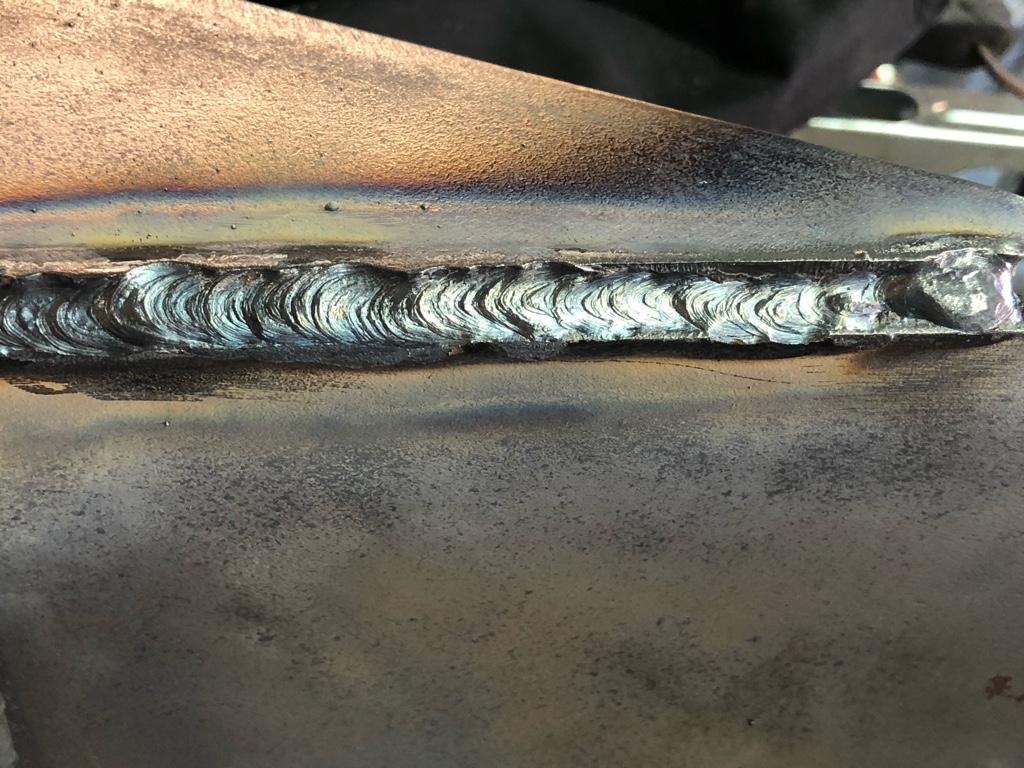
- chevauchement: le métal fondu coule sur l'orteil de soudure sans fondre la base. Ce défaut clair signale une faible chaleur due à un courant insuffisant ou à une vitesse rapide, provoquant un grand manque de pénétration.
- Sous-coupe: Une rainure se forme dans le métal de base à côté de l'orteil. Il provient généralement d'une chaleur élevée ou d'un mauvais angle. Une découpe légère avec une perle étroite peut montrer des efforts pour contrer le déplacement rapide en augmentant la chaleur de surface, laissant la racine froide.
Identifier la taille et la forme du cratère
Le cratère marque l'extrémité de soudure.
- Profondeur du cratère : brisez soudainement l'arc. Un cratère profond avec du métal lumineux visible à la base suggère une chaleur suffisante atteinte à travers toute l'épaisseur.
- Cratère fissures (tuyauterie de cratère): fissures résultant de la tension de refroidissement. Les cratères peu profonds ou refroidis rapidement sont souvent liés à une fusion faible ou à une pénétration faible dans l'ensemble.
Indicateurs physiques: évaluer le côté inférieur
De nombreux joints permettent un accès arrière, offrant une preuve directe de pénétration.
L’importance du renforcement des racines
La perle arrière montre quand le métal de soudure pousse légèrement.
- Confirmation complète de la fusion: Une perle solide et uniforme sur la racine confirme la pénétration complète. Les lacunes indiquent l'échec à atteindre.
- Renforcement excessif: perle arrière légère est bon. Une accumulation lourde signifie un courant élevé ou un déplacement lent, un gaspillage de matériaux et un risque de trous.
Observer l'apparence de perle arrière
Les traits de la perle arrière reflètent la gestion thermique.
- Uniformité : la largeur et la hauteur constantes indiquent un courant et une vitesse constants, donnant une pénétration uniforme.
- Couleur et oxydation: Sur l'inoxydable, les couleurs foncées sur le dos pointent à la couverture gazeuse faible. Cela est lié à des erreurs de configuration qui réduisent la pénétration.
Indicateurs de procédure: préparer la scène du succès
La pénétration dépend des paramètres corrects avant de commencer. Machines à décapage aide à des ajustements précis.
Le rôle de l'ampérage et de la tension
Le courant entraîne la profondeur - les valeurs plus élevées poussent plus profondément. La tension forme la largeur et le débit.
- Calibration de l'entrée de chaleur: Pour le stock épais, augmentez le courant et maintenez une vitesse constante pour une fonte plus profonde. Le faible courant provoque des liens de surface seulement.
- Contrôle synergique: De nombreuses machines modernes Decapower GMAW (MIG), telles que l'ULTRAMIG-230 EXPERT, disposent d'un contrôle synergique et d'impulsion. La commande synergique relie automatiquement l'alimentation du fil et la tension au courant, facilitant la configuration pour une pénétration fiable.
Vitesse de voyage et angle d'électrode
Temps de séjour thermique de contrôle de vitesse et d'angle. La vitesse rapide laisse des piscines peu profondes. La vitesse lente crée un excès ou brûle. Un angle de 10 à 15 degrés dirige la force vers la racine.
Technologie Decapower pour une pénétration cohérente
Le courant constant est la clé pour une pénétration répétable. Les unités numériques Decapower fournissent cela.
FUSION PMCT-205 : polyvalence et sélection des procédés
Les unités multiprocessus répondent à des besoins divers.
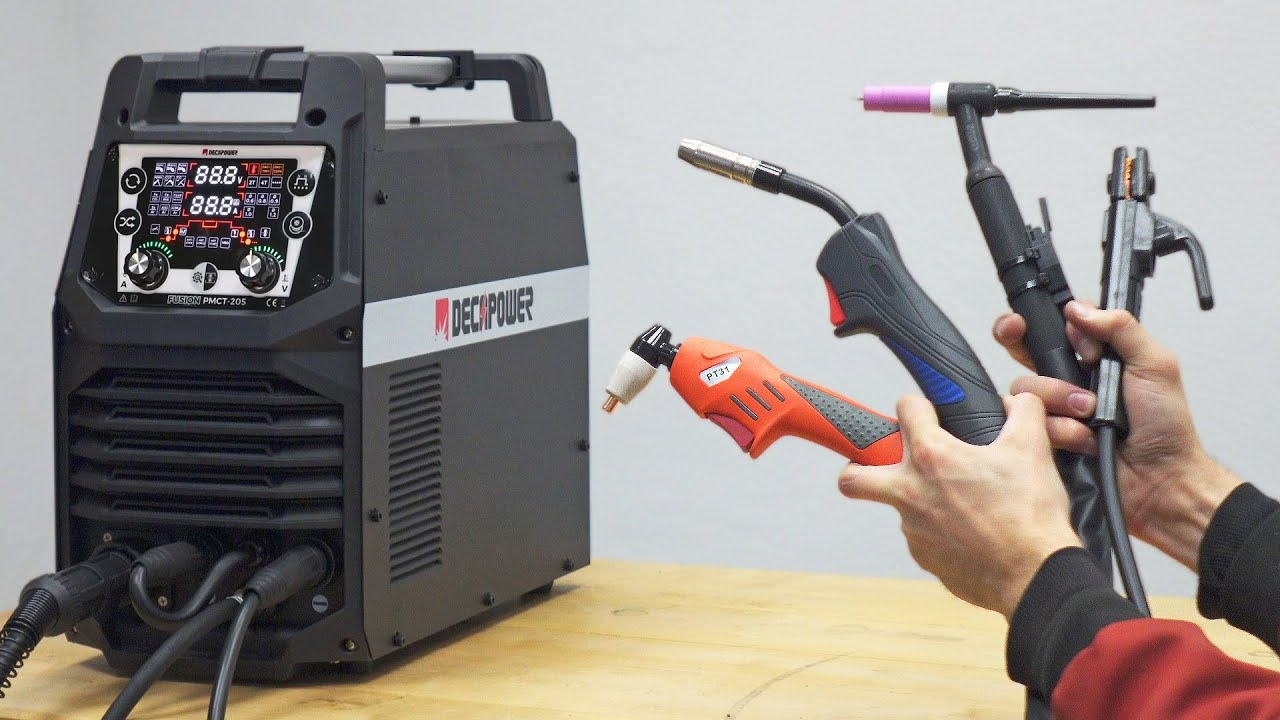
Produit : Fusion PMCT-205 Multi-processus 6-en-1 soudeur & Coupe.
Caractéristiques et avantages du produit: Le PMCT-205 est un soudeur et un coupeur multi-processus six en un, intégrant MIG (SYN / MAN / PULSE), MMA (Stick), HF TIG et HF CUT. Cette polyvalence permet au soudeur de choisir le procédé le plus adapté à la profondeur de pénétration requise, par exemple, le passage à MMA (SMAW) ou TIG (GTAW) pour des passes de racine spécialisées, en fonction de l'épaisseur du matériau et de la géométrie des joints. Cette conception polyvalente et portable offre des résultats professionnels dans tous les emplois.
ULTRAMIG-230 EXPERT : Contrôle numérique avancé pour GMAW
Le contrôle numérique excelle sur les métaux sujets à la distorsion.
Produit : ULTRAMIG-230 EXPERT double impulsion MIG machine de soudage en aluminium.
Caractéristiques et avantages du produit: Cette machine utilise un circuit à pont complet et un circuit de commande numérique pur pour réaliser un soudage précis, stable et efficace, ce qui la rend adaptée aux projets industriels légers. Il propose Pulse & Fonctions de double impulsion, qui cyclent rapidement le courant entre pics élevés et fond bas. Ce contrôle thermique sophistiqué fournit suffisamment de chaleur pour la fusion solide tout en maintenant la chaleur totale basse. Le résultat est une déformation réduite, peu d'éclaboussures et des soudures propres sur l'acier inoxydable et l'aluminium. Les modes Synergique et Manuel MIG conviennent à différents niveaux de compétence.
Assurer la qualité grâce à des solutions personnalisées
Chez Decapower, nous maintenons une philosophie centrée sur le client, en nous efforçant constamment d'améliorer nos produits et services. De nombreuses applications nécessitent des paramètres spécifiques pour une pénétration appropriée. Nos ingénieurs adaptent les machines en conséquence. Nous offrons des services OEM pour construire selon les spécifications de l'acheteur, des gammes personnalisées aux logiciels pour les joints lourds.
Conclusion
Les contrôles de base sont suffisants pour la plupart des évaluations de pénétration. Lisez les traits de perle, notez les défauts comme le chevauchement, visualisez la racine et ajustez correctement les paramètres. Ces étapes donnent des soudures fortes quotidiennement. Utilisez des machines fiables comme le Decapower ULTRAMIG-230 EXPERT ou le polyvalent FUSION PMCT-205 pour obtenir des résultats cohérents. Decapower soutient les fabricants avec des équipements et des options personnalisées.
FAQ (questions fréquentes)
Q: Quelle est la façon la plus rapide non destructive de confirmer la pénétration complète sur une articulation cullaire?
R: Vérifier l'arrière de la soudure (le passage de racine) pour un renforcement de racine uniforme et cohérent.
Q: Comment le circuit de commande numérique de l'ULTRAMIG-230 EXPERT aide-t-il à améliorer la pénétration?
R: Le circuit de commande numérique fournit une sortie de courant précise, stable et répétable, permettant au soudeur de régler de manière fiable l'entrée de chaleur exacte nécessaire pour une pénétration constante.
Q: Que fait “ chevauchement” dans une perle de soudure indiquent généralement sur la pénétration?
R: Le chevauchement indique une entrée thermique insuffisante (faible ampérage ou vitesse rapide), ce qui signifie que le métal fondu a solidifié avant de fusionner correctement avec le matériau de base, entraînant une pénétration faible.
Q: Decapower propose-t-il des solutions de soudage spécialisées si mon projet a des exigences de pénétration uniques?
A: Oui, Decapower offre des solutions personnalisées et des services OEM; nos ingénieurs peuvent adapter des produits et des fonctionnalités pour répondre aux besoins spécifiques de performance et d'application.