
 Iniciar sesión


Decapower Información curada para profesionales, aficionados y educadores.
Manténgase al día con la última información sobre la tecnología de nuevos productos, innovaciones y más de la industria de la máquina de soldadura.







Cómo combinar los ajustes de soldadura con el material y el grosor

La alineación crucial: por qué los ajustes importan
El alto costo del mal alineamiento en la soldadura
Cuando finalmente consigues un arco limpio y estable y pones lo que parece una perla perfecta, nada pica más que verlo romperse en el momento en que la pieza se enfría, o ver un agujero quemado limpio a través de la placa. Nueve veces de cada diez, el problema no es tu mano, son los números en las esferas. Obtenga el calor, la velocidad de viaje o el gas equivocado para el metal y su grosor, y usted está pidiendo problemas. Junturas débiles, salpicaduras pesadas, partes deformadas, relleno desperdiciado o fallas directas que pueden dañar a alguien en la línea, todos vienen del mismo lugar: configuraciones que no encajan con el trabajo. Combinar la máquina con el material y lo grueso que es no es un arte misterioso. Es física básica y un poco de conocimiento, y es la diferencia entre una soldadura en la que confías y una que tienes que molir y hacer de nuevo.
Decapower: Proporcionar soluciones para la precisión
En DecapowerConstruimos soldadores que sacan la conjetura de la ecuación. Hemos estado profundamente en el negocio de soldadura durante años, escuchando a los fabricantes, talleres de reparación y equipos de campo para que podamos hacer máquinas que realmente resuelvan los dolores de cabeza diarios. La seguridad nos importa tanto como el rendimiento, por lo que cada caja que enviamos está diseñada para ayudarlo a soldar más limpio, más rápido y sin riesgos innecesarios. Desde unidades multiproceso portátiles hasta máquinas MIG de aluminio dedicadas, el objetivo es simple: darle equipos que hagan que los ajustes correctos sean fáciles de encontrar y mantener.
Decodificación de procesos y parámetros de soldadura
Elige el proceso equivocado para el metal que tienes delante, y ninguna cantidad de torsión del botón salvará el día. El metal mismo y lo grueso que es te dicen casi todo lo que necesitas saber.
Tipo de material Dicta la selección del proceso
Acero (Carbono/suave): Acero suave perdona mucho. En el viento y la lluvia, verás a un montón de chicos correndo SMAW (Stick) porque no le importa el oxido o la pintura. Dentro de la tienda, GMAW (MIG) suele ser más rápido y deja menos limpieza. Cuando el trabajo tiene que verse bonito o pasar los rayos X, GTAW (TIG) es el go-to.
Acero inoxidable: Demasiado calor y el inoxidable pierde su resistencia a la corrosión rápidamente. La mayoría de las tiendas buscan GTAW (TIG) o una buena configuración MIG pulsada para que puedan mantener el calor bajo y todavía obtener la penetración completa sin azúcar en la soldadura (esa feo precipitación de carburo).
Aluminio: El aluminio absorbe calor más rápido que el acero y se funde a una temperatura mucho menor. La quemadura ocurre en un parpadeo de ojos si no tienes cuidado. AC TIG solía ser la única respuesta real, pero las modernas máquinas MIG de pulso y doble pulso han cambiado el juego. Decapower ofrece máquinas de soldadura MIG de aluminio construidas exactamente para esto: las series MIG PULSE, XTRAMIG y SYNMIG manejan aluminio sin drama.

Espesor impulsa Amperaje Requisitos
Una regla práctica que todavía funciona en sitios de trabajo en todo el mundo: planea alrededor de 1 amperio por cada milésima parte de una pulgada de grosor. Una placa de 1/8 pulgadas (0.125″) típicamente quiere alrededor de 125 amperios, dar o tomar, dependiendo del tipo de junta y posición. Demasiada corriente y la soldadura se sienta en la parte superior como una junta de soldadura fría. Demasiado y estás mirando un agujero o una pila de metal goteando. Esa regla te lleva al estadio; experiencia y algunos cupones de prueba te consiguen en el plato de casa.
Más allá de los amplificadores: Voltaje, velocidad y gas de blindaje
Amperaje te da penetración. El resto da forma a la perla y la mantiene limpia.
Voltaje (principalmente MIG): gire hacia arriba, y el arco se estira, la perla se hace más ancha y plana. Deja caer, y las perlas se apilan más alto y más estrecho.
Velocidad de alimentación de alambre (WFS): En la mayoría de las máquinas MIG modernas, empuje la alimentación de alambre y la fuente de alimentación eleva automáticamente los amplificadores para fundirlo.
Gas de protección: El acero generalmente funciona bien con argón/CO2 75/25 o CO2 recto si no te importa un poco de salpicadura extra. Al inoxidable le gusta la mezcla tri (helio/argón/CO2). El aluminio necesita argón puro en TIG o una mezcla rica en helio en MIG para una penetración más profunda.
Espectro de productos Decapower: Tecnología a medida
Flexibilidad integral para múltiples procesos (FUSION Multi Process)
Las tiendas que ven acero un día y aluminio el siguiente odian arrastrar tres máquinas al trabajo. Una caja que hace todo limpiamente es un cambio de juego.
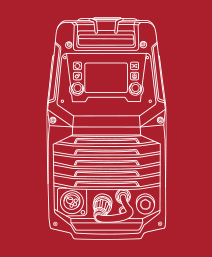
Producto representativo: FUSIÓN PMCT-205
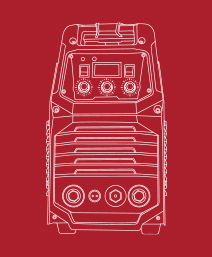
Esta unidad 6 en 1 maneja MIG (Sinérgico, Manual y Pulso), MMA, HF TIG y corte por plasma, todo en una caja que puede llevar con una mano. Cambie de cortar la placa oxidada a colocar un paso de raíz en inoxidable a acabar con TIG, todo sin cambiar máquinas o incluso mover la abrazadera de tierra la mayor parte del tiempo.
GMAW avanzado (MIG) para alta eficiencia
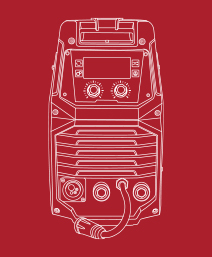
Producto representativo: ULTRAMIG-230 EXPERT Máquina de soldadura de aluminio MIG de doble pulso
Inverter de puente completo, control digital puro, construido desde cero para trabajos industriales ligeros. La característica de doble pulso alterna picos de corriente altos y bajos para que obtenga ese aspecto apilado en aluminio e inoxidable con mucho menos calor que la transferencia de pulverización regular. La salpicadura cae a casi nada, y la soldadura se mantiene lo suficientemente fría como para que las láminas delgadas no se deformen.
GTAW de alta precisión (TIG) para juntas críticas
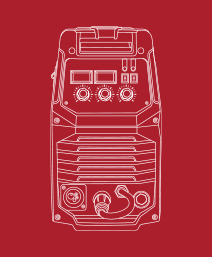
Producto representativo: PULSE TIG 200 AMP TIG Máquina de soldadura del inversor
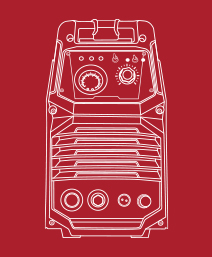
TIG CC con pulso ajustable, arranque de alta frecuencia o arco de elevación. En inoxidable o titanio delgado, gire la frecuencia de pulso y baje la corriente de fondo; el arco baila lo suficiente para mantener el líquido del charco sin sobrecalentar la parte. Camine la taza en un paso de raíz, y la perla se mantiene pequeña y uniforme.

Robusto SMAW (Stick/MMA) para la versatilidad
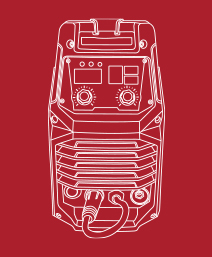
Producto representativo: Máquina de soldadura del inversor EASYARC 220 AMP MMA
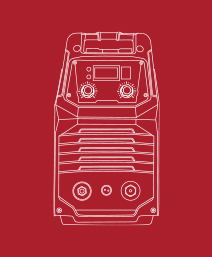
Inverter IGBT, circuito frontal, controlado por MCU. El arranque caliente le da esa patada extra cuando golpea, la fuerza de arco evita que la varilla se pegue cuando se sumerge demasiado profundamente, y el antiadherente corta la energía en el instante en que la varilla se congela para que pueda romperla sin tirar la mitad del recubrimiento.
Ajuste de precisión y borde personalizado de Decapower
Aprovechando el control digital y sinérgico
Las máquinas MIG Decapower más nuevas le permiten perforar el diámetro del alambre, el material (acero, inoxidable, aluminio) y el grosor. La máquina fija el voltaje y la velocidad del cable por sí misma y generalmente lo clava en el primer paso. Aún así, ajustas desde allí, pero estás empezando desde el 95% en lugar de cero.
Asociación con ingenieros específicos de la aplicación
No solo aceptamos órdenes. Nuestros ingenieros se sientan con usted, miran las piezas que está construyendo y descubren la mejor manera de obtener soldaduras perfectas cada vez. A veces eso significa ajustar los parámetros de pulso, a veces es un diseño completamente nuevo del panel frontal. Lo que sea necesario.
Conclusión: Soldadura hecha bien
Obtener los ajustes correctos para el metal y su grosor es lo que separa a un soldador real de alguien que simplemente quema la varilla. Comprende las reglas básicas, use equipos que hagan que esas reglas sean fáciles de seguir, y colocará cuentas fuertes y limpias día tras día. Decapower construye las herramientas: unidades FUSION multiproceso, máquinas ULTRAMIG de doble pulso, soldadoras de bastón EASYARC sólidas en roca y todo lo demás, para que pase su tiempo soldando en lugar de luchar contra la máquina. Cuando la gama estándar no es perfecta, construiremos exactamente lo que necesita. Las soldaduras fiables comienzan con un engranaje fiable. Eso es lo que entregamos.
Preguntas frecuentes
P: ¿Cómo selecciono la máquina de soldadura adecuada para mi material específico y grosor?
R: Cuéntanos qué suelda más, qué grueso tiene, dónde trabaja y su presupuesto. Te indicaremos el modelo exacto (o construir uno) que se ajuste.
P: ¿Cuál es la principal ventaja de Pulse MIG para la coincidencia de materiales?
R: El pulso (y especialmente el doble pulso en el ULTRAMIG-230 EXPERT) le permite mantener el calor bajo mientras obtiene una buena penetración, perfecta para aluminio fino o inoxidable que se deforma fácilmente.
P: ¿Decapower ofrece soluciones de soldadura personalizadas?
R: Sí. Servicio completo OEM y ODM. Nuestros ingenieros diseñan y construyen máquinas según sus requisitos exactos, incluso para pedidos pequeños.
P: ¿Qué tecnologías avanzadas garantizan una soldadura suave incluso en superficies desafiantes?
R: En nuestras máquinas de bastón EASYARC, obtiene arranque caliente, fuerza de arco y antiadherencia. Hacen soldadura de material sucio, oxidado o pintado como si fuera una escala de molino limpia.