
 Iniciar sesión







Decapower Información curada para profesionales, aficionados y educadores.
Manténgase al día con la última información sobre la tecnología de nuevos productos, innovaciones y más de la industria de la máquina de soldadura.







Principiante’ Guía de control de arco TIG para soldadura de precisión
Introducción: La puerta de entrada a la maestría TIG
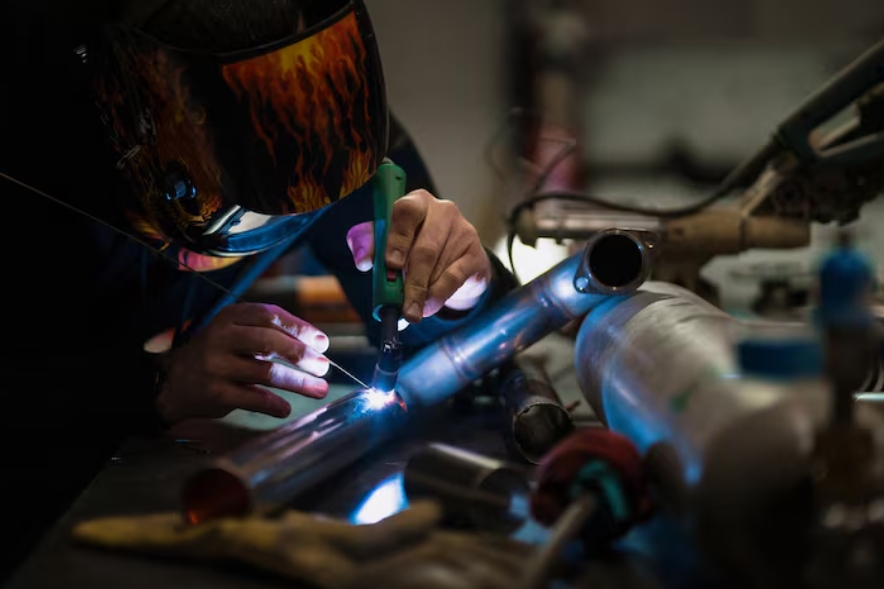
Entra en el campo de la soldadura por arco de tungsteno de gas, mejor conocido como TIG. Muchos soldadores ven TIG como la mejor opción en la unión de metales porque crea soldaduras limpias, precisas y fuertes, especialmente en metales complicados y chapas delgadas. Sin embargo, el proceso tiene una curva de aprendizaje aguda. Desde el principio, los nuevos soldadores se enfrentan a dos grandes problemas: obtener un encendido de arco limpio y mantener el arco estable.
En Decapower, nos concentramos en hacer equipos sólidos y prácticos que resuelven problemas reales en el comercio de soldadura. Esta guía tiene como objetivo convertir esas frustraciones tempranas en habilidades sólidas, utilizando métodos probados y las máquinas confiables que producimos.
El primer paso crítico: lograr un inicio limpio de TIG
Un arranque limpio ocurre cuando el arco comienza sin tocar o ensuciar el tungsteno o el metal base. Este momento establece el tono para toda la perla de soldadura.
La preparación es fundamental: selección y molienda de tungsteno
El electrodo de tungsteno lleva el arco, por lo que su forma y condición importan mucho.
- Elegir la aleación de tungsteno adecuada
Elija el tungsteno en función del tipo actual: CA para aluminio, CC para acero o inoxidable. Para el trabajo de CC, muchos soldadores prefieren los tipos lantanados o toriados. En trabajos de aluminio AC, tungsteno puro o mezclas especiales desempeñan mejor.
- Rectificación axial para arcos enfocados
Mole la punta cuidadosamente a lo largo de su longitud para que las marcas de arañazos bajen directamente por el punto. Una punta afilada y longitudinal mantiene el calor enfocado y el arco tranquilo.
Dominar los métodos de ignición
Hoy’ Las máquinas TIG Decapower vienen con características incorporadas que hacen que el arranque sea más fácil y limpio.
- Inicio de arco de alta frecuencia (HF): el método más limpio
El arranque HF envía una chispa rápida y de alto voltaje a través de la brecha para encender el arco sin ningún contacto. Todas nuestras unidades multiproceso, incluyendo la FUSION PMCT-205, incluyen TIG HF que comienza por exactamente esta razón.
- Inicio del arco de elevación: precisión sin HF
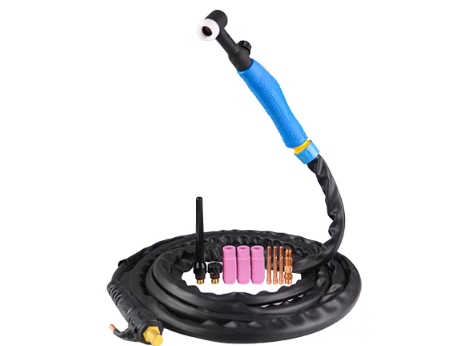
Muchas máquinas TIG compactas de CC se basan en Lift Arc. El soldador toca ligeramente el tungsteno al metal, y luego se retira de inmediato. La máquina detecta el tacto y inicia un arco suave de baja corriente antes de elevar a la potencia de soldadura completa. El Decapower WP-17V TIG antorcha funciona perfectamente con configuraciones TIG LIFT DC.
Cobertura de gas: Asegurar la pureza desde la salida
El argón protege el metal caliente y el tungsteno del aire. Establezca un corto tiempo de pre-flujo para que el gas llene la taza y empuje el oxígeno antes de que el arco golpee. Después de detener la soldadura, el flujo posterior debe funcionar lo suficiente para enfriar el tungsteno y proteger el charco de enfriamiento. El corto flujo posterior a menudo deja un aspecto gris y azucarado en la perla y daña la punta del electrodo.
Control del arco: el arte de mantener la piscina de fusión
Con un arco constante, TIG se convierte en un cuidadoso equilibrio de calor, velocidad y movimiento de varilla de carga. Un buen control de arco es lo que convierte una soldadura adecuada en una fuerte y atractiva.
Consistencia en longitud y ángulo del arco
La brecha entre la punta de tungsteno y el charco controla la tensión, la propagación del calor y la densidad de potencia.
Longitud de arco ideal: Manténgalo cerca, aproximadamente el mismo que el diámetro de tungsteno o un toque más corto.
El impacto del cambio: un arco más largo difunde el calor a lo largo, hace una perla plana y debilita la protección contra el gas. Mantenga la antorcha a 70-75 grados para que la taza de gas cubra completamente el charco y evite los bordes recortados.
Control de amperaje: lectura y gestión de la entrada de calor
La corriente establece el nivel de calor en TIG. Demasiado alto y quema agujeros o deforma el metal; demasiado bajo y la articulación no se fusiona adecuadamente.
Las máquinas decapadoras con control de MCU proporcionan corriente constante y exacta. Los pedales de pie o los interruptores de antorcha le permiten ajustarse a la vuelta. Los soldadores experimentados observan constantemente el charco. Un pequeño charco perezoso necesita más amplificadores. Un gran charco brillante que comienza a caer significa volver rápidamente.
Pulse TIG agrega otra capa de control. La corriente conmuta rápidamente entre la potencia máxima para la penetración y el fondo bajo para el enfriamiento. Esta característica incorporada corta el calor general, limita la distorsión y da una perla más agradable, especialmente en material delgado.
El ritmo de la adición de metal de relleno
La carga TIG se añade a mano, a diferencia de la alimentación automática en MIG.
Mantener el blindaje: Nunca tire de la barra de la cubierta de gas, o el extremo se vuelve negro y contamina la soldadura cuando se sumerge.
Técnica de inmersión: Alimenta la barra en el borde delantero del charco con movimientos rápidos y uniformes. Mantenga el arco en el metal base, no en la varilla. La inmersión constante establece la anchura de la perla y la altura de la pila.
Soluciones de Decapower para el Control de Precisión
Decapower construye una variedad de máquinas de soldadura y corte que ayudan a los soldadores de pasatiempos y tiendas a obtener un mejor control.
Versatilidad multiproceso: FUSION PMCT-205
Cuando necesita una máquina para muchos trabajos, la línea FUSION le ofrece.
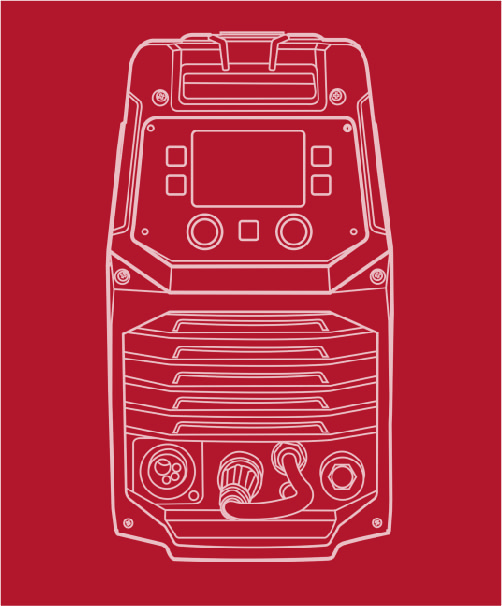
Producto: Fusion PMCT-205 Soldadora multiproceso 6 en 1 cortador.
Características y ventajas del producto: Esta unidad combina MIG (SYN/MAN/PULSE), MMA (SMAW), HF TIG (GTAW) y HF CUT (Plasma Cut) en un paquete portátil. Trae resultados profesionales a tiendas o sitios de trabajo. El arranque TIG HF incorporado elimina la parte más difícil del TIG: el encendido sin contacto.
Excelencia GTAW especializada: PULSE TIG 200 AMP
Una máquina TIG dedicada ofrece los mejores ajustes para un trabajo detallado.
Producto: PULSE TIG 200 AMP TIG Máquina de soldadura del inversor.
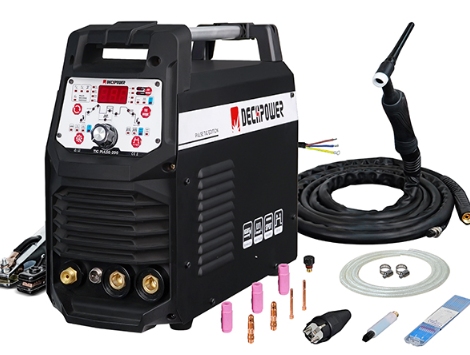
Características y ventajas del producto: El PULSETIG-200 es un inversor de puente completo con control de microprocesador. Ofrece arranque PULSE, HF o LIFT más capacidad MMA. La función de pulso se destaca por reducir la acumulación de calor y la distorsión, perfecta para materiales inoxidables o delgados.
Asociación para la excelencia personalizada
Decapower pone a los clientes en primer lugar y trabaja duro para ser una empresa fácil de tratar. Pensamos desde el usuario’ punto de vista al desarrollar nuevas ideas.
Adaptar la tecnología a sus necesidades
Ningún modelo único se adapta a cada sitio de trabajo o tienda. Ofrecemos máquinas construidas a sus necesidades exactas.
Nuestro compromiso de servicio personalizado
Nuestros ingenieros y equipo de desarrollo están listos para ajustar las características para obtener los mejores resultados y precio. Decapower proporciona servicios completos de OEM y distribución, productos de construcción a sus dibujos y requisitos, desde la selección de piezas y el embalaje hasta el envío final.
Conclusión: La práctica hace que la precisión
El arranque limpio de TIG y el control constante del arco provienen de una práctica constante y buenas herramientas. Preste mucha atención a la preparación del tungsteno, elija el método de inicio correcto (HF en el FUSION PMCT-205 o LIFT en el PULSE TIG 200 AMP) y mantenga atento al espacio de arco y al calor. Pronto, sus soldaduras se verán y funcionarán a un nivel más alto. Decapower se mantiene comprometida con el suministro de máquinas fiables y ayuda a medida para que pueda producir las soldaduras fuertes y hermosas que cuentan.
Preguntas frecuentes
P: ¿Cuál es la función principal de la característica Pulse en la soldadura TIG / MIG?
R: La función de pulso cicla la corriente entre un pico alto y un fondo bajo, lo que permite un mayor control sobre la entrada de calor, minimizando la distorsión y mejorando el perfil de la perla de soldadura.
P: ¿Qué es HF (Alta Frecuencia) Arc Start diseñado para prevenir?
R: HF Start está diseñado para establecer el arco sin tocar el metal, evitando así que el electrodo de tungsteno contamina la piscina de soldadura o se pegue a la pieza de trabajo.
P: ¿Decapower ofrece máquinas que combinan capacidades de soldadura y corte?
R: Sí, Decapower ofrece máquinas multiproceso FUSION, como la PMCT-205, que integra múltiples procesos, incluyendo soldadura (MIG, MMA, TIG) y corte por plasma (HF CUT).
P: ¿Puede Decapower ajustar las características del equipo en función de los requisitos del cliente?
R: Absolutamente, Decapower ofrece soluciones personalizadas (servicios OEM / ODM), donde nuestro R & amp; El equipo de D y los ingenieros adaptan los productos en función de las especificaciones específicas del comprador para obtener un valor óptimo.